
Transport Minister studies minimum tariffs for land logistics to improve safety
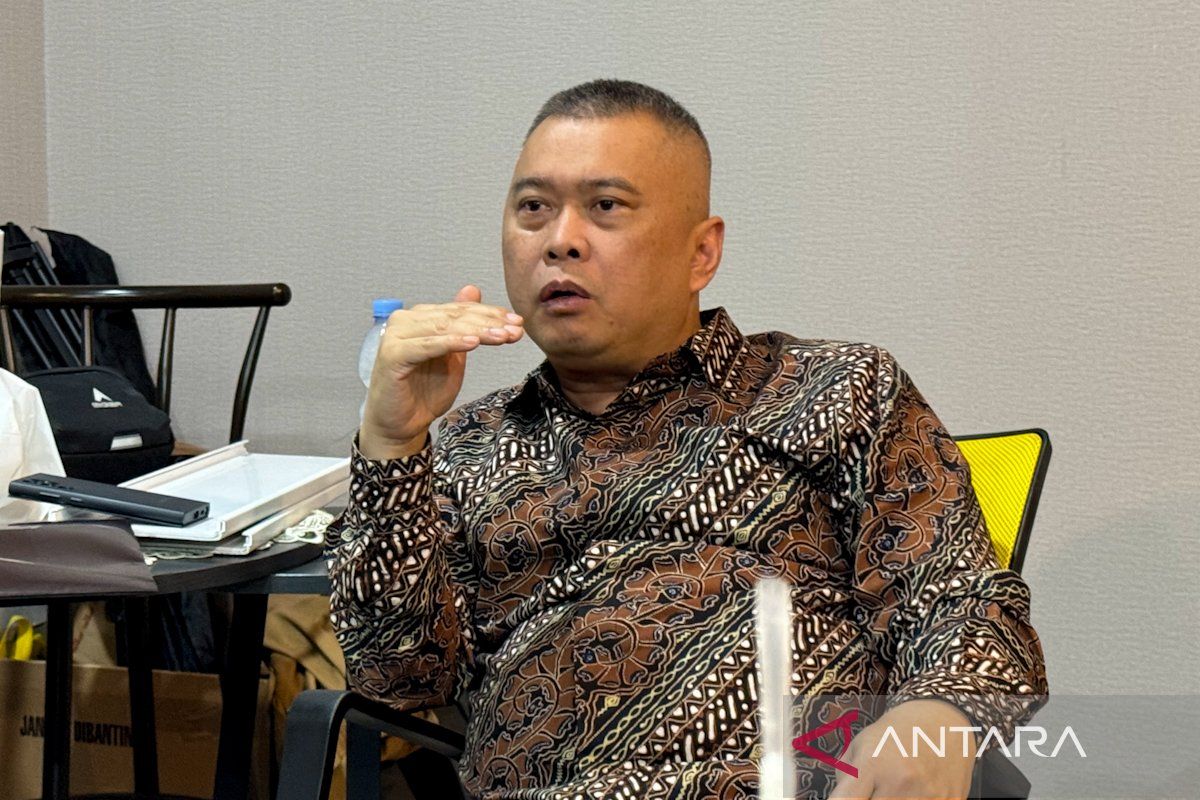
Jakarta (ANTARA) – Transport Minister Dudy Purwagandhi said the government was studying minimum tariffs for land-based logistics services to support the sustainable operation of logistics companies and prevent price wars that could compromise safety.
Dudy said safety was the principal consideration in setting a minimum tariff, as the rules would ensure companies could afford vehicle operating costs.
“Safety considerations are the basis for our decision to set or implement a minimum tariff for land transport. The approach is centred on safety,” the minister told journalists in Jakarta on Friday.
He said the proposed minimum tariff was intended to stop freight companies from cutting service prices so drastically that they neglected vehicle maintenance, including replacing essential components such as tyres.
He said unchecked price competition could encourage risky transport practices, as companies sought to reduce operating costs without taking safety standards into account when distributing goods across Indonesia.
The tariff would be calculated to cover various operating needs, including vehicle maintenance, insurance, staffing and other expenses, so that freight businesses could operate sustainably while meeting safety requirements.
According to Dudy, the minimum tariff was not intended to regulate excessive profits, but to establish a floor so that businesses would not sacrifice safety in order to offer cheap freight rates in different parts of Indonesia.
Dudy illustrated competition in land logistics with the example of a goods owner seeking a carrier to transport one million tonnes of cargo.
Without a minimum tariff, companies could keep undercutting one another. For example, a goods owner might offer a logistics operator Rp1 million to carry 20 tonnes, only for a second company to offer the service for Rp500,000.
“Overloading and over-dimensioning (ODOL) happen because there is no regulation on the price per kilogramme, per kilometre and so on. There is a lot of cargo, and land transport is somewhat complicated,” he said.
The minister said the government would also consult other sectors through focus group discussions before formulating a minimum tariff policy for land freight, which would then be decided by the government.
A minimum tariff could ensure that freight companies could not cite financial constraints as a reason for failing to meet their vehicle safety obligations, helping create a healthy and sustainable business environment.
Dudy said the proposal still required a study by the Transport Ministry’s Transport Policy Agency (BKT), as well as discussions with relevant ministries and agencies.
“The BKT is studying it. Then we will talk with other sectors. We also need to hold focus group discussions,” he said.
In addition to land transport, Dudy is preparing minimum tariffs for ferry and shipping services to safeguard safety in the maritime transport sector.
He said oversight of maritime transport tariffs was considered relatively easier because services had journey-recording systems and clearer ticketing mechanisms than land transport in the national logistics system.