
Transmigration Ministry: The programme is now about developing economic areas
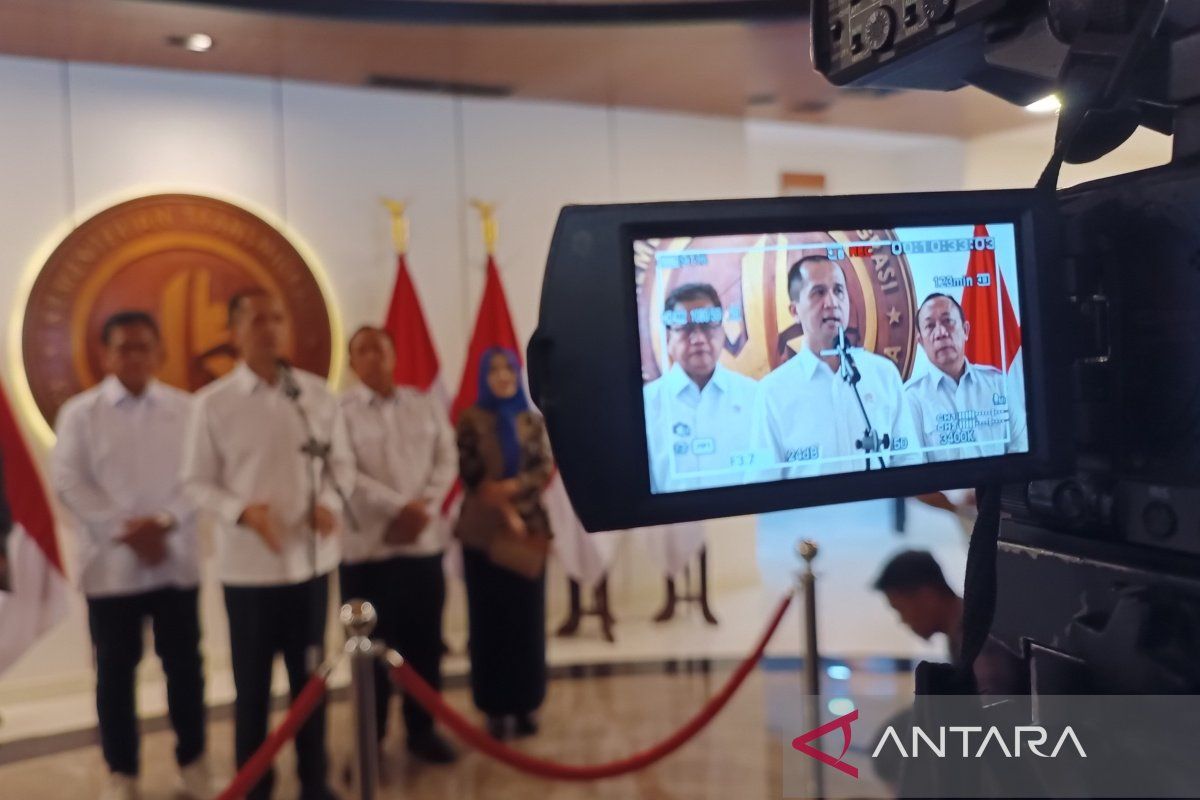
Jakarta (ANTARA) – Transmigration Minister M. Iftitah Sulaiman Suryanagara said that, following the enactment of Law No. 29 of 2009 on Transmigration, the programme had undergone a paradigm shift from simply relocating people to developing economic areas.
“Transmigration is no longer like it used to be, when people were simply moved to a settlement that would later grow into a village. Instead, these new villages are being developed into an economic area,” Iftitah said in Jakarta on Thursday.
He said the shift was also intended to minimise social conflict, as relocation alone could give the impression that only newcomers received incentives. Meanwhile, people who had long lived in transmigration areas might receive nothing, he said.
“That is why the paradigm shift has led us to focus on developing economic areas,” he said.
The minister added that his ministry had spent the past two years mapping the areas. The exercise identified around 619 transmigration clusters across Indonesia, comprising thousands of settlements.
Of the 619 clusters, the Ministry of Transmigration and the National Development Planning Agency (Bappenas) are focusing on 154 transmigration areas, 45 of which are national priorities.
“The reason is that, since the enactment of Law No. 29 of 2009, transmigration has undergone a paradigm shift from simply relocating people to developing economic areas,” he said.
He said the most important task now was to revitalise transmigration areas without leaving behind the people who had settled there earlier.
He cited issuing land ownership certificates to residents who had not yet received them as one example of revitalisation. The ministry is also providing support for basic infrastructure, including road repairs, bridges, school renovations, the construction of more than 400 toilet units and other infrastructure facilities.