
Transmigration Ministry Regularises Rp2.679 Trillion in State Assets in Transmigration Areas
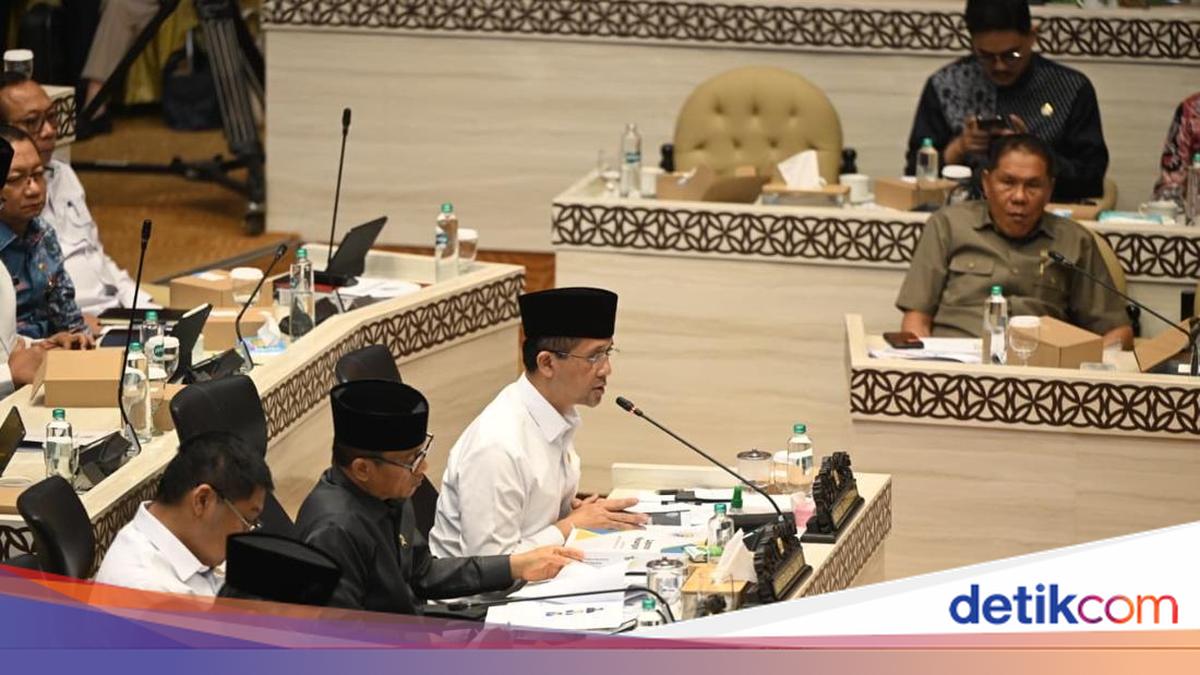
The Ministry of Transmigration (Kementrans) is regularising state assets worth Rp2.679 trillion in transmigration areas. The move is intended to ensure that land, buildings, roads, bridges, irrigation systems, and various other facilities have clear legal status.
The regularisation also aims to ensure that state assets in transmigration areas can be optimally utilised by the public.
Asset management is an important part of Kementrans’ consolidation as a ministry that has been re-established as a standalone institution. In addition to ensuring orderly record-keeping, resolving asset status is necessary so that facilities that have been built can be handed over, managed, and maintained in accordance with regulations.
“What we are regularising is not merely figures on a balance sheet. Within them are roads, irrigation, public facilities, and land that must provide tangible benefits to the community,” said Minister of Transmigration M. Iftitah Sulaiman Suryanagara in a statement on Thursday (20/8/2026).
He made the remarks during a working meeting with House of Representatives Commission V discussing the Central Government Financial Report for the 2025 State Budget in Senayan, Jakarta, on Thursday (20/8).
Based on Kementrans’ financial report as of 31 December 2025, total assets were recorded at Rp2.679 trillion. This figure comprises current assets of Rp840.08 billion, fixed assets of Rp925.62 billion, and other assets of Rp913.32 billion.
For current assets, the largest proportion consists of inventories of land, buildings, equipment and machinery, as well as roads and bridges that are in the process of being handed over to fulfil transmigrant rights and improve the quality of public facilities in transmigration areas.
“We want all state assets to have clear status and be properly recorded. More importantly, these assets must be usable. Facilities should not have been built but their benefits remain suboptimal because administrative issues have not been resolved,” said Iftitah.
Of the total fixed assets of Rp925.62 billion, around 79 percent consist of roads, irrigation, and networks resulting from previous institutional arrangements located in transmigration areas, where the grant process to local governments has not yet been fully completed.
Completing this process is important to clarify asset management and maintenance so that the infrastructure that has been built can continue to be utilised by the community.
“This is transitional work that we must complete. We want the assets to be clear, the management to be clear, and most importantly, the benefits should not stop simply because the administration has not been finalised,” said Iftitah.
Kementrans also recorded other assets of Rp913.32 billion. This figure derives partly from the recording of certified Transmigration Management Rights (HPL) based on an inventory and valuation process.
The arrangement of HPL is part of the ministry’s efforts to provide certainty over managed assets while ensuring their utilisation can support the development of transmigration areas.
As a follow-up to recommendations from the Supreme Audit Agency (BPK), Kementrans will continue the inventory of fixed assets presented in the ministry’s opening balance sheet. The ministry is also preparing a roadmap for completing the inventory and valuation of all transmigration HPL.
“We want the asset work that is part of this institutional transition to be regularised and completed. Good governance is not the end goal. The end goal is for state assets to truly work and for their benefits to reach the community,” Iftitah stressed.
2025 was the first year Kementrans carried out its duties as a standalone ministry. In addition to implementing various development programmes, the ministry carried out organisational consolidation, asset management, and governance strengthening.
In the same year, Kementrans received an unqualified opinion (WTP) from BPK on its 2025 financial report.
According to Iftitah, this achievement is not the end of the work. Asset management and follow-up on BPK recommendations must continue so that administrative order is accompanied by increasingly tangible benefits on the ground.
“The measure of success is not only that assets are recorded in an orderly manner. The measure is whether roads can be used, irrigation improves productivity, public facilities are maintained, and the community benefits. That is what we want to ensure,” Iftitah concluded.