
Transmigration Areas to be Transformed into New Economic Growth Centres, Says Minister
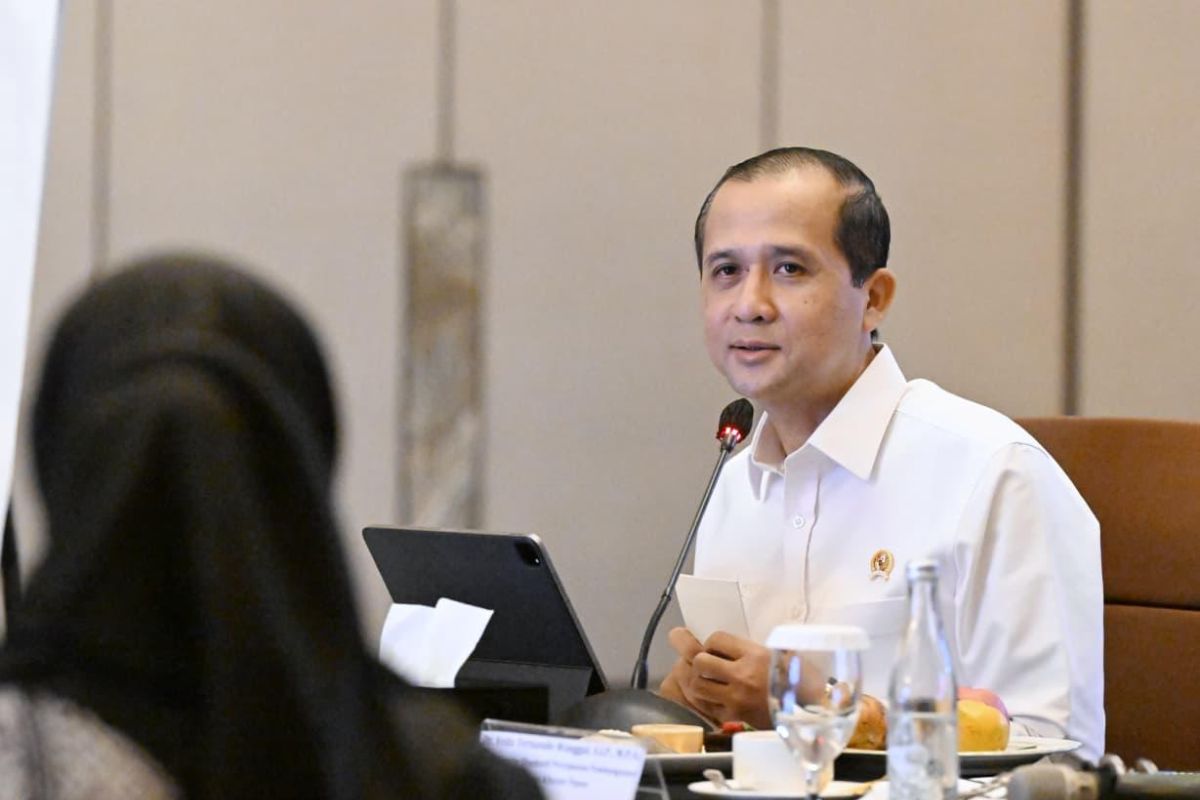
The era of viewing transmigration solely as agricultural areas is over, according to Transmigration Minister Muhammad Iftitah Sulaiman Suryanagara, who stated the government is preparing to transform these zones into new economic growth centres based on investment, industry, downstream processing, food, and energy. He noted that each transmigration area possesses comparative advantages and strategic potential that can be harnessed to drive economic growth according to the characteristics of each region. “The era when transmigration was only seen as an agricultural area has ended. Agriculture remains an important foundation, but today’s transmigration areas must also become home to investment, industry, and new centres of economic growth for Indonesia,” Iftitah said in an official statement on Tuesday. He cited the transmigration area in Samboja, Kutai Kartanegara Regency, which has oil and gas potential, while areas in South Kalimantan, Aceh Besar, and Aceh Barat have coal reserves. The Mamuju transmigration area in West Sulawesi, he added, holds rare earth element potential, a critical raw material for modern technology industries. The minister explained that the transformation aligns with President Prabowo Subianto’s directive to build new economic growth centres through industrialisation, downstream processing, and quality job creation across regions. The Ministry of Transmigration has designated the revitalisation of 45 priority transmigration areas as a key programme in the 2025–2029 National Medium-Term Development Plan (RPJMN), alongside integrated area development and digitalisation of area data. Iftitah stressed that success is no longer measured by the number of people relocated, but by the ability of transmigration areas to create inclusive economic growth, attract investment, and improve community welfare. “We are no longer just talking about agriculture. There are plantation sectors, processing industries, tourism, oil and gas, coal, rare earth elements, and various other strategic economic potentials that must be developed according to each region’s strengths,” he said. One example of this transformation is underway in the Barelang area of Riau Islands, where the ministry is collaborating with the Batam City Government and the Batam Concession Agency (BP Batam) to create a conducive investment climate for a new industrial centre. “Investors do not need many promises. What they need is an ecosystem that provides certainty. When that ecosystem is built, investment will come, industry will grow, jobs will be created, and the community will be the ones who benefit the most,” he said. In 2026, the ministry targets issuing 11,288 land ownership certificates for transmigrants across 61 locations to resolve land issues and strengthen legal certainty to support investment. The ministry also aims to inventory Land Management Rights (HPL) in 50 transmigration areas covering approximately 217,000 hectares. Iftitah emphasised that the success of transmigration is no longer measured by how many people are moved to an area, but by the area’s ability to create inclusive economic growth, attract investment, and improve community welfare. “We are not just building industrial zones, but an ecosystem that brings together investment, businesses, and local communities in mutually reinforcing growth. The success of transmigration must be measured by the improvement in community welfare, not merely by the increase in the number of people who have moved,” he concluded.