
Translocated elephants Deo and Sinta in excellent condition at Tabang Zoo
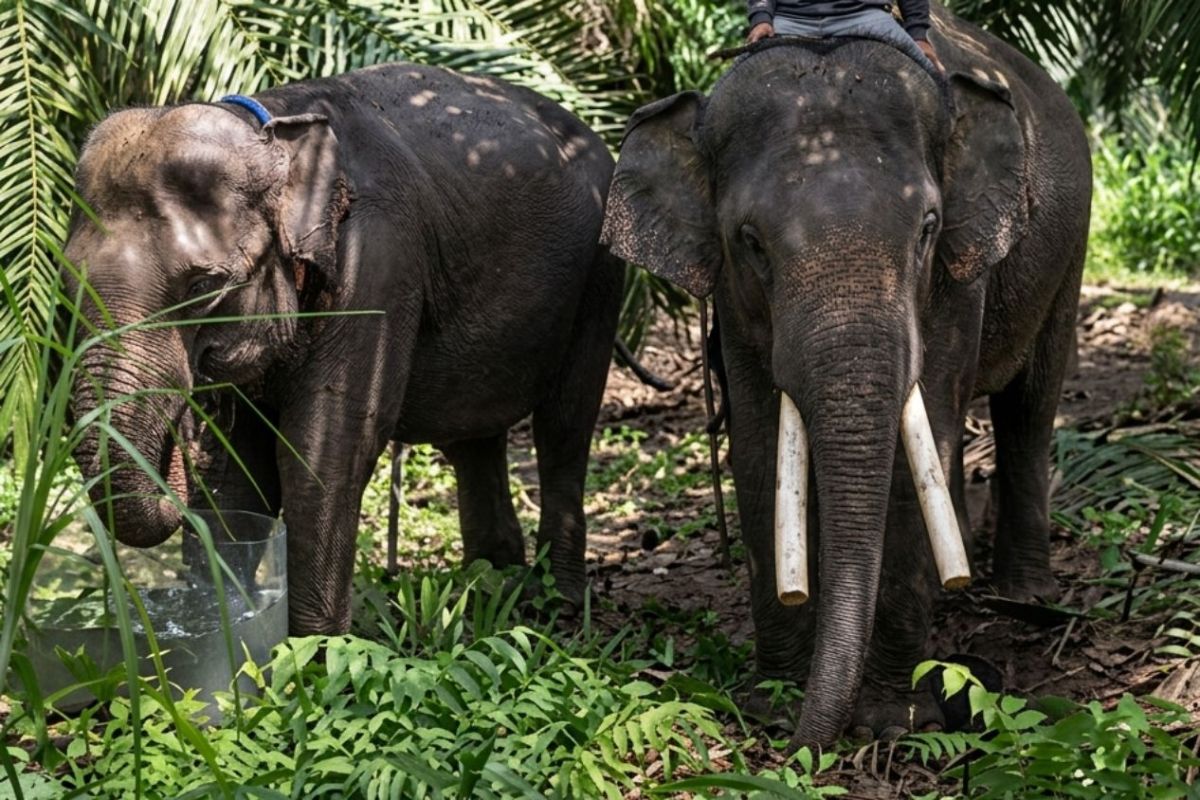
The East Kalimantan Natural Resources Conservation Agency (BKSDA) has confirmed that elephants Deo and Sinta are now in prime condition after undergoing translocation from Gembira Loka Zoo in Yogyakarta to Tabang Zoo in Kutai Kartanegara Regency.
“Both were immediately moved to a special facility and the medical team’s examination results show that the animals are very healthy,” said Head of East Kalimantan BKSDA M. Ari Wibawanto in Samarinda on Wednesday.
The two state-entrusted elephants are known to have arrived safely at the PT SGBL Conservation Institution, or Tabang Zoo, on Tuesday evening.
The long-trunked animals now occupy a newly designed paddock area covering 1.1 hectares.
“This conservation facility has received direct recommendations from elephant experts to ensure it meets their welfare standards,” he added.
The holding area is already equipped with a main enclosure, a spacious roaming area, a crush cage, and a storage warehouse for nutritious feed.
Previously, the pair of giant mammals had been temporarily entrusted to Gembira Loka Zoo in Yogyakarta to study their natural character and behaviour.
“This relocation was necessary because the previous facility’s capacity was already overstretched, which could hamper the animals’ breeding process to the fullest extent,” Ari stressed.
The relocation of Deo, aged thirty, and Sinta, aged forty, is considered to have met strict feasibility assessments.
BKSDA continues to pay full attention to all stages of the initial quarantine so that both animals avoid the risk of post-travel stress.
“We always keep three veterinarians and more than a dozen specialist keepers on standby to monitor their environmental adaptation process every day without pause,” he explained.
The specialist keepers are a combined team of experts brought in directly from Gembira Loka Zoo together with the local Tabang Zoo team.
The local zoo management is also required to regularly submit reports on the elephants’ health development to the relevant government authorities every year.
“The state will continue to monitor and is ready to take swift action should there be any potential decline in the health condition of these protected animals,” Ari concluded.