
Transit-Oriented Development Can Become New Economic Centres, Says Observer
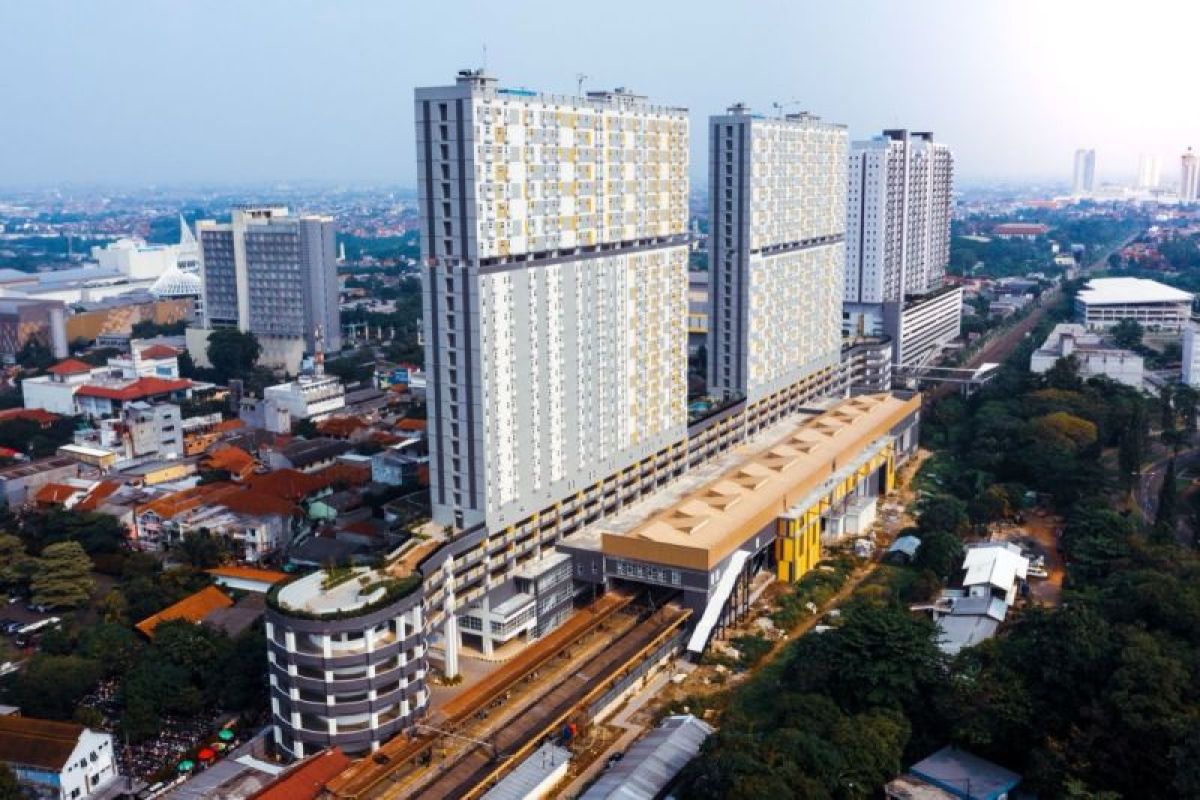
Jakarta (ANTARA) - Djoko Setidjowarno, a transport observer from Soegijapranata University in Semarang, Central Java, said Transit Oriented Development (TOD) areas can become new economic centres.
“On a meso to micro scale, TOD areas are designed as functional area units with high economic value. TOD transforms stations, which were previously just places for passengers to board and alight, into central hubs of economic activity,” Djoko said when contacted by ANTARA in Jakarta on Saturday.
TOD areas, he continued, can cut travel distances and journey times, thereby facilitating business interactions, labour mobility and consumer markets in a concentrated manner.
“Relying on property development, commercial space, retail and commercial leasing around stations to strengthen the finances of operators and regions,” he said.
High accessibility, he added, raises land and property values through Land Value Capture (LVC), which the government can capitalise on through taxes or levies to fund public infrastructure.
In addition, TOD areas also reduce people’s spending on fuel and vehicle maintenance, redirecting daily expenditure allocations to other productive economic sectors.
For information, Coordinating Minister for Infrastructure and Regional Development Agus Harimurti Yudhoyono (AHY) inaugurated the construction of the transit-based Bekasi Ekstension Station as a strategic step to strengthen connectivity while opening broader access to opportunities for boosting community economic activity.
AHY said the development of the area, which is part of the Summarecon Transit Oriented Development (TOD), represents a development approach that integrates transport, spatial planning, centres of economic activity and community living spaces.
According to AHY, the TOD concept does not merely provide a more integrated public transport system, but must also be able to create new spaces for economic activity by delivering positive impacts for business development and the business world, including micro, small and medium enterprises (MSMEs).