
Transforming waste into a resource
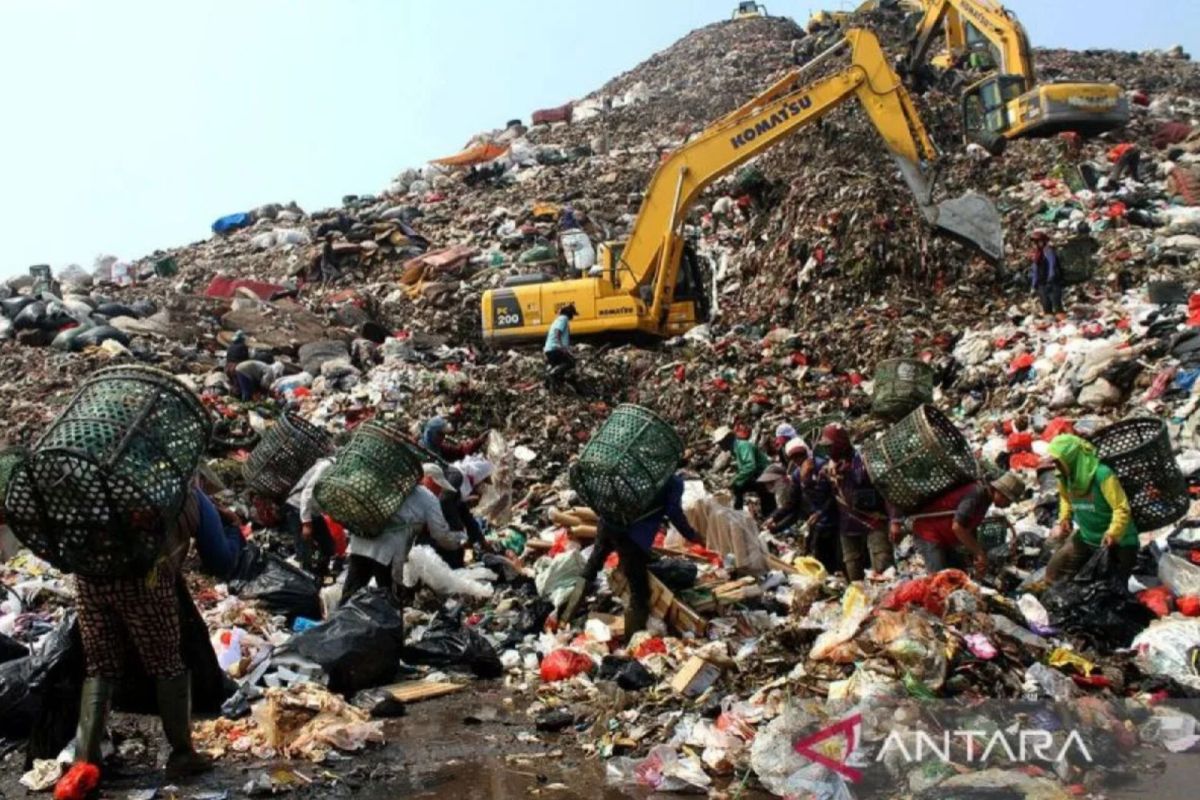
For many years, waste management in Indonesia has largely relied on a collect, transport and dispose pattern, with rubbish taken to final processing sites.
That pattern has helped keep waste services running, but it has become increasingly unable to cope with rising waste generation, limited final processing site capacity, and demands for more sustainable management.
Now the direction of management is beginning to shift. Indonesia is entering a new phase by promoting the use of waste as a source of energy as well as economic value through the development of Waste-to-Electricity Processing (PSEL).
This step has been strengthened through Presidential Regulation Number 109 of 2025 concerning Urban Waste Handling through Waste Processing into Environmentally Friendly Technology-Based Renewable Energy.
This change in policy direction comes amid increasingly complex waste problems. The scale of national waste generation, which reaches around 141,926 tonnes per day, has not been fully matched by management capacity. Around 26 per cent is well managed, while the remainder still requires system strengthening, ranging from reduction at source to final processing.
Rising waste generation is also putting pressure on the capacity of final processing sites in various regions. At the same time, the practice of open dumping — the open disposal of waste without management that meets environmental principles — still has the potential to pollute soil, water and air, as well as produce methane gas emissions.
This reality shows that simply expanding final processing site capacity is no longer sufficient. Waste management needs to be directed towards systems capable of reducing residues while harnessing the value still contained within them, so as to deliver broader benefits to society.
Transforming waste governance