
Transforming Pasar Rumput into a Mini Cinema
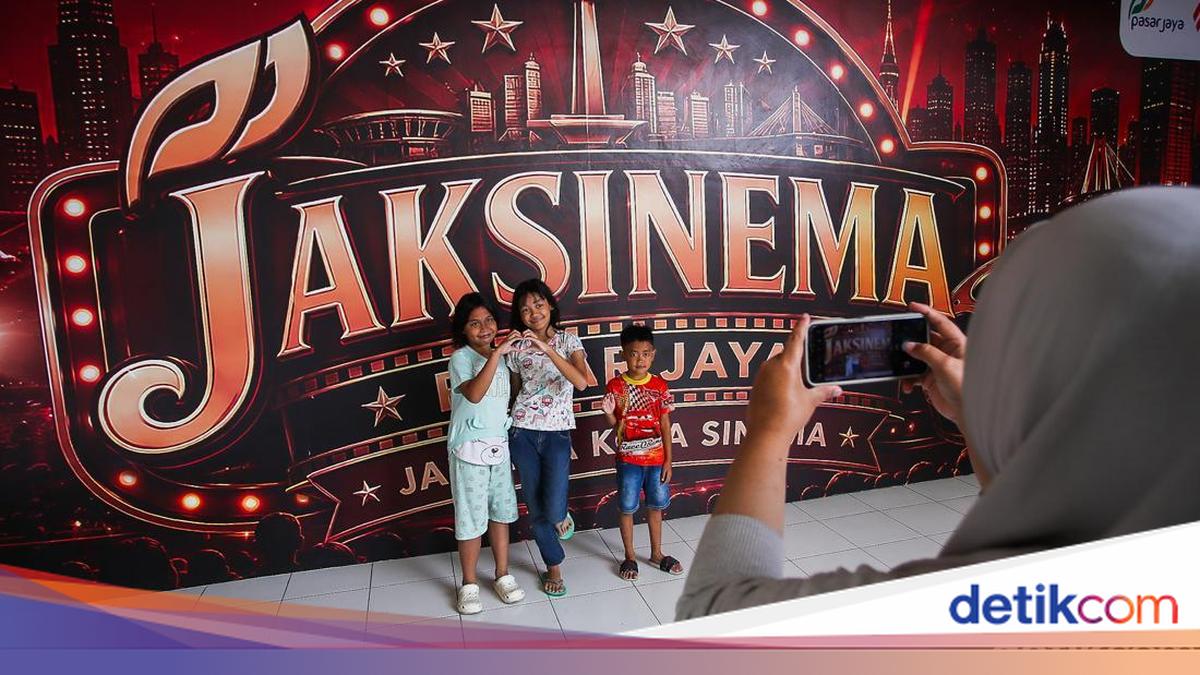
Inside the Pasar Rumput building in South Jakarta, people usually visit to shop. However, on Wednesday (26/08/2026), I arrived to watch a film. Not in a mall with a vast lobby and rows of prestigious shops, but in a corner of the Pasar Rumput building connected to Tower 3. There lies Jaksinema, a mini cinema that might sound unusual given its location in an area more familiar with daily trading activities.
From the outside, there is little to suggest this place is a cinema, so the journey to find the screening room becomes part of the experience. Access from the TransJakarta bus stop is relatively easy; once you alight from the bus, the route to the area is quite simple to find. The path in front is also served by public transport, making the trip to this mini cinema quite convenient for commuters.
Confusion is more likely to be experienced by those arriving by private vehicle. While parking for motorcycles and cars is available, visitors must search for the direction to Tower 3 after exiting their vehicles. The cinema is not located on a path immediately visible from the parking area.
Once finally found, the first impression is unlike the cinemas one typically knows. Jaksinema is situated precisely inside Jakmart, a modern minimarket chain owned by the Provincial Government of DKI Jakarta. The simple, red-painted room and the minimarket occupy the same area. Food and drinks are available to accompany viewers, though patrons are also permitted to bring their own refreshments from outside.
Jaksinema is designed as a micro-cinema. It features only one studio with a capacity of 43 people, divided into seven rows. Not much space is required to create a viewing experience. Visitors simply choose a film, secure a seat, and enter a room much smaller than a conventional cinema studio.
The ticket purchasing process follows this same scale. Walk-in viewers are not served at a manned counter, but rather via automated machines or kiosks. Tickets can also be booked through the Layar Digi website and the Alfagift application. The entire process is kept simple, with minimal steps between the desire to watch and sitting in the studio.
The most striking feature is undoubtedly the ticket price. On weekdays, viewers only need to pay Rp15,000. On weekends and national holidays, it is slightly more expensive at Rp20,000. This price is much closer to the cost of spontaneous entertainment rather than a carefully planned cinema outing.
The film choice for that afternoon was ‘Arwah’, an Indonesian horror film released the previous year. The selection of films is not comprised of new releases currently dominating major cinemas. Jaksinema employs a different model, screening films that have already finished their runs in larger cinema chains.
During that session, detikX filled the two remaining seats. Viewers of various ages gathered in the studio, which was much smaller than most cinemas. Most of the visible audience were children who appeared to live in nearby low-cost apartment complexes (rusun). Some teenagers were also present, alongside adults attending with partners.
The proximity and atmosphere of the room felt intimate. There was no sea of seats like in a large studio. Viewments were in a relatively small space with a limited number of people. However, once seated, the experience did not feel like a mere small room forced into being a cinema. The seats were quite comfortable, the room was cool, and both the screen and sound functioned well. For the price of Rp15,000, the basic facilities required for watching a film were provided. There was no sense that a low price must always result in a poor experience.
As the lights dimmed and the screen took over the room, Jaksinema performed the same function as any other cinema. The audience sat, the film played, and the story of ‘Arwah’ unfolded before them. The difference in studio size did not inherently change the primary activity being performed.
However, the sound of the audience began to become part of the experience. The children filling some of the seats were not all able to sit quietly throughout the film. Some were restless and did not always focus on the story. Because the room is small, their voices were easily heard, making the viewing experience slightly more boisterous.
For viewers who come merely to pass the time, such an atmosphere might be acceptable. However, for those who truly wish to immerse themselves in a film, the difference is noticeable. In a horror film, where tension is built through silence, the noise from other viewers can break concentration.
Jaksinema does not provide the same cinematic experience as large studios. The screen is smaller, and the audio immersion is not the same. The films screened are also not the latest releases. Even the character of the audience can be very different. Yet, this does not mean the viewing experience is automatically bad.
“Overall, it was fun; it’s like a miniature version of other cinemas. It was quite cool,” said Melky, one of the visitors, to detikX.
Even the small size of the room made this form of cinema interesting to this 40-year-old man.
“In terms of experience, it’s the same, but the format of this cinema is like a miniature of others, yet it’s fun and cute. I mean, the seating is also comfortable,” said the horror film enthusiast.
Melky is among those who see the price as a key part of Jaksinema’s appeal. He does not only judge whether the facilities are good, but also compares them to the money spent.