
Transforming Hajj Management: A Major Effort for Better Pilgrim Services
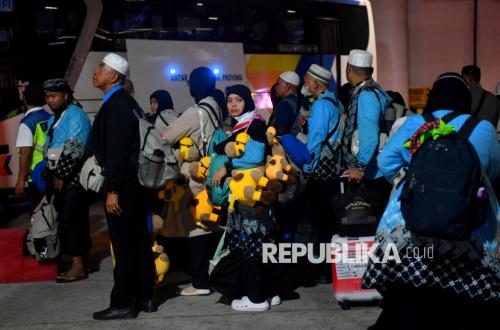
The organisation of the Hajj pilgrimage has always been a major concern for the Muslim community. Beyond being the fifth pillar of Islam, Hajj is an act of worship involving millions of people from various countries, with an exceptionally high level of service complexity. Each Hajj season presents its own challenges, ranging from transport, accommodation, and health to security and the management of pilgrim movement at the peak points of the rituals. In this context, this year’s Hajj operation has shown several developments worthy of appreciation. Various breakthroughs by the Saudi Ministry of Hajj and Umrah have introduced a more modern, integrated governance system oriented towards the safety and comfort of pilgrims. Positive reports from the field indicate that the transformation of Hajj services is moving in an increasingly better direction.
One of the most tangible achievements felt by pilgrims is the efficiency of Hajj costs. Amid various global economic challenges and rising international service costs, the ability to deliver more affordable expenses is welcome news for Muslims who have waited years to perform the pilgrimage. Cost efficiency must not come at the expense of service quality, and based on field observations, quality improvements have indeed progressed alongside these efficiency measures.
Improvements are also evident in service governance. The reduction in the number of syarikah (service companies) serving pilgrims has led to a simpler structure, positively impacting data consolidation and operational coordination. A more centralised system makes information distribution to pilgrims easier, allows important documents to be prepared before departure, and enables more effective coordination between organisers and field officers. This step highlights the importance of bureaucratic simplification in public service: the simpler the coordination chain, the faster the response to various needs and issues that arise in the field.
Furthermore, the enhancement of human resources has been a crucial factor supporting the success of the Hajj operation. Education and training for Hajj officers have resulted in better service standards. At various ritual locations, officers were seen carrying out their duties according to their respective functions with high discipline and responsibility. Notably, during the peak phases of the rituals at Arafah, Muzdalifah, and Mina, many officers continued to wear their duty attributes and focused on serving the pilgrims, demonstrating that service orientation is the top priority. The presence of alert and easily recognisable officers provides a sense of security and increases pilgrims’ trust in the available service system.
Another significant advancement felt by pilgrims is the improvement in accommodation quality. Many regular Hajj pilgrims received good quality hotel facilities in strategic areas of Madinah. Close access to the Nabawi Mosque greatly facilitates pilgrims, especially the elderly and those with physical limitations. Comfortable living conditions in the Holy Land are not merely a matter of facilities; they also affect the physical and psychological condition of pilgrims during the long series of worship rituals.
In Hajj management, success is not only measured by the quality of hotels or transport but also by the ability to manage millions of people in an orderly and safe manner. Therefore, various innovations implemented during the Armuzna phase deserve attention. For instance, placing identity details on each tent in Arafah and Mina is a simple yet highly effective measure to facilitate identification and search for pilgrims. Amid the extraordinary density during the peak Hajj period, such a system helps reduce the risk of confusion and speeds up the service process. The successful management of pilgrim movement in Muzdalifah is also a significant achievement. A more orderly and structured flow resulted in smoother evacuation and transport processes. This orderliness demonstrates that planning, coordination, and operational execution were effective. In modern Hajj operations, the ability to manage the mobility of millions of people simultaneously is a key indicator of management success.
Equally encouraging is the minimal number of reports of pilgrims getting lost or missing during the rituals. This condition reflects good coordination between field officers, the Hajj service command centre, and Saudi authorities. An improved monitoring system, supported by more integrated information and communication technology, has contributed significantly to pilgrim safety. At the same time, the health aspect of pilgrims has also shown positive developments. Efforts to tighten pre-departure health fitness (istitha’ah) standards and periodic health monitoring during the pilgrimage have had a real impact on protecting pilgrims. The awareness that Hajj requires adequate physical readiness has become an increasingly important part of modern Hajj governance. Good health services aim not only to reduce morbidity and mortality rates but also to ensure pilgrims can perform the entire series of rituals optimally. Therefore, the preventive approach from before departure must continue to be strengthened in the coming years.
On another front, firm action against non-procedural Hajj operations also deserves appreciation. Inter-institutional cooperation in supervision and law enforcement demonstrates a strong commitment to protecting pilgrims from harmful practices. The presence of non-procedural prospective pilgrims has not only caused administrative problems but also potentially endangered their own safety, as they were outside the official protection system.