
Transformative Hajj for the Welfare of the Ummah and the Nation
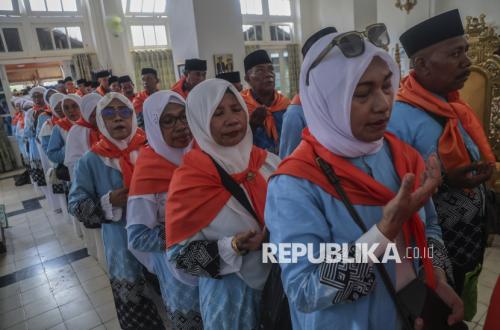
It is common knowledge that “transformative” means changing form, nature, or condition. This concept refers to something that has the power or ability to change, either physically or functionally, towards a new, more advanced and profound form.
This differs in implementing the concept of Hajj worship, which not only changes to fulfil ritual obligations but brings profound changes in the spiritual, personal, and social aspects of pilgrims to achieve Hajj Mabrur. This is the peak of spiritual attainment, in line with the prayer of the Hajj pilgrims:
اللَّهُمَّ اجْعَلْ حَجًّا مَبْرُوْرًا، وَسَعْيًا مَشْكُوْرًا، وَذَنْبًا مَغْفُوْرًا، وَتِجَارَةً لَنْ تَبُوْرَ
Meaning: “O Allah, make this Hajj an accepted Hajj, an effort that is appreciated, sins that are forgiven, and a trade that will not perish.”
Therefore, starting in 2026, the organisation of Hajj will undergo transformation from the Ministry of Religious Affairs to the Ministry of Hajj and Umrah. This policy is implemented to improve services, security, and comfort for pilgrims, with a focus on new policies such as adjusting the minimum age and managing the waiting list to make it more equitable.
Spiritual Transformation
Self-change in performing Hajj becomes an important moment as part of deep reflection to improve oneself in a spiritual form, namely the search for the meaning of life, the purpose of life, and connection of self with greater power to be closer to Allah SWT by maintaining the balance of the universe and inner peace.
Transformation to increase piety towards Allah SWT with the characteristics of Hajj Mabrur, namely: first, forming pilgrims who are more patient, sincere, full of care and sacrifice; second, giving rise to collective or social awareness in the form of human awareness to realise social, political, and economic justice, transcending ethnic and cultural boundaries in nation-building and statehood for greater benefit.
Structural Transformation
The organisation of Hajj 2026 will be directly managed by the Ministry of Hajj and Umrah in accordance with Presidential Decree Number 92 of 2025, with various changes: first, initially under the Ministry of Religious Affairs becoming the Ministry of Hajj and Umrah; second, the age is lowered to 13 years; third, pilgrims who have previously performed Hajj can depart again after waiting 18 years; fourth, the syarikah services are simplified from eight to two syarikah to improve quality; fifth, more focus on services to be more optimal, safe, and comfortable, including strengthening the murur and tanazul schemes, which are special schemes in Hajj to protect elderly pilgrims, high-risk (risti), and disabled individuals.
Murur is staying overnight in Muzdalifah only by passing through using a bus without getting off. Tanazul is early return to the hotel in Makkah after throwing pebbles at the Jamarah Aqabah, without staying in Mina. One of the structures that will maintain the transformation of the sharia financial ecosystem based on Islamic principles that prohibit riba, gharar, and maysir, and prioritise risk prevention for greater justice. Its components include sharia banks, insurance, pawnshops, sharia capital markets, to digital products, with growth maintaining balance.
Social Impact of Transformative Hajj
The impact on individuals is very significant, such as exemplarity, where currently the nation’s children are losing good role models in politics, economics, society, and nation-building. Preventing corruption is an exemplary and noble behaviour.
Similarly, the environmental impact in the form of green areas that are lush with dense vegetation functioning to absorb water, reduce pollution, and cool the air to realise a green environment through waste management (3R: reduce, reuse, recycle), as well as energy saving to create a healthy, beautiful, and sustainable living space for humans. This impact ranges from individual piety to social piety for the surrounding environment to prevent global warming, which is the phenomenon of gradual increase in the average temperature of the atmosphere, sea, and land of the Earth, especially due to human activities that release greenhouse gases. This must receive attention from Hajj pilgrims when in the holy land and after returning from the holy land to the homeland throughout their lives.
Source: jawawa.id (https://jawawa.id/newsitem/transformative-hajj-for-the-welfare-of-the-ummah-and-the-nation-1778478774)
Originally published by Republika (https://analisis.republika.co.id/berita/teuvay393/haji-transformatif-untuk-kemaslahatan-umat-dan-bangsa), translated from Indonesian