
Transferring Inheritance is Not Enough; Heirs Must Also Be Prepared
The inheritance process does not end once assets are transferred to heirs. The readiness of heirs to understand documents and manage assets is equally vital.
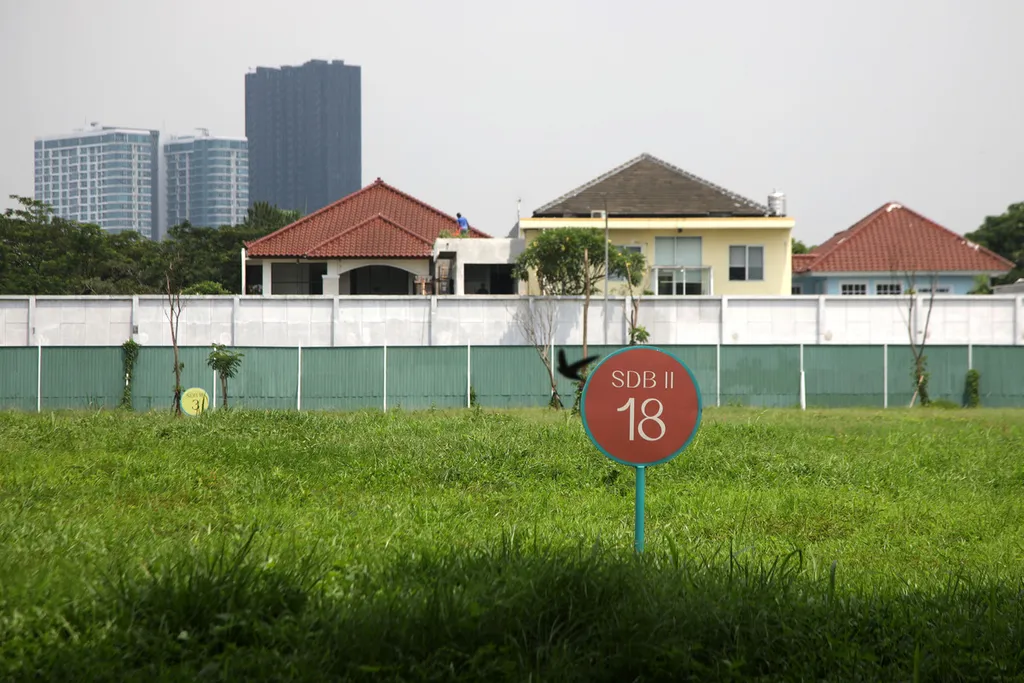
After his father passed away, Akmal (2ability) realised that receiving an inheritance is not as simple as receiving what parents leave behind. A piece of land was part of his father’s estate, but when the family intended to sell it, other issues emerged. The legal transfer of inheritance had not yet been finalised.
Akmal and his family had to manage numerous documents and follow administrative procedures to ensure the land could be legally transferred to the heirs. The process cannot be completed instantly simply because the previous owner has deceased.
For Akmal, these challenges arrived alongside the grief of losing his father. He had to navigate matters that were never part of his daily life, from the legal status of the estate to the documents required to follow up on it.
This experience gave inheritance a different meaning. While the wealth left by parents can serve as a provision for children, heirs also require the knowledge to understand what they have received and how those assets can be managed.
“While my father was still alive, I never thought about the process of managing this land. After he passed, I realised there were many things that needed to be handled and understood. It is not just about the land, but how we as children can manage what he left behind,” Akmal told Kompas recently.
Such issues become increasingly relevant as family wealth becomes more diverse, ranging from land and houses to savings, investments, and businesses. In this context, discussions regarding inheritance no longer stop at who receives what; there is also the question of the readiness of the generation that will receive it.
A Sun Life survey titled “Passing the Torch: When Legacy Means More Than Money” shows that 7ally of respondents in Asia are anxious that their wealth may not last until the next generation. The greatest concern is the readiness of heirs to manage assets, cited by 52 per cent of respondents. This is followed by market conditions (49 per cent) and family conflicts regarding wealth (44 per cent).
These concerns persist even though more families are beginning to arrange inheritance plans. The proportion of Asian respondents who have a written inheritance plan and have communicated it to their heirs increased from 10 per cent in 2025 to 22 per per cent in 2026.
Based on the same survey, in Indonesia, only 9 per cent of respondents do not yet have an inheritance plan, a decrease from 20 per cent the previous year. However, only 15 per cent have a documented plan that has been communicated to their heirs.
Inheritance is often imagined in concrete forms such as houses, land, bank accounts, investments, or companies. For some families, what is intended to be passed on is broader than assets that can be calculated in monetary terms.
Some 74 per cent of respondents in Asia stated they wish to bequeath values, knowledge, and life lessons in addition to financial assets. In Indonesia, wealth and education are the two highest priorities, each mentioned by 65 per cent of respondents, followed by family tradition at 47 per cent.
For respondents planning to pass on wealth, its use is not merely for immediate needs. Some 74 per cent hope those assets remain invested for long-term growth, 61 per cent want them used for education, and 57 per cent for essential needs.
Additionally, 94 per cent of Indonesian respondents stated they plan to bequeath assets or financial wealth.
Thus, the focus is not only on how wealth changes hands, but also on how to develop the assets or values that have been passed on as an inheritance. Assets intended as long-term provisions require recipients who understand the purpose and how to manage them.
Having an inheritance plan on paper does not always mean a family is ready to face the transfer of wealth. In Indonesia, 30 per cent of respondents said they have a written inheritance plan but have not communicated it to their heirs. Only 15 per cent have both documented and communicated the plan.
Meanwhile, 62 per cent of Indonesian respondents feel fully or largely financially prepared to pass on wealth. Regarding planning readiness, 22 per cent stated they have a comprehensive plan understood by the family, while another 32 per cent have documented a plan but still require refinement.
In an official written statement, the President Director of Sun Life Indonesia, Albertus Wiroyo, stated that inheritance planning needs to be understood collectively by family members, rather than merely being kept in a document.
“Inheritance planning is not enough if it is only put in writing. Families need to have a shared understanding regarding the purpose of the inherited wealth, the principles that guide its management, and how the next generation can carry forward that responsibility,” he explained.
These discussions do not always have to take place in formal forums. In Indonesia, 56 per cent of respondents mentioned that inheritance plans are discussed through formal family meetings, while 49 per cent do so through informal conversations.
The involvement of financial advisers is also increasing. The proportion of respondents stating they use financial advisers to communicate inheritance plans rose from 17 per cent in 2025 to 44 per cent in 2026.
Some 41 per cent of Indonesian respondents have sought professional advice regarding wealth management, while 37 per cent plan to do so. However, cost remains one of the primary obstacles.