
Transfer of Febrie Adriansyah Case to Attorney General's Office Raises Conflict of Interest Concerns
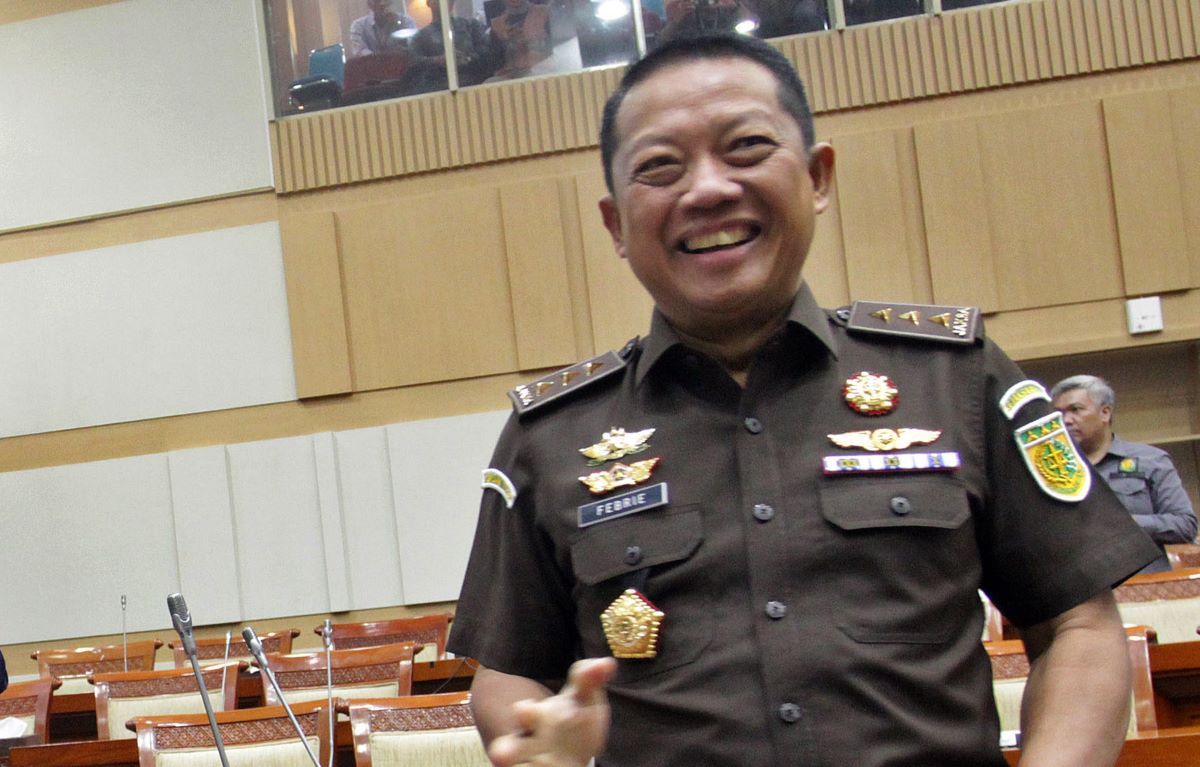
The Indonesian National Police’s (Polri) decision to hand over the investigation into alleged corruption and money laundering involving former Junior Attorney General for Special Crimes (JAM-Pidsus) Febrie Adriansyah to the Attorney General’s Office (Kejagung) has drawn sharp criticism. The move is viewed as abandoning a crucial moment in the case. The Civil Society Forum (Forsiber) assessed that the transfer occurred just as the investigation was entering its most critical phase, before the main suspect had been examined and the case construction fully tested. Forsiber Coordinator Hamdi Putra stated that the public has a right to know why Polri relinquished control of the investigation at a stage that should determine the direction of the evidence. “Polri carried out the work that attracted the most public attention but handed over the most decisive part of the case to the Attorney General’s Office,” Hamdi said.
According to Hamdi, Polri initially demonstrated highly progressive steps. Investigators moved quickly with searches, seized a fantastic amount of cash and gold, held case exposés, and named Febrie Adriansyah a suspect for alleged corruption and money laundering related to the handling of the PT Asabri case and other corruption matters. However, Hamdi argued that this initial boldness was not followed by a thorough completion of the legal process. After naming Febrie a suspect, Polri should have used its authority to examine him directly to test the relationship with another suspect, a private sector individual identified as DR, trace the origins of the seized assets, and confirm the alleged use of nominees. “Polri appeared brave in drawing legal conclusions but did not complete the evidentiary confrontation with the accused,” he stated.
The handover is seen as more than a simple file transfer, representing a shift of investigative control at a decisive phase. The Attorney General’s Office’s statement that it still needs to develop evidence and establish causal links indicates the investigation was incomplete upon transfer. This situation risks weakening the legitimacy of the suspect designation made by Polri. Furthermore, the transfer raises a significant objective conflict of interest, as the case is now being handled by the very institution where Febrie Adriansyah once served as a top leader. The Attorney General’s Office must now investigate a former superior and internal processes. “This risk does not mean the Attorney General’s Office is proven to be protecting the suspect, but it is a consequence of the structural, professional, and reputational ties between the suspect and the institution now handling the investigation,” Hamdi explained.
Forsiber also questioned the lack of transparency regarding the legal basis for the transfer, the status of the suspects, and the mechanism for controlling the evidence post-transfer. The group fears this ambiguity could lead to a shifting of responsibility if the case stalls. Hamdi criticised the apparent discrepancy in treatment, suggesting the law appears swift and firm against private parties but overly cautious when dealing with former high-ranking law enforcement officials. He urged Polri to take full responsibility for the legal process and ensure the case is ready for trial, stating that the force should not just create a sensation with raids and suspect designations but must be brave enough to be accountable for the evidence in court.