
Trans Metro Dewata as an Alternative During Fuel Shortages: Routes, Fares and How to Pay
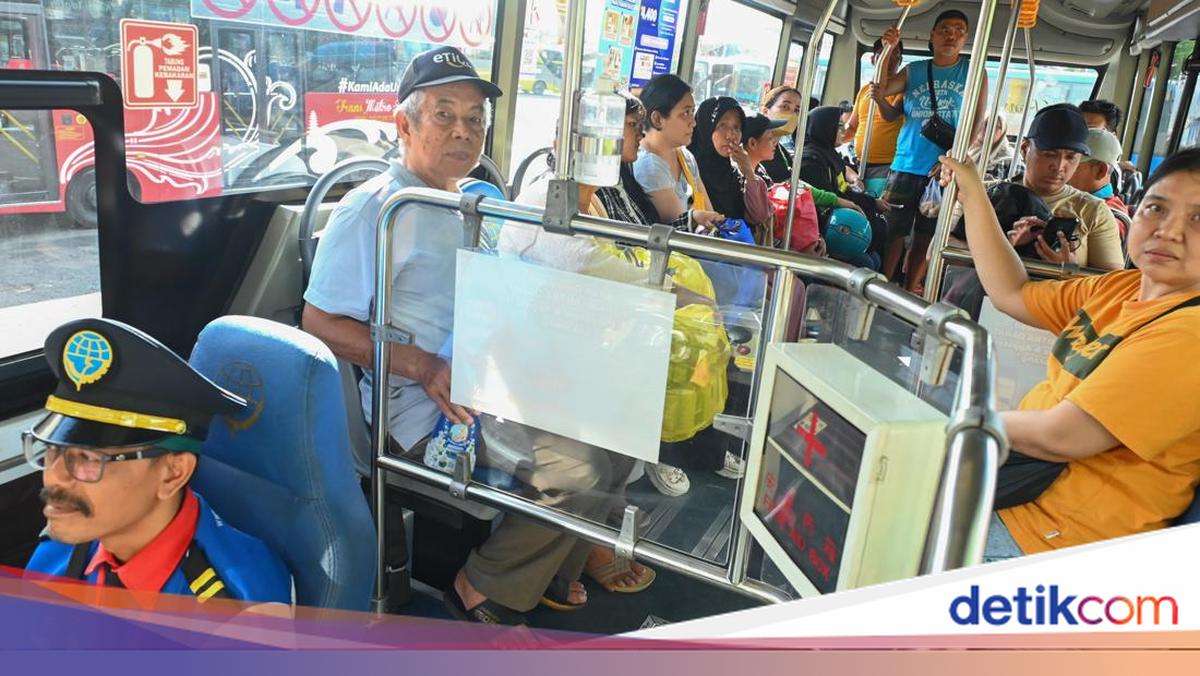
Trans Metro Dewata (TMD) is one transport option when fuel supplies in Bali are limited. It is popular because fares are affordable, payment is cashless, and its routes connect Denpasar, Badung, Gianyar and Tabanan. Interest among the public is rising, with passenger numbers reaching 6,501 in a single day.
How to use Trans Metro Dewata
Before setting off, choose the corridor closest to your starting point and destination. Visitors and residents can use Google Maps or the Mitra Darat app to find the nearest stop and track buses in real time.
When the bus arrives, board through the designated door and pay before or as you get on. TMD does not accept cash, so remember to prepare an electronic money card, QRIS or a TMD Pass.
If you are unsure about the direction or where to get off, ask a member of staff or the driver. This is important because buses may be fuller during fuel shortages, so passengers should ensure they board the correct bus and do not miss their stop.
Trans Metro Dewata routes
TMD currently operates six corridors serving tourist areas, the airport, terminals and activity centres across Bali. These routes offer an alternative when private vehicles run out of fuel.
Corridor 1: Sentral Parkir Kuta–Terminal Pesiapan (serving areas from Kuta to Tabanan)
Corridor 2: Terminal Ubung–I Gusti Ngurah Rai Airport (for visitors arriving in Bali or heading home)
Corridor 3: Terminal Ubung–Sanur (via central Denpasar and the Renon area)
Corridor 4: Terminal Ubung–Sentral Parkir Monkey Forest Ubud (an easy option for reaching Ubud)
Corridor 5: Sentral Parkir Kuta–Bali State Polytechnic
Corridor 6: Sentral Parkir Kuta–Sentral Parkir Nusa Dua (connecting passengers to the southern tourist area)
The corridors generally operate from morning until evening, from 4.30 am to 6.40 pm Central Indonesia Time, with the number of buses varying by route.
Trans Metro Dewata fares
TMD charges a flat fare, meaning the price remains the same regardless of distance or the number of stops travelled. Fares for general passengers start at Rp4,400 per trip.
School pupils, university students, older people and people with disabilities pay a concessionary fare of Rp2,000. This usually requires a registered and verified electronic money card.
The Rp4,400 fare now covers more than one bus journey. Passengers can transfer to another bus without paying again, provided the transfer is made within 90 minutes of the initial payment.
How to pay
TMD accepts cashless payments only. Passengers can pay using QRIS through mobile banking or a digital wallet; electronic money cards such as BRIZZI, TapCash, Flazz and Mandiri e-money; or a TMD Pass.
To pay by QRIS, scan the code available on the bus, enter the fare amount and complete the transaction. Keep the payment receipt in case it is needed.
Tips during fuel shortages
Demand for public transport rises when fuel is scarce, so it is best to leave earlier and prepare digital payment before the bus arrives. Avoid peak hours where possible, particularly in the morning and late afternoon, when buses tend to be busier.
Choose a corridor that matches your destination to avoid unnecessary transfers. For example, use Corridor 2 to reach the airport, Corridor 3 for Sanur, or Corridor 4 to reach the Sanur area.
With fares of Rp4,400 and cashless payment, Trans Metro Dewata offers an economical way to get around and helps reduce reliance on private vehicles while fuel supplies on the Island of the Gods have yet to fully recover.
Source: jawawa.id (https://jawawa.id/newsitem/trans-metro-dewata-as-an-alternative-during-fuel-shortages-routes-fares-and-how-to-pay-1792173035)
Originally published by detikBali (https://www.detik.com/bali/berita/d-8710272/trans-metro-dewata-jadi-alternatif-saat-bbm-langka-ini-rute-tarif-cara-bayar), translated from Indonesian