
Tragic Construction Failure Incident That Killed Over 1,000 People
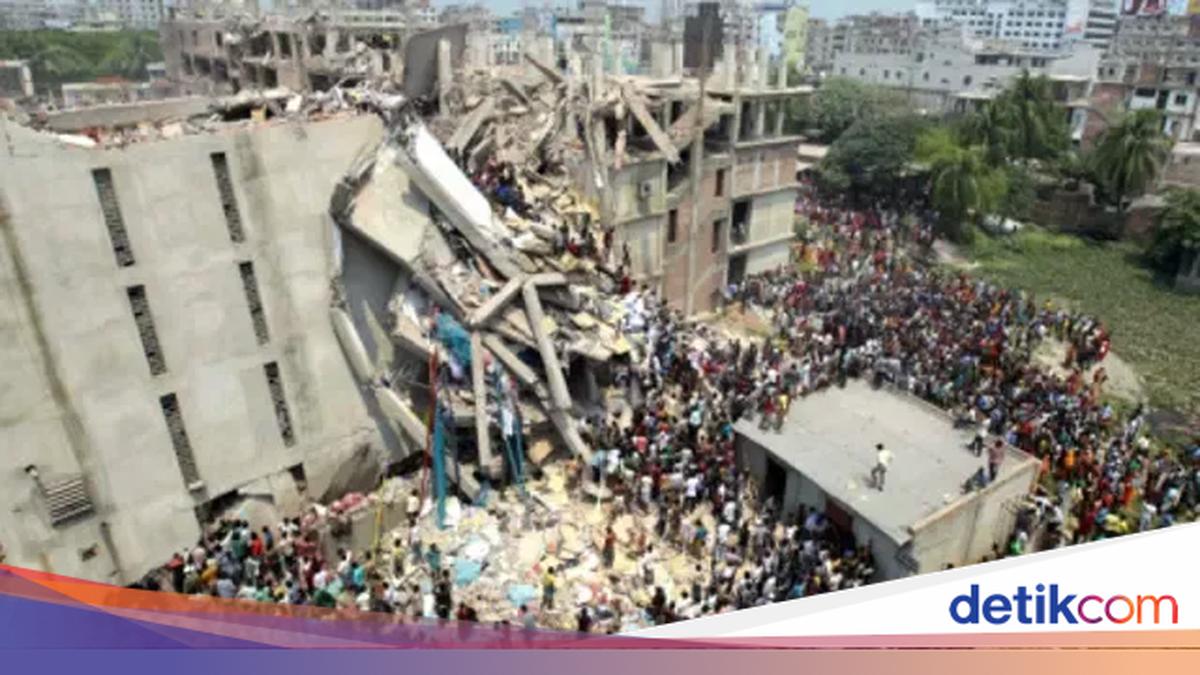
The collapse of the Rana Plaza building in Bangladesh stands as one of the most heartbreaking construction failure incidents, claiming the lives of more than 1,000 people.
According to the International Labour Organization (ILO) and reports from DW, the event occurred on 24 April 2013. The Rana Plaza building served as a garment factory and consisted of eight floors.
Prior to the collapse, serious structural cracks had been discovered in the construction of the Rana Plaza building.
Despite the known danger of these cracks, factory managers forced workers to continue working inside the building. Those who protested were threatened with dismissal.
Furthermore, the building was constructed in violation of its permits. Initially, the building permit only allowed for up to six floors, but the structure was extended to eight floors.
The fateful day arrived when the eight-storey building collapsed. The collapse killed 1,129 people, a staggering number. The eight-storey building collapsed in less than two minutes.
This event drew significant international scrutiny. The tragedy highlighted the severe issues regarding occupational safety and labour protection within the Bangladeshi garment sector.
Investigations revealed that the cause of the accident was the emergence of serious structural cracks in the building. The high death toll was attributed to managers ignoring warnings from workers.
Following the incident, on 27 June 2013, President Obama decided to suspend Bangladesh’s trade tariff benefits under the Generalized System of Preferences (GSP) programme.
Since July 2013, the United States has collaborated with the European Union, the International Labour Organization (ILO), and the Bangladeshi government through the ‘Sustainability Compact’ partnership to promote improvements in factory safety and the fulfilment of workers’ rights.