
Traffic Management During Lebaran Exodus to Rely on Radar and Traffic Counting Systems
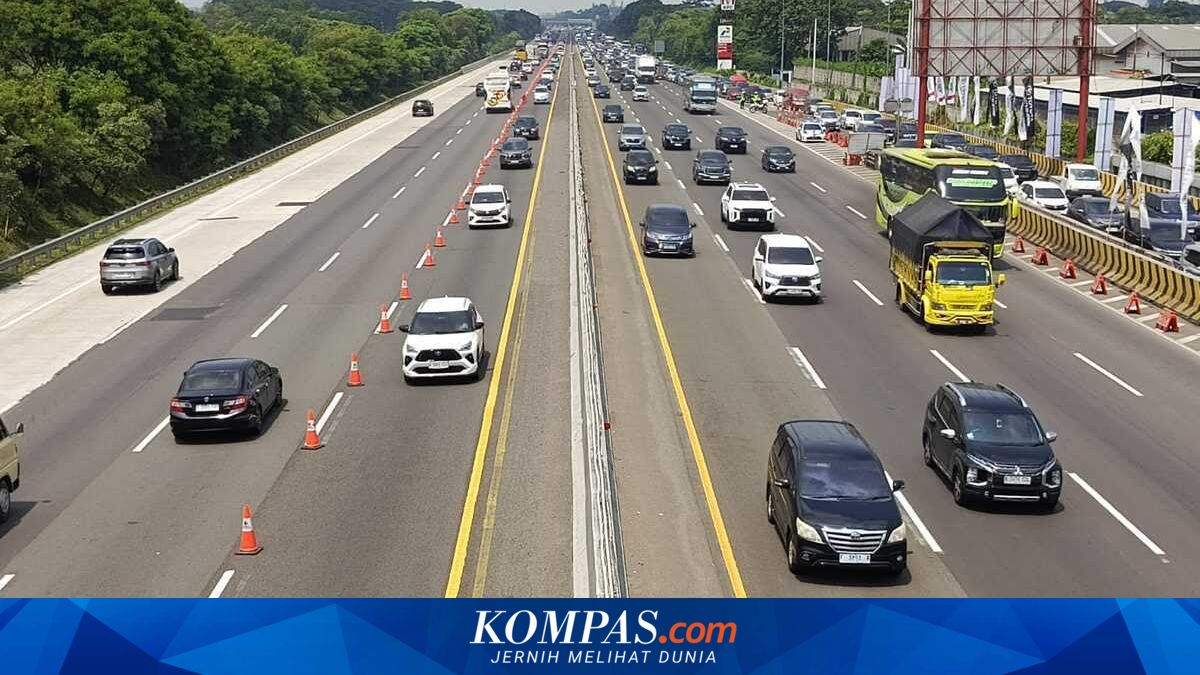
JAKARTA – Ahead of the Lebaran holiday exodus and return traffic, Indonesia’s National Police Traffic Corps (Korlantas Polri) is preparing a technology-based strategy to ensure smooth travel on toll roads.
Radar and traffic counting systems will form the foundation for deciding when to implement contraflow and national one-way measures.
For context, traffic counting is a traffic engineering survey that calculates the volume and type of vehicles passing a specific point or road section within a given time period.
Korlantas Polri Chief Inspector General Agus Suryonugroho stated that the force is prepared to manage vehicle flow using a digital and collaborative approach working with stakeholders.
“Regarding toll road management during peak traffic periods, whether it is the exodus or return journey, Korlantas Polri and stakeholders will always collaborate,” Agus said in a written statement (28 February 2026).
“Korlantas Polri uses digital technology when implementing traffic management engineering, whether flow diversion, patrol operations, contraflow, national one-way measures, and so forth,” Agus added.
Contraflow implementation is not done arbitrarily. Strict parameters monitored in real-time ensure the policy effectively reduces congestion.
One key indicator is the number of vehicles per hour monitored through radar and traffic counting systems.
“We will look at the radar parameters – when vehicle volume reaches 4,500 to 5,000 continuously in one hour, we will implement contraflow on lane 1. Similarly, when it reaches 6,400, we will implement contraflow on lane 2,” he explained.
The decision is based on the latest data updates from various monitoring devices, including precision drones and radar operated by Jasa Marga, Indonesia’s toll road operator.
“We will implement national one-way or partial one-way measures in one-way zones based on the latest updates from traffic flow monitoring technology, including precision drones and radar operated by Jasa Marga,” Agus said.
He added that the approach is not merely advisory but based on real-time data and technology systems to guarantee safety and smooth traffic during the Lebaran period.