
Traffic Chief: Predictive Traffic Policing Key to Smooth 2026 Eid Exodus
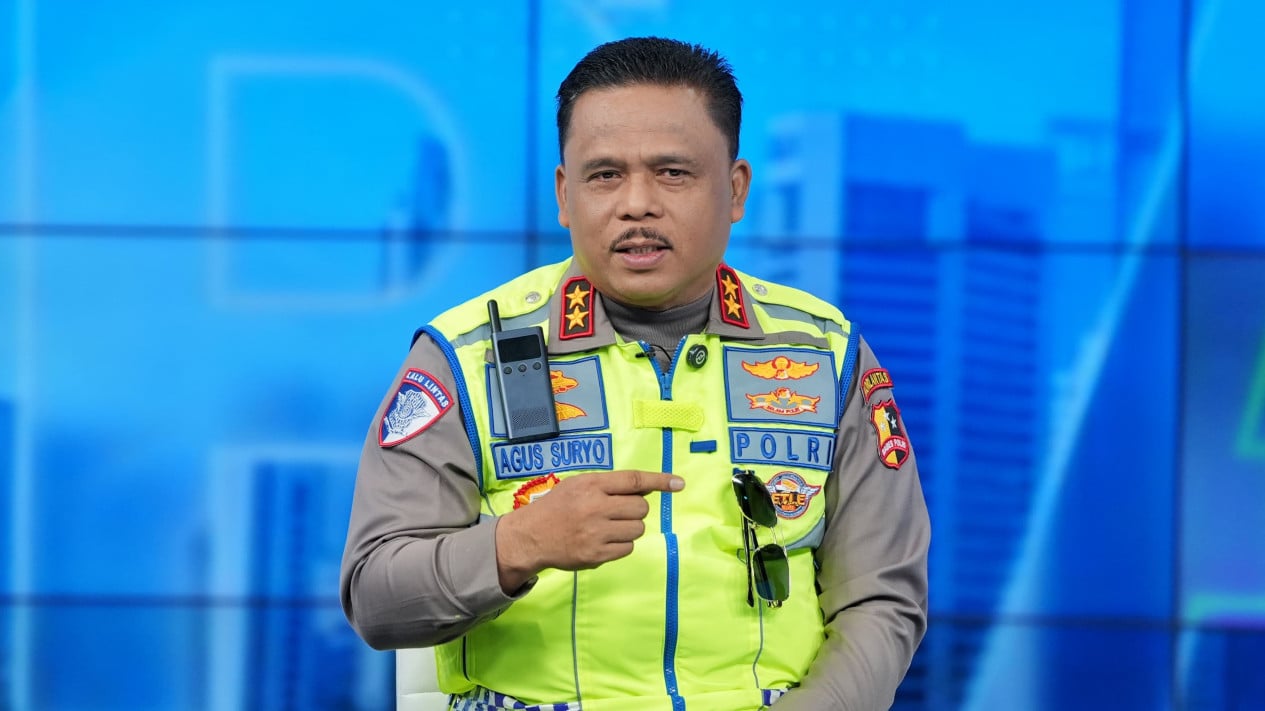
Jakarta, VIVA – The Head of the National Police Traffic Corps (Kakorlantas) Polri, Inspector General Agus Suryonugroho, stated that vehicle flow management during the 2026 Ketupat Operation is not only based on predictions but also on existing parameters.
Agus mentioned that the implementation of predictive traffic policing up to adaptive driver management is one of the keys to the success of managing the 2026 homecoming and return flows.
“With predictive traffic policing, we can determine when to implement contraflow, one way, and even national one way. Everything is based on measurable parameters, so vehicle movements can be prioritised effectively,” said Agus.
“We are already using adaptive driver management, including collaboration to secure one sector, for example, at ferry ports. How we plan security on toll roads with decision parameters for traffic engineering management, both for homecoming and return flows,” he continued.
Agus added that this year’s homecoming saw a significant increase in the number of travellers. However, thanks to these strategies, traffic flow remained smooth. Even traffic accident rates declined.
“Alhamdulillah, the national fatality rate for deaths fell by up to 31 percent, and accident incidents also decreased. This shows that traffic management is running effectively,” he explained.
In addition to technology and traffic management, the success of the 2026 Ketupat Operation was also supported by cross-sector collaboration. Korlantas Polri worked with ministries, local governments, and various stakeholders to ensure safe and comfortable travel for the public.
Supporting policies such as restrictions on three-axle vehicles through the Joint Ministerial Decree (SKB), the implementation of Work From Anywhere (WFA), and free homecoming programmes helped alleviate traffic density from the start.
“These firm government policies greatly influence the Ketupat Operation. The first is Work From Anywhere, and the second is the Joint Ministerial Decree (SKB) that regulates restrictions on three-axle vehicles. This balances management on toll roads and arterials. Therefore, we can reduce accident incidents,” he stated.
A humanistic approach also played an important role in this operation. Field officers not only managed traffic but also provided services, information, and assistance to travellers at various points, such as rest areas, toll roads, and ferry ports.