
Traditional Ramadan Foods from Around the World
Jakarta (ANTARA) - During Ramadan, Muslims observe fasting, beginning with the sahur meal before dawn and ending with iftar, the breaking of the fast, at sunset.
The sahur and iftar occasions are marked by a variety of distinctive dishes, from rich savoury broths to sweet treats that have become hallmarks of Ramadan in various countries. Drawing from multiple sources, the following is a selection of traditional Ramadan foods from around the world.
Harira - Morocco
In Morocco, iftar is incomplete without Harira, a smooth tomato-based soup filled with lentils, chickpeas, and often a touch of lamb. It is typically served with Chebakia (honey-drizzled sesame biscuits) and dates.
Sahur meals tend to be lighter, consisting of bread with eggs, yoghurt, mint tea, and honey or olive oil.
Mahshy - Egypt
In Egypt, iftar usually features Mahshy, a dish of vegetables stuffed with seasoned rice mixture.
Iftar also begins with soup, often vermicelli or lentil soup, followed by mezze such as stuffed vine leaves and various dips. The main course may be Koshari — a combination of rice, lentils, pasta, and tomato sauce — or Molokhia, a green leaf stew.
Desserts such as Kunafa and Qatayef are extremely popular and almost synonymous with Ramadan. At sahur, Ful Medames is typically served with baladi bread. The dish is high in protein and filling.
Fattoush and Mansaf - Jordan and Lebanon
In Jordan and Lebanon, iftar often begins with a fresh Fattoush salad featuring crispy fried bread pieces, followed by the grand Mansaf dish — lamb cooked in fermented yoghurt.
Bubur Lambuk - Malaysia
Bubur Lambuk, a rice porridge enriched with meat, coconut milk, and spices, is a quintessential Ramadan dish in Malaysia.
At iftar, after dates and sweet drinks, roti, curry, satay, and bubur lambuk are served. At sahur, simple rice dishes such as porridge or nasi lemak are commonly eaten.
Harees - Saudi Arabia
In Saudi Arabia, sahur often begins with dates and water, following the Sunnah. Many families eat Harees, a slow-cooked wheat and meat dish. Foul (fava beans) with bread is also common.
At iftar, the most common main courses are Kabsa or Mandi — fragrant rice with spiced chicken or lamb — accompanied by samosas, soup, salad, and fresh juices.
Haleem - Pakistan
Haleem, a savoury porridge of grains, lentils, meat, and spices, is frequently consumed by Pakistanis at iftar.
Additionally, dates serve as a starter, followed by fruit chaat, pakora, samosa, and Dahi Bhalla (lentil balls with yoghurt). Rooh Afza, a bright pink rose syrup drink, is also commonly served.
At sahur, simple meals of roti or paratha, eggs, yoghurt, tea, and sometimes leftover curry are typical.
Haleem - India
In India, hearty dishes such as Haleem — made from wheat, lentils, and meat slow-cooked over many hours — or richly spiced layered biryani are also frequently served at iftar.
Sahur dishes vary by region, but many families eat paratha with curry, boiled eggs, yoghurt, or leftover biryani from the previous evening.
Kolak - Indonesia
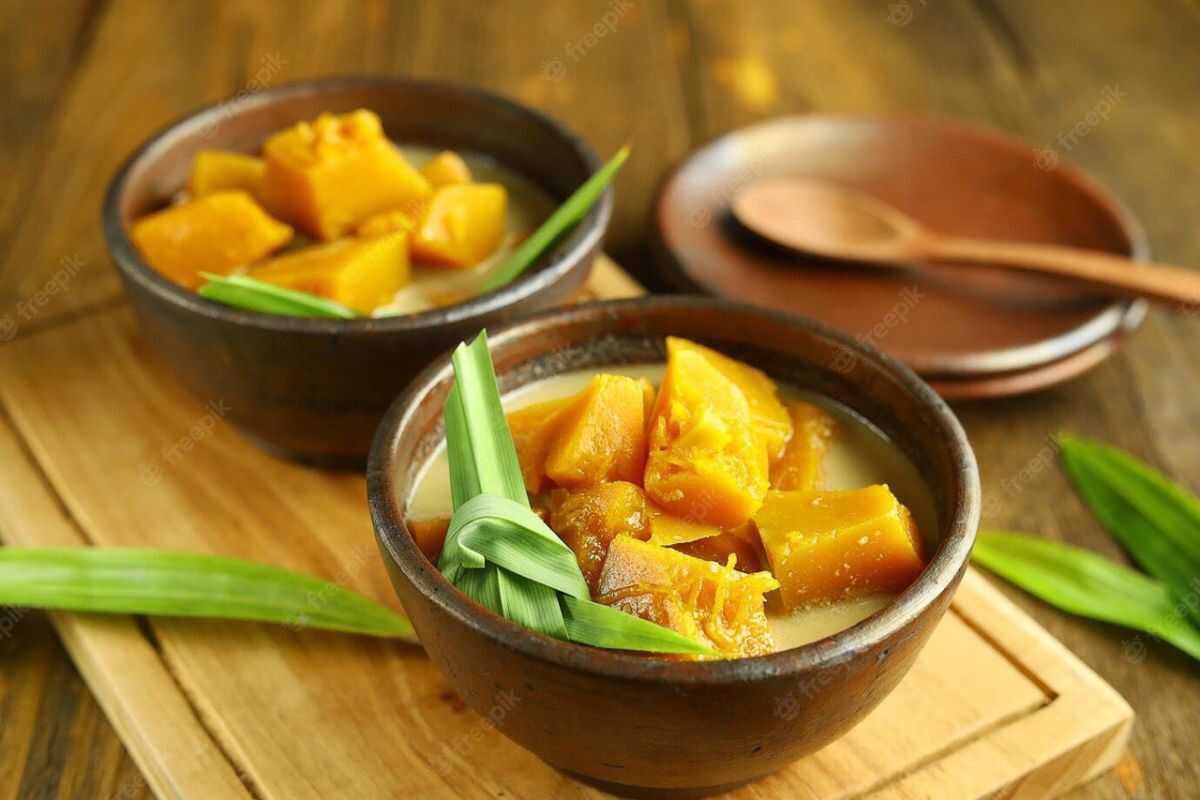
In Indonesia, sweetness often opens the iftar meal, with many people breaking their fast with kolak, made from palm sugar, coconut milk, and pandan leaves, typically containing sliced banana, sweet potato, or jackfruit.
After the sweet iftar dishes, savoury foods such as soto, satay, and lontong follow. At sahur, meals are usually rice-based, with nasi lemak, fried rice, or porridge commonly consumed.
Harees - UAE and Qatar
Harees is a dish made from crushed wheat and meat, slow-cooked until it resembles a porridge. It is highly nutritious and a staple iftar dish in the Emirates.