
Trade Ministry: Sugar Prices in Maluku-Papua 22.33% Above Reference Price
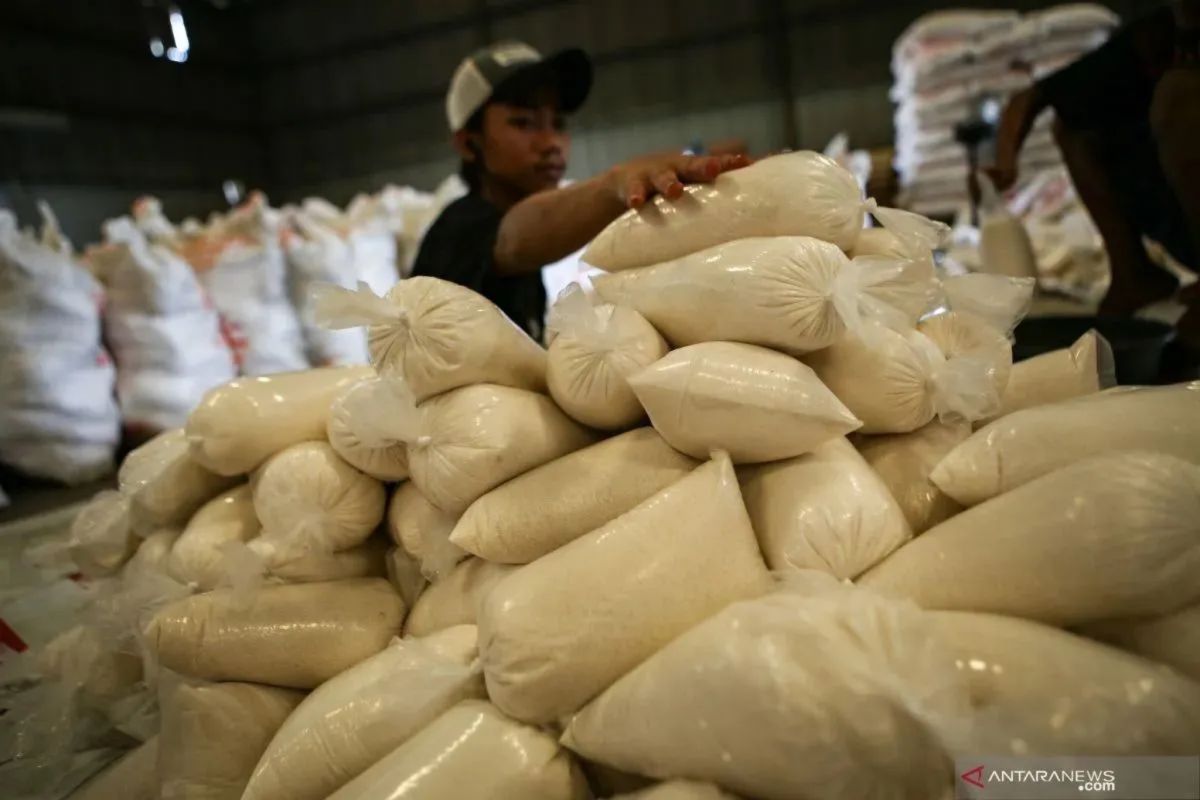
Jakarta (ANTARA) – The Ministry of Trade (Kemendag) recorded an average sugar price of Rp22,632 per kilogram in Maluku and Papua in the fourth week of October 2026, 22.33% above the reference price of Rp18,500 per kilogram.
Nawandaru Dwi Putra, director of domestic markets at the ministry’s Directorate of Domestic Trade, said sugar prices outside Maluku and Papua were also above the reference price, at Rp18,292 per kilogram, or 4.5% higher than the stipulated reference price of Rp17,500.
“Sugar prices in Maluku and Papua have reached Rp22,632 per kilogram, compared with the stipulated reference price of Rp18,500. This represents an increase of 22.33%,” Nawandaru said at a Regional Inflation Control Meeting in Jakarta on Monday.
He said sugar prices in both regions tended to have risen compared with the previous month and remained above the reference price.
Outside Maluku and Papua, the lowest sugar price was recorded in the Special Region of Yogyakarta at Rp16,621 per kilogram, while the highest was in Central Sulawesi at Rp20,031 per kilogram.
In Maluku and Papua, the lowest price was recorded in North Maluku at Rp19,700 per kilogram and the highest in the Highland Papua province at Rp33,125 per kilogram.
Nawandaru said one measure to consider to curb price increases was for state-owned food companies Perum Bulog and ID FOOD to distribute sugar in line with government-set prices.
The government should also consider providing facilities for distributing sugar to areas with relatively high prices, particularly eastern Indonesia and underdeveloped, frontier and outermost (3T) regions.
Nawandaru also called for the Government Sugar Reserve (CGP) to be used more effectively, with distribution prioritised to areas still experiencing steep price increases.
“Given the current situation, the Government Sugar Reserve should also be managed more effectively, with distribution and intervention prioritised in areas that continue to experience the largest price rises,” Nawandaru added.