
Trade Ministry opens opportunities for expanding Indonesian rice exports
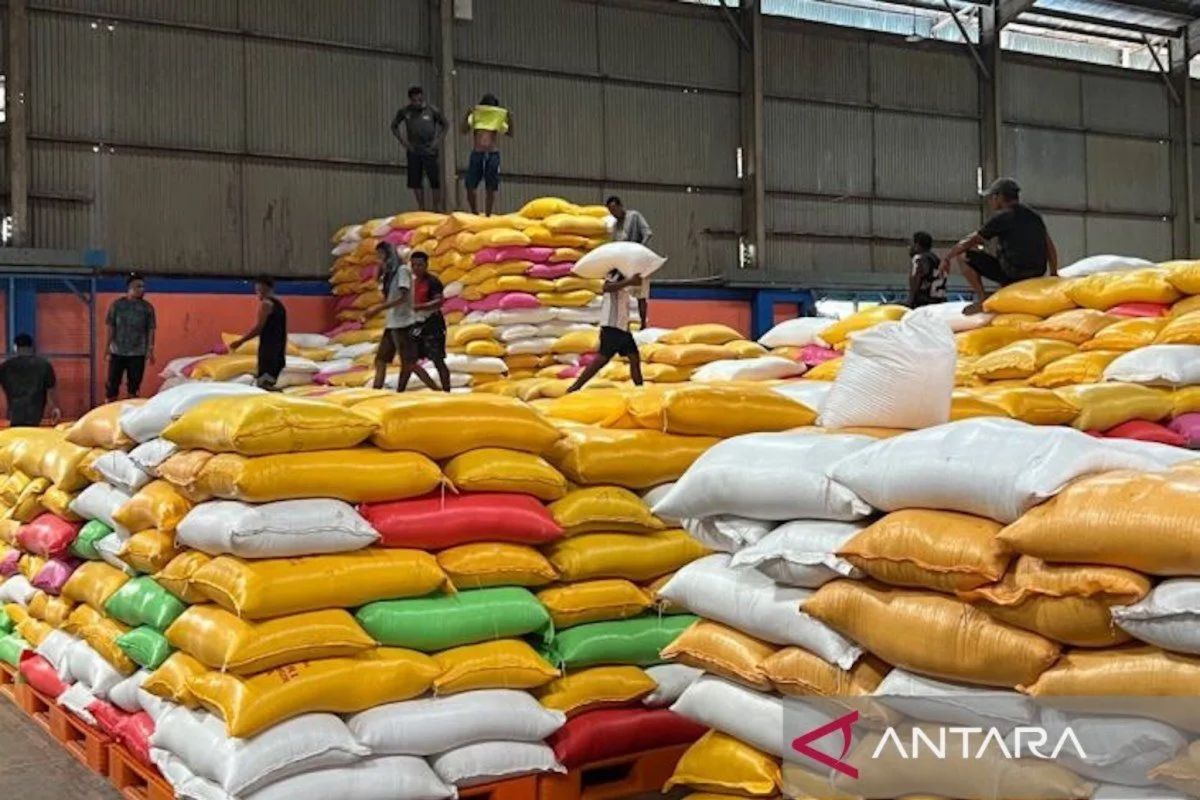
The Ministry of Trade (Kemendag) sees an opportunity to increase Indonesian rice exports by expanding the quantity and diversity of rice types that meet export requirements and have demand in international markets.
This was conveyed by the Acting Director of Agricultural and Forestry Product Exports at the Ministry of Trade, Bayu Wicaksono Putro, during a recent briefing on the new rice export regulations. He said the opportunity can be seized by increasing production of rice that matches the needs of export markets.
“If we can increase the quantity or types of such rice, we can boost exports to countries that indeed need the rice we are able to export,” Bayu said in a statement in Jakarta on Friday.
According to Bayu, the current rice export rules only apply to certain types of rice. Therefore, increasing the volume as well as diversifying the types of rice that meet export requirements is one of the opportunities the government can promote.
Rice export rules are set out in Trade Minister Regulation (Permendag) Number 12 of 2026 concerning the Fifth Amendment to Trade Minister Regulation Number 23 of 2023 on Export Policy and Regulation. The regulation takes effect on 29 April 2026.
Under the regulation, rice whose export is controlled through a licensing mechanism is listed under the HS 1006.30 commodity group. The group includes glutinous rice, hom mali, basmati, malys, other aromatic rice, and parboiled rice.
For general purposes, rice exporters are required to hold an Export Approval (PE) with a Commodity Balance requirement. This applies to state-owned enterprises, regional-owned enterprises, and private companies for the rice categories specified in the annex to the regulation, covering non-organic rice with a broken grain rate of above 5 percent up to 40 percent.
The Export Approval is valid for a maximum of one calendar year and may be used for one or more submissions of the Customs Export Declaration.
Its issuance is carried out electronically and automatically as long as the required documents are available and complete electronically at the ministries and agencies integrated with the Indonesia National Single Window (SINSW) system.
Bayu stressed that the opportunity to increase exports should be directed at rice types that genuinely have demand and needs in the international market.