
Trade Ministry Identifies 2,616 Villages with Export Potential
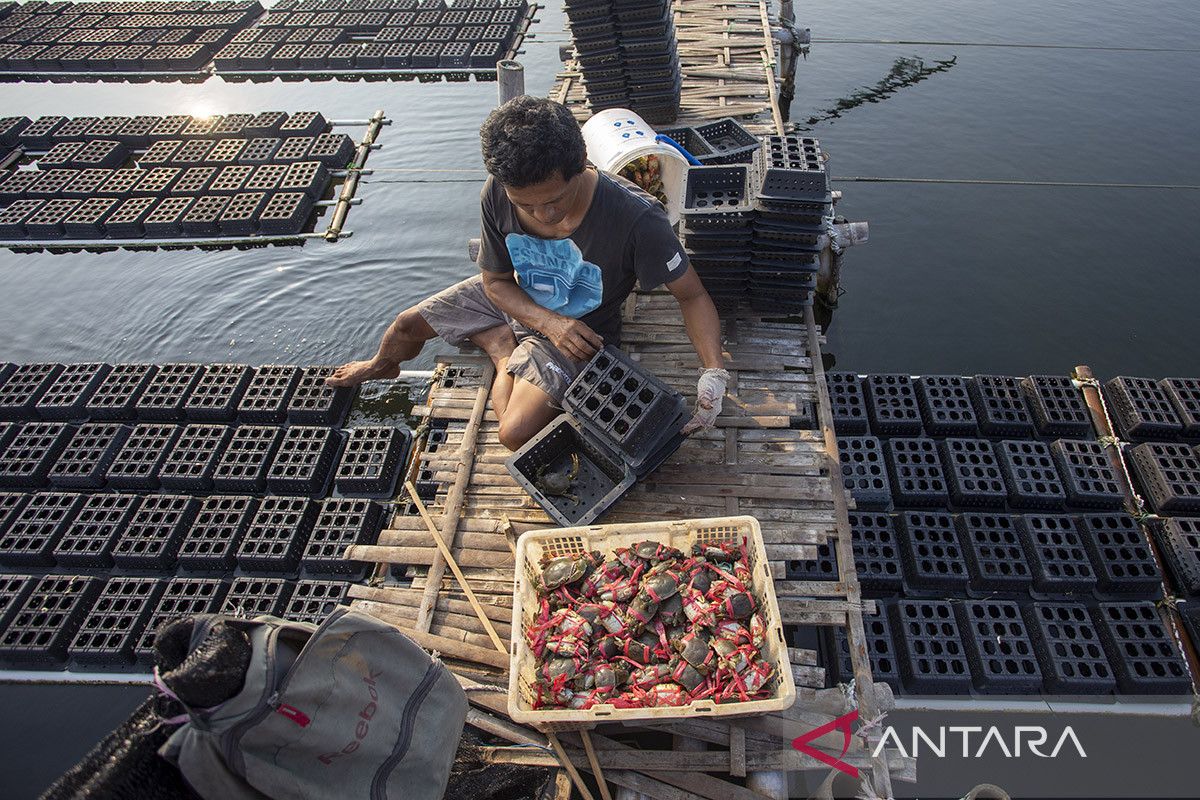
The Ministry of Trade (Kemendag) has identified 2,616 villages in various regions as part of the ‘Desa Bisa Ekspor’ programme, aimed at expanding the national exporter base and driving regional flagship products into international markets.
Ari Satria, Director of Export Development for Services and Creative Products at the Ministry of Trade, stated that the programme is one of the government’s efforts to build an export ecosystem starting from the regional level by mapping the potential of each village.
“Since many primary products are produced in villages, we are working with the Ministry of Villages through the ‘Desa Bisa Ekspor’ initiative,” Ari said in Jakarta on Sunday.
Ari explained that the identified villages are grouped based on their export readiness, allowing the assistance provided to be tailored to their specific needs.
“So far, we have identified 2,616 villages throughout Indonesia. We have clustered them into those that are truly ready to export and those that possess export potential, meaning the products are potentially viable but require further refinement,” he added.
In addition to mapping, the Ministry of Trade is also facilitating MSMEs so they do not have to deal directly with foreign buyers in the initial stages. The government is connecting them with aggregators or off-takers who can assist with the process of coaching and product marketing.
Furthermore, the Ministry continues to strengthen assistance for MSMEs to ensure they can meet the various export requirements imposed by destination countries. According to Ari, business actors need to understand various regulations, ranging from food safety certifications and Halal certificates to other standards required by each target country.
He believes this approach can increase the confidence of MSME players while strengthening product readiness before entering export markets. The government hopes that more villages will be able to develop their superior commodities into value-added export products, ensuring that the benefits of international trade are felt more widely by local communities.
“That is what we are trying to achieve. The export opportunities are certainly very wide open,” said Ari.