
Trade Ministry anticipates impact of EU and UK steel tariffs
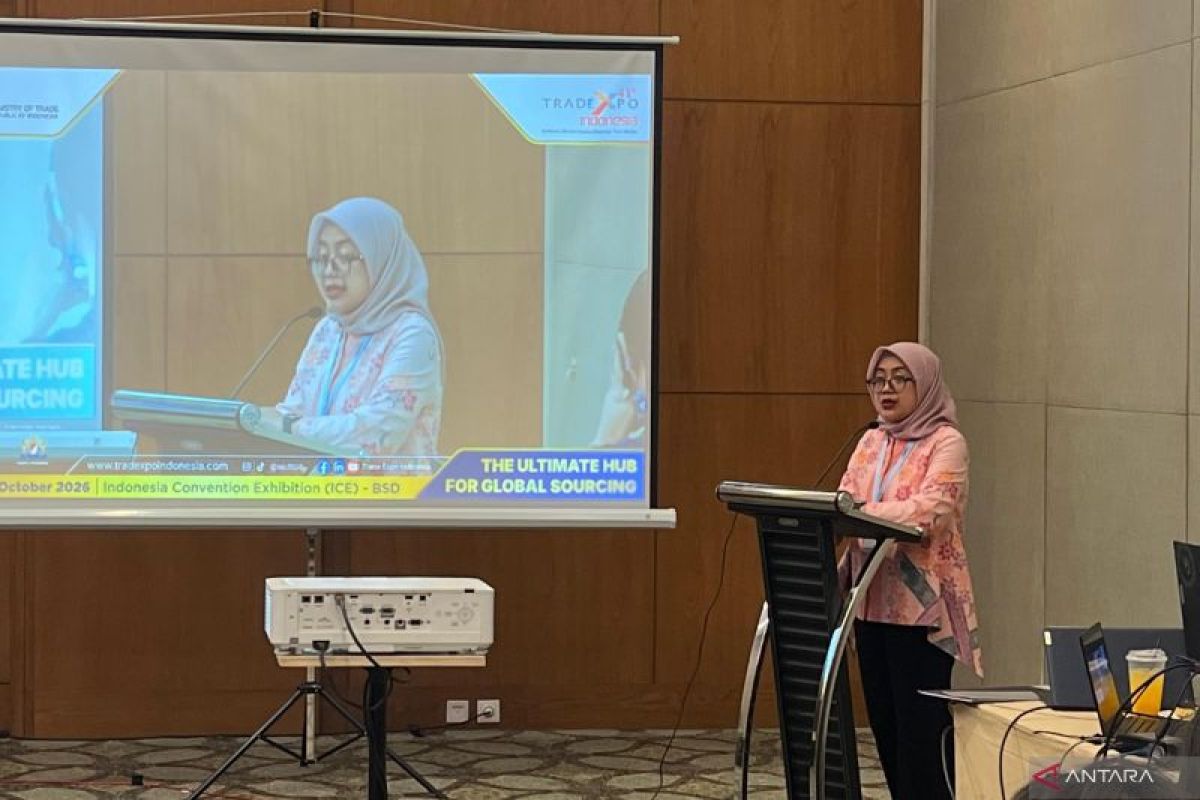
Jakarta (ANTARA) — The Ministry of Trade is anticipating the effects of changes to steel tariffs imposed by the European Union and the United Kingdom on the competitiveness and market access of Indonesian steel exports.
Dina Kurniasari, the ministry’s Director of World Trade Organization Negotiations, said changes to trade policies in partner countries—including tariff adjustments, quota arrangements and environmental standards—could affect the performance of national steel exports.
“These tariff changes will, of course, have implications for the market access and competitiveness of Indonesian steel products,” Dina said in Tangerang on Friday.
She explained that in recent years trading partners had become more active in protecting domestic industries, responding to climate change challenges and addressing production overcapacity.
This has been reflected in a range of trade policies, from tariff changes and trade remedies to measures related to the environment and decarbonisation.
Dina said the World Trade Organization (WTO) allows member countries to modify tariffs, but the process must take account of the rights of other interested members in accordance with applicable rules.
An analysis by the Trade Policy Agency (BKPerdag) identified several potential effects of changes to EU and UK steel tariffs that require attention.
First, Indonesian steel products could become less competitive because of higher prices in the EU and UK markets. Second, market access could decline owing to high tariffs, quotas and stricter environmental standards, including the Carbon Border Adjustment Mechanism (CBAM).
Third, the policy changes could increase uncertainty in global markets, requiring industry players to prepare contingency measures.
Dina said the Trade Ministry was committed to promoting international trade policies based on the principles of transparency and non-discrimination.
She said the ministry had engaged with the governments of trading partners, but negotiations needed to be accompanied by preparations for various eventualities, including a worst-case scenario in which the policy changes affected Indonesian steel exports.
The European Union and the United Kingdom have set a 50 per cent tariff on Indonesian steel products. Ismail Mandry, vice-chairman of the Indonesian Iron and Steel Industry Association (IISIA), previously said the association had 189 member companies, with steel production reaching 18 million tonnes a year.
Meanwhile, steel imports in 2024–2025 amounted to around 8 million tonnes a year, and had reached 7 million tonnes by August 2026.
Source: jawawa.id (https://jawawa.id/newsitem/trade-ministry-anticipates-impact-of-eu-and-uk-steel-tariffs-1792155285)
Originally published by Antara (Indonesian) (https://www.antaranews.com/berita/5791885/kemendag-antisipasi-dampak-tarif-baja-uni-eropa-inggris), translated from Indonesian