
Trade Minister strengthens import controls to protect national industry
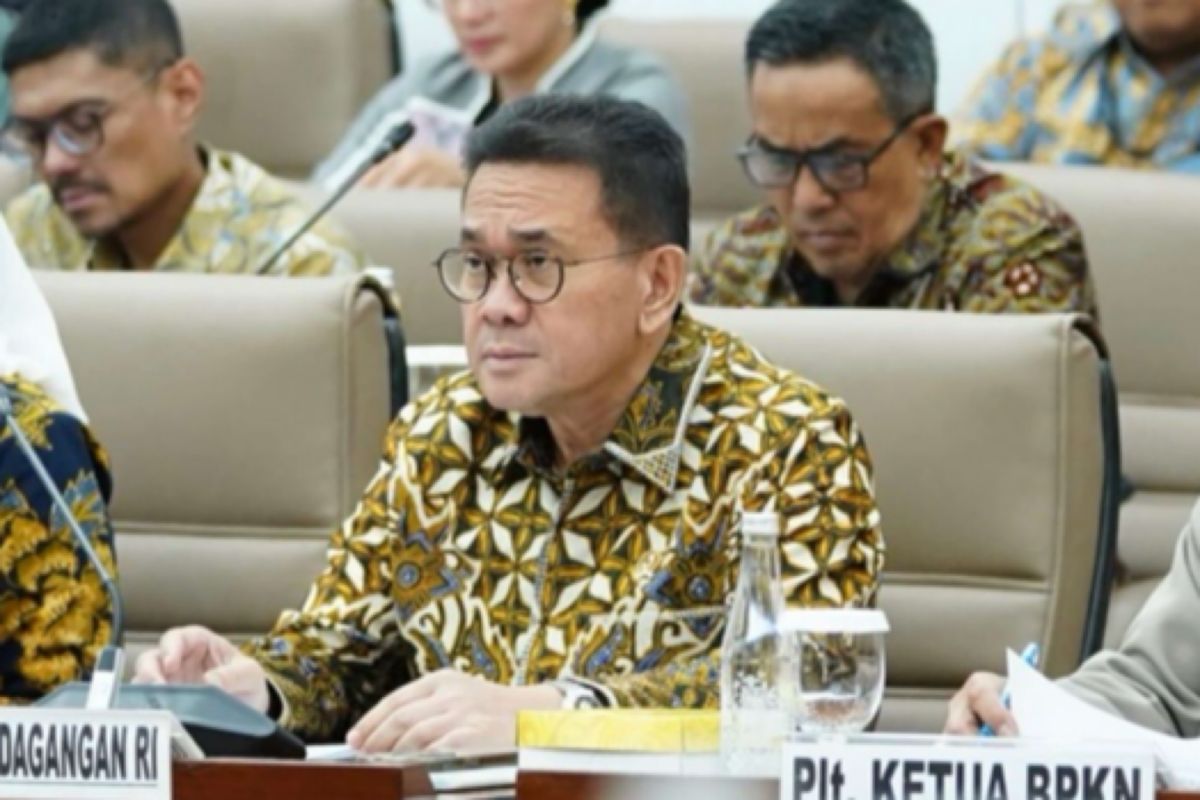
The government continues to fundamentally reform foreign trade regulations to create simpler, faster, more transparent, and integrated trade governance.
Jakarta - Trade Minister Budi Santoso stated the government is strengthening import control strategies to safeguard national industry competitiveness and foster healthy domestic trade.
He said these efforts involve revising import regulations considering domestic and global market dynamics, enhancing supervision of circulating goods, and accelerating digital transformation of trade services.
“The government continues to fundamentally reform foreign trade regulations to create simpler, faster, more transparent, and integrated trade governance,” Budi said in a statement in Jakarta on Wednesday.
Current import regulations are categorised into three main types: prohibited imports, regulated imports, and free imports. This classification aims to strengthen oversight while providing legal certainty for businesses.
Budi explained the government is tightening import licensing governance to enhance transparency and accountability. Imported goods must generally be new. Importers must possess a Business Identification Number (NIB), which serves as an Importer Identification Number (API).
“For certain commodities, importers must also hold business licences for imports and undergo technical verification by independent surveyors to ensure compliance with regulations,” he said.
Additionally, the Ministry of Trade has implemented digital trade services through integrated electronic licensing and monitoring systems. All foreign trade business licensing services are fully online via the Single Submission (SSm) system.
The ministry has introduced a maximum five-day service standard to reduce administrative barriers and improve business certainty.
Budi said these steps are part of bureaucratic reform to boost national trade efficiency and strengthen Indonesia’s investment climate and trade competitiveness.
Furthermore, Budi highlighted Indonesia’s use of trade safeguard measures to protect domestic industries. Indonesia is among the most active countries in applying safeguards, with nine cases accounting for around 25% of global cases.
“This demonstrates Indonesia’s active use of trade instruments to protect domestic industries from import surges that could disrupt national industry sustainability,” he added.