
Trade Minister opens door to amending e-commerce regulations to keep pace with developments
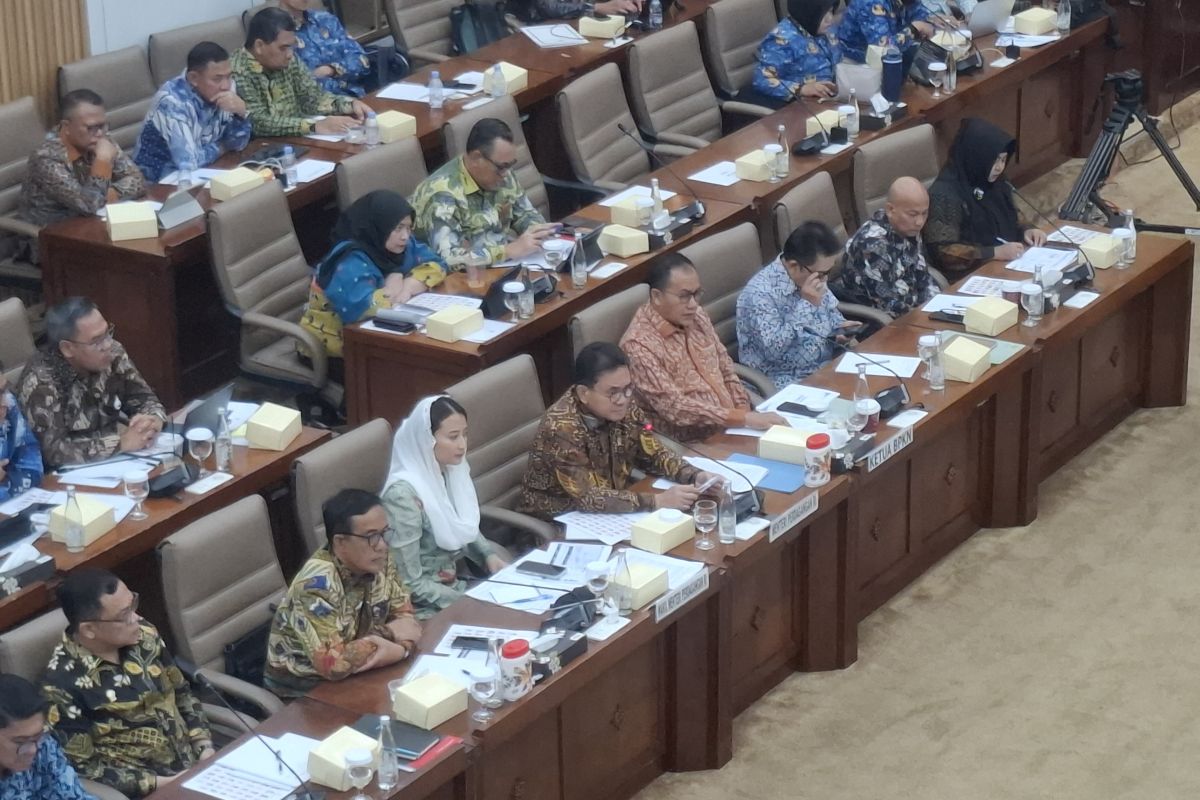
Jakarta (ANTARA) - The Minister of Trade, Budi Santoso, has opened the possibility of further amending electronic commerce or e-commerce regulations to keep pace with developments and the needs of the digital trade ecosystem.
Budi stated that the Ministry of Trade has already updated the provisions for trade through electronic systems via Minister of Trade Regulation (Permendag) Number 19 of 2026.
“If further changes are indeed required, we will implement them, because in principle, the Minister of Trade Regulation is dynamic. Therefore, whenever there is a need for change, we will continue to do so,” Budi said during a Working Meeting with Commission VI of the Indonesian House of Representatives (DPR RI) in Jakarta on Thursday.
This statement was made in response to questions from Commission VI member Mufti Aimah Nurul Anam regarding the protection of merchants on e-commerce platforms, specifically concerning fund retention periods, store closures, and objection mechanisms for sellers.
Budi noted that several e-commerce platforms have reported progress regarding the implementation of Permendag Number 19 of 2026 to the Ministry of Trade. He added that the Ministry will continue to monitor digital trade developments and adjust regulations should new needs arise within the ecosystem.
In addition to regulation, Budi stated that the government is working to build synergy between e-commerce platforms and Micro, Small, and Medium Enterprises (MSMEs).
“We are continuously fostering synergy between MSMEs and e-commerce; we are even requesting e-commerce platforms to prioritise our MSME products and protect them,” he said.
Budi added that the budget for e-commerce-related activities is included within the Ministry of Trade’s Domestic Trade Programme.
During the meeting, Mufti requested that the Ministry of Trade strengthen protections for merchants on digital platforms, including providing clarity on the duration of fund retention and the reasons for store closures.
“We request that in the future, rules are established regarding how long a seller’s money is held by them. Similarly, clear reasons must be provided as to why their stores are closed,” said Mufti.
Furthermore, Mufti called for a clearer objection mechanism for merchants against decisions made by e-commerce platforms.
“When they want to appeal, the decision is made by the platforms themselves, Sir,” Mufti remarked.
Permendag Number 19 of 2026 concerning the Implementation of Trade Business through Electronic Systems was enacted on 8 June 2026, replacing Permendag Number 3ly of 2023. The regulation covers cost transparency, complaint mechanisms, dispute resolution for merchants, and consumer protection. Under these rules, merchants have the right to submit written objections to unilateral changes, fee impositions, penalties, or any other unagreed terms. Platforms are required to respond to such objections within a maximum of 14 working days. If no response is received, the objection is considered administratively accepted and can serve as a basis for dispute resolution.
Throughout 2025, the Ministry of Trade recorded 7,887 consumer complaints, with 7,836 or 99.35 per cent originating from online transactions. A total of 7,853 complaints have been resolved, representing 99.56 per cent of total complaints received. This data was presented by Budi during the working meeting with Commission VI of the DPR RI in February 2026.
Issues regarding the retention of merchant funds were also discussed by Commission VII of the DPR RI on 8 September 2026. During that meeting, Tokopedia and TikTok Shop stated they had traced 217 sellers with total funds amounting to approximately Rp24 billion. The platforms stated that approximately Rp16.7 billion of that amount was related to cases categorised by the platforms as fraud. According to the platforms, the investigation period lasts 90 days and can be extended by another 90 days, while sellers are given the opportunity to appeal.