
Trade Minister: New E-commerce Regulations to Strengthen MSMEs and Consumer Protection
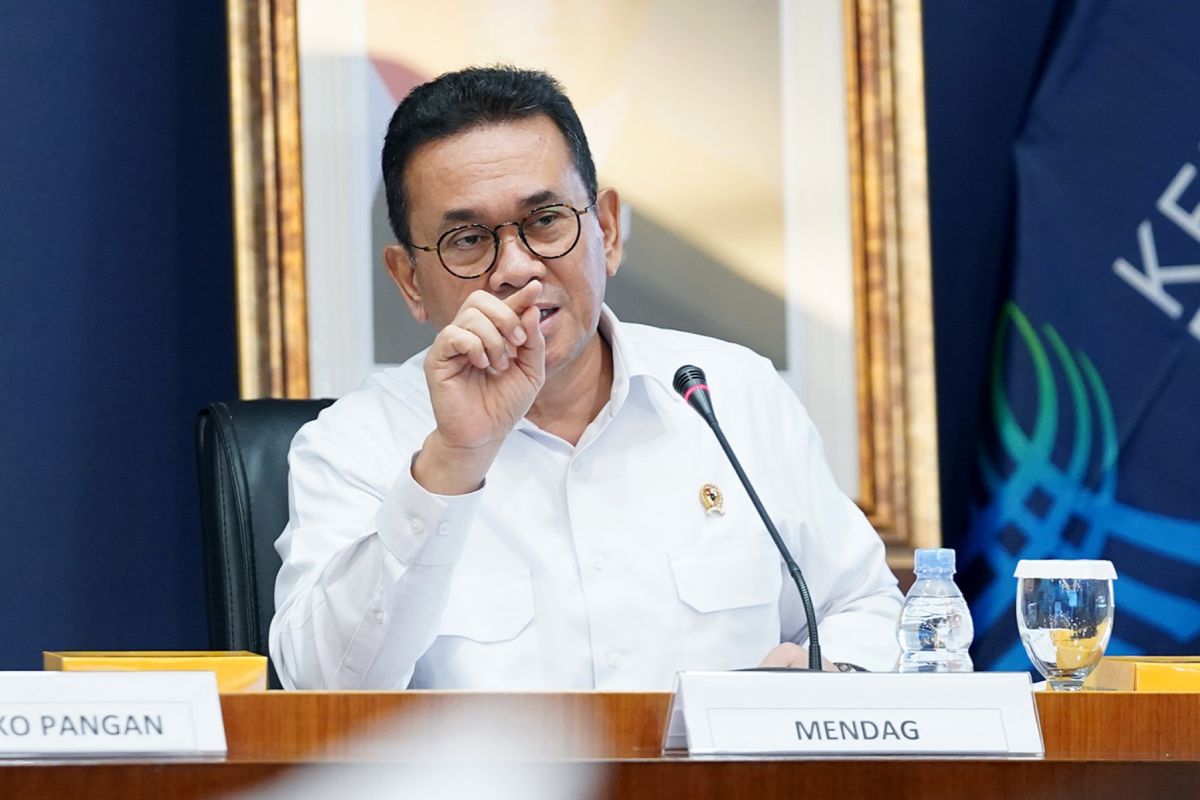
Jakarta (ANTARA) - The Minister of Trade, Budi Santoso, stated that the revision of the Minister of Trade Regulation (Permendag) regarding the implementation of trade through electronic systems (PMSE) aims to strengthen micro, small, and medium enterprises (MSMEs) and consumer protection.
Budi noted that the new PMSE regulations feature five key aspects: enhancing the visibility of local products, facilitating business legality, ensuring transparency in digital platform partnerships, strengthening consumer protection, and improving digital technology governance.
“The refinement of PMSE regulations through this new Permendrag aims to encourage a fair, healthy, and beneficial digital trade ecosystem. This is being done while considering dynamic technological developments,” Budi said in a written statement received in Jakarta on Friday.
Furthermore, he explained that the primary regulations include prioritising the visibility of domestic micro and small enterprises (MSEs) on platforms, the obligation to possess business licences, transparency regarding platform fees and promotional policies, and the provision of promotional incentives for MSEs.
The regulations also cover the provision of complaint and dispute mechanisms by platforms, the use of Artificial Intelligence (AI) in promotional and marketing activities, and protection against unfair trade practices.
Additionally, two new business models for PMSE Providers (PPMSE) have been added. The first is Ride-Hailing, defined as an electronic system in the land transportation sector that may include features for trading goods or services as additional services within the same ecosystem. The regulation for ride-hailing targets the trading of goods facilitated by the platform through the commercial features of ride-hailing applications.
“Thus, what is regulated is the transaction of buying and selling goods, not the transportation service itself,” said Budi.
The second business model is the Online Travel Agent (OTA). This model involves an electronic system for the sale or booking of travel services to consumers, either directly or through facilitated transactions between consumers and businesses selling transport tickets, accommodation, attractions, or travel packages.
Regarding the obligation for all traders on platforms to hold business licences, Budi emphasised the need for such regulation to create a more orderly and healthy digital trade ecosystem. This regulation also aims to provide legal certainty for businesses and protection for consumers.
To allow for adequate adaptation, the government has established a grace period for businesses to meet their licensing obligations. He expressed hope that the transition towards a more formal digital trade ecosystem would proceed gradually and without undue burden.
“This regulation is an initial step. We will continue to provide support through synergy, coaching, and assistance for businesses via socialisation, training, and promotion, both online and offline. A healthy digital ecosystem can be realised if we build it together,” he said.
The latest draft of the Permendag has been signed by Budi. This regulation will replace Permendag Number 31 of 2023 concerning Business Licensing, Advertising, Development, and Supervision of Business Actors in Trade Through Electronic Systems.