
Towards Energy Security: B50 Implementation in Ships Must Consider International Standards
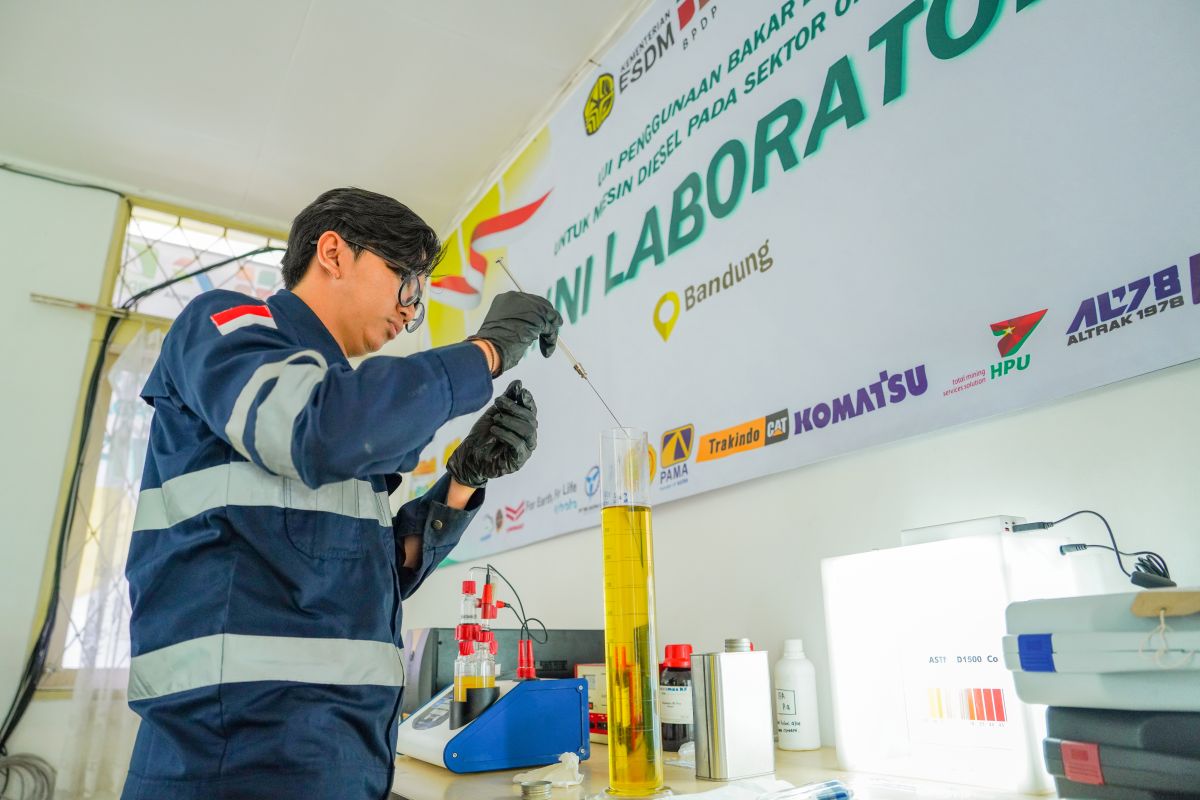
The government’s plan to implement B50 biodiesel starting 1 July 2026 has received support from the Central Board of the Indonesian National Ferry, River, and Lake Transport Association (Gapasdap). The policy is seen as a strategic step to strengthen national energy security and reduce Indonesia’s dependence on diesel imports.
However, Gapasdap has cautioned that implementing B50 in the ferry sector requires a more comprehensive study, given the different operational characteristics of ships compared to land transport.
Head of Business and Tariffs at DPP Gapasdap, Rakhmatika Ardianto, stated that ferries carry passengers and operate in dynamic water conditions, requiring continuous engine reliability. He explained that under international maritime regulations, the International Maritime Organization (IMO) stipulates that biofuel blends with a content above 30 percent must meet stricter requirements.
Referring to MEPC.1/Circ.795/Rev.9, biofuel blends up to 30 percent follow the provisions of Regulation 18.3.1 of MARPOL Annex VI. Meanwhile, blends above 30 percent must comply with Regulation 18.3.2 of MARPOL Annex VI and can only be used if they do not alter critical NOx emission components or engine operating settings beyond approved technical specifications. If these conditions are not met, proof is required that the fuel does not cause the engine to exceed applicable NOx emission limits.
Beyond regulatory aspects, Gapasdap highlighted research from the Sepuluh Nopember Institute of Technology (ITS) Surabaya on biodiesel use in marine diesel engines. Based on research by Himmawan Aan Listyanto, the use of B50 at full load triggers a 6.38 percent decrease in engine power compared to High Speed Diesel (HSD). At the same time, specific fuel oil consumption (SFOC) increases by around 6.8 percent at maximum engine speed. These findings indicate a potential decline in performance and an increase in fuel consumption with higher biodiesel content.
Other ITS studies also noted that biodiesel has higher density, lower calorific value, greater fuel consumption, and the potential to increase NOx emissions. For ferries, a lower calorific value means fuel consumption could become more wasteful.
Another concern is fuel stability during storage. Biodiesel is more susceptible to degradation due to hydrolysis, oxidation, thermal decomposition, and bacterial contamination. In one test, pure B50 experienced a 29.61 percent increase in acid number and a 2,900 percent increase in bacterial colonies after six weeks of storage. This condition could affect fuel quality in ship tanks, settling tanks, service tanks, pipes, separators, and filters.
Gapasdap also reminded that Fatty Acid Methyl Ester (FAME), the mixing component in HSD, has solvent properties that can increase sludge formation and trigger fuel filter blockages, especially during the initial usage phase. If the filter becomes clogged, the fuel supply to the engine could be disrupted, causing weakened engine power or complete engine shutdown. The consequences for ships are far more serious than for land vehicles. A loss of power at sea can result in a loss of manoeuvrability, increasing the risk of collision, grounding, or other shipping accidents when facing strong currents, narrow channels, or when approaching a dock.
From an operational perspective, the implementation of B50 is also expected to increase costs through higher fuel consumption, more frequent filter replacements, tank cleaning, separator adjustments, additive usage, provision of additional spare parts, and increased maintenance needs. These costs cannot be separated from safety standards, as operators are still required to maintain engine reliability and service safety. This situation is further exacerbated by the fact that current ferry tariffs do not yet reflect actual operational costs. Based on 2019 Cost of Goods Sold calculations, tariffs still lag behind real cost requirements by approximately 31.8 percent. With the implementation of B50, the gap between tariffs and costs is likely to widen further.
Therefore, Gapasdap hopes that the government will not only promote the use of B50 as part of the energy transition but also consider its impact on the sustainability of ferry services through tariff adjustments. This step is crucial to ensure operators can continue to meet safety and service quality standards as mandated by Law Number 17 of 2008 on Shipping.