
Tourism Villages Require Youth Involvement to Develop Local Potential
The involvement of the younger generation is considered a crucial factor in driving the sustainable development of tourism villages. In addition to introducing innovation, young people are seen as capable of helping communities utilise digital technology, strengthen the creative economy, and preserve local culture to ensure it remains relevant amidst changing times.
This role is becoming increasingly important given that many tourism villages in Indonesia possess great potential that has not yet fully developed due to various challenges, ranging from limited digital promotion and low youth engagement to the suboptimal integration between the tourism, culture, and micro, small, and medium enterprise (MSME) sectors.
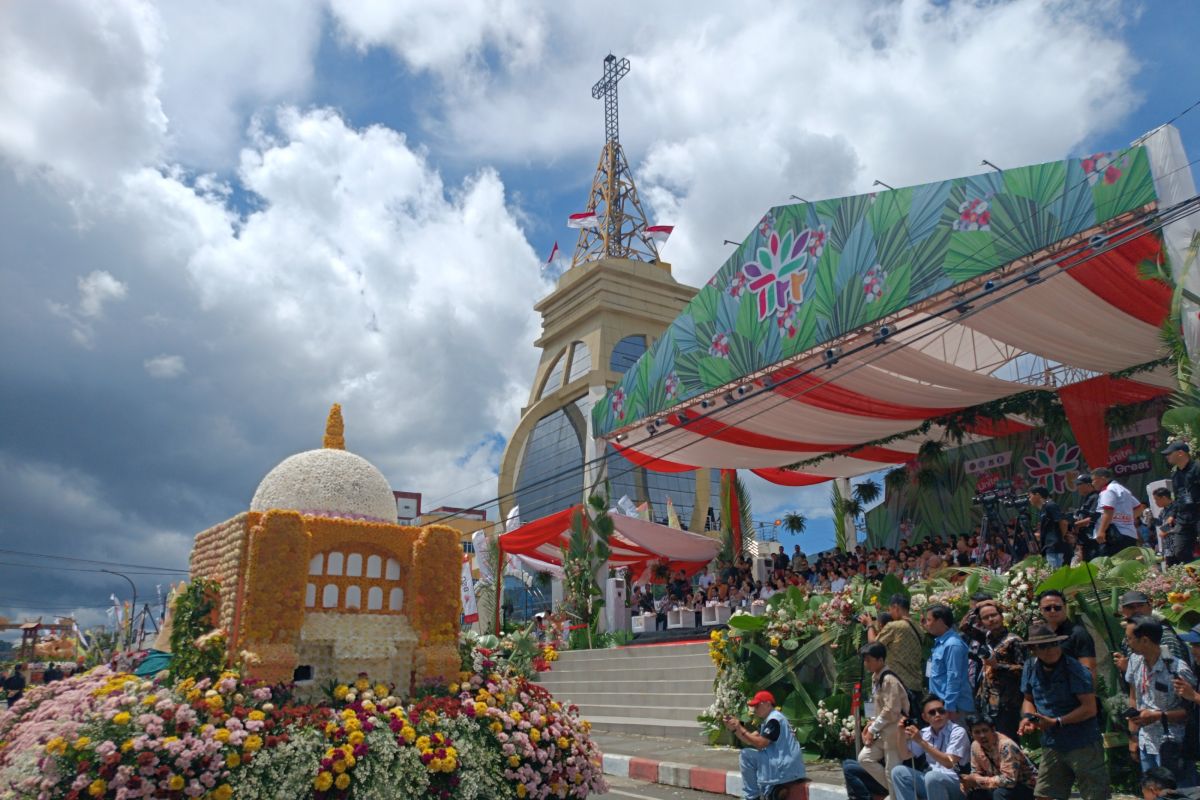
One village with such potential is Kakaskasen Dua Village in Tomohon City, North Sulawesi. The village, which received the 202_ Indonesian Tourism Village Award, is known for its cool highland panoramas, religious tourism, flower cultivation centres, and rich local culture and history. Located between Mount Lokon and Mount Mahawu, the village is also known as the centre for the Tomohon International Flower Festival (TIFF), an international-scale flower festival held annually.
Despite its advantages, Kakaskasen Dua Village still faces several challenges, including strengthening the digital capacity of the community and MSME players, developing sustainable tourism concepts, improving village branding and promotion, preserving local culture, and increasing community awareness of healthy lifestyles.
In response to these conditions, two student teams from the University of Indonesia and Binus University are competing in the ‘Genera-Z Berbakti 2026’ programme, offering various community service ideas to support the village’s development. The ‘Katalis’ team from the University of Indonesia proposes an integrated concept for strengthening the tourism sector and empowering MSMEs. They offer three main programmes: Artha-Floria, involving training in eco-print products and eco-friendly packaging; Nature Experience, focusing on wellness tourism development and increasing the capacity of tourism actors; and the creation of a tourism village website featuring interactive story maps through the ‘Cerita Desa Wisata Kakaskasen Dua’ programme.
Meanwhile, the ‘Aksara’ team from Binus University highlights the importance of cultural regeneration and strengthening the local economy. They propose the formation of a youth community through the ‘Youth Cultural Initiative’ for cultural preservation, the ‘Klaster Bersama Matuari’ programme for MSME assistance, and the development of the ‘Minaesa Platform’ as a means to integrate the village’s economic and cultural sectors.
Hera F. Haryn, Executive Vice President of Corporate Communication & Social Responsibility at BCA, stated that the Genera-Z Berbakti programme serves as a platform for the younger generation to collaborate directly with the community to create relevant solutions for regional development. “Genera-Z Berbakti is a space for visionary young people to collaborate directly with the community. We hope the innovations brought by the teams from the University of Indonesia and Binus University can optimise the potential of nature tourism, the creative economy, and culture in Kakaskasen Dua Village,” she said.
According to Hera, the programme is also part of an effort to prepare a younger generation possessing leadership, integrity, and social concern to support the realisation of ‘Indonesia Emas 2045’. Both teams will present their best proposals to compete for the opportunity to implement their programmes directly in Kakaskasen Dua Village. In addition to the jury’s assessment, the community can also provide support through a voting mechanism via BCA’s official Instagram account until 5 July 2026.