
Tourism Safety Programme Deemed Relevant to Strengthen Bromo Security
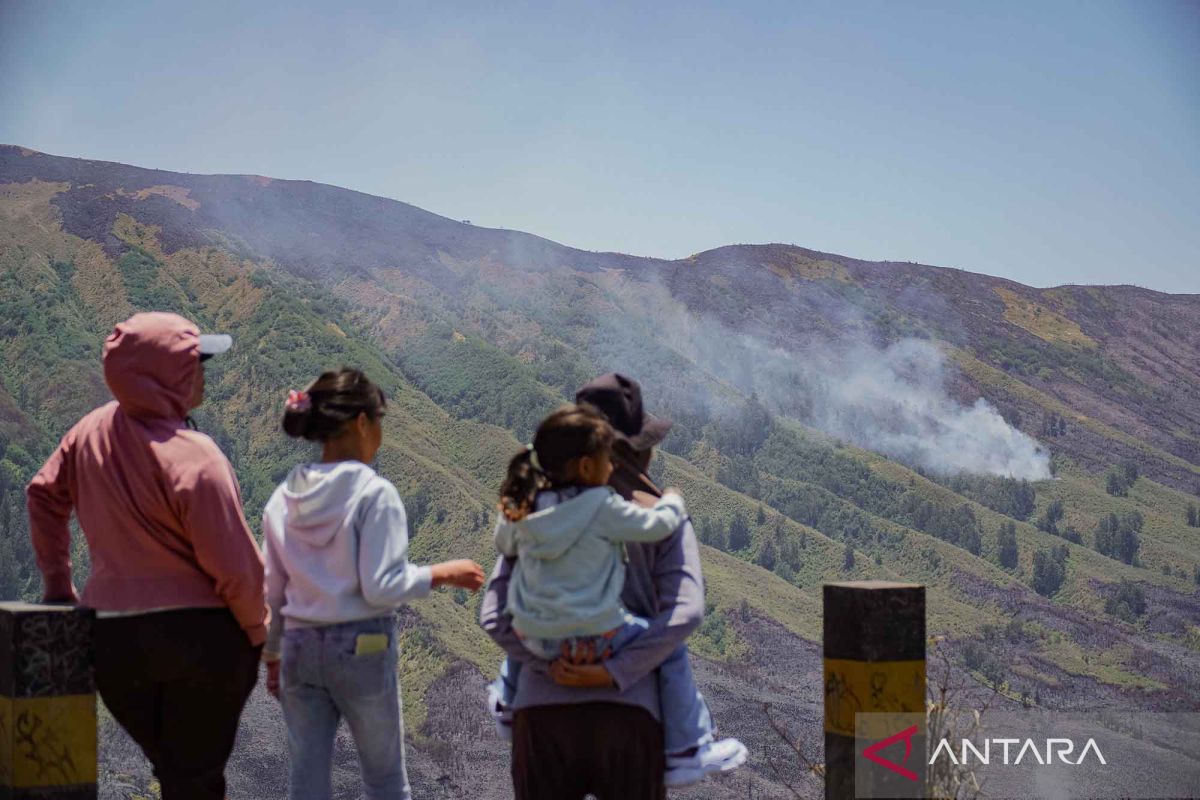
Jakarta (ANTARA) - Tourism expert from Andalas University, Sari Lenggogeni, believes the Ministry of Tourism’s Tourism Safety Programme is highly relevant for strengthening safety management at tourist destinations, including the Mount Bromo area, which faces significant fire risks.
“I view the Ministry of Tourism’s Tourism Safety Programme as a very relevant step. The Ministry’s flagship programmes for 2026 include competency-based training, guide certification, tourist education, safety guidelines for businesses, and the mapping of disaster-prone destinations,” Sari stated when contacted by ANTARA in Jakarta on Thursday.
Sari noted that the Ministry of Tourism has also prepared technical guidelines for implementing destination risk management and crisis management modules. However, she believes the next stage is to transform safety from mere guidelines into a comprehensive system.
For high-risk destinations such as Bromo, Sari proposed the implementation of a destination risk dashboard. This system would utilise data regarding weather, vegetation drought, wind speed, hotspots, visitor capacity, and tourism activities to generate daily risk statuses.
Sari also emphasised the importance of delivering safety information directly to tourists and tourism stakeholders. This information must not remain solely at the ministerial or management level; it must reach tourists, jeep operators, guides, hotels, homestudies, travel agents, and the local community in a timely manner via digital tickets, QR codes, WhatsApp, social media, signage, and entry points.
“In tourism, safety is part of destination quality. A destination that dares to limit visits when situations are unsafe demonstrates that it is being managed professionally,” she said.
Regarding fire response, Sari urged managers to strengthen the ‘golden period’ principle in crisis response, as the first few minutes determine whether a fire can be contained or will escalate into a destination-wide crisis.
She suggested that every high-risk area should have a simple and operational tourism emergency protocol. This should include designated decision-makers, procedures for evacuating tourists, determined evacuation routes, protocols for contacting fire departments or relevant agencies, methods for informing tourists and the media, and the authority to close and reopen areas.
Sari also warned against the pressure to reopen destinations too quickly just to chase visitor numbers. Reopening, she argued, must be based on risk assessment rather than tourist targets.
“Bromo is a world-class natural destination. Therefore, the management paradigm must shift from managing tourists to managing risk and resilience,” she remarked.
According to Sari, recent fires could serve as a momentum to strengthen Bromo’s resilience as a destination capable of predicting risks, protecting tourists, preserving the ecosystem, and safeguarding local livelihoods.
“The measure of Bromo’s recovery success is not how quickly tourists return, but how safely Bromo is reopened, how quickly the local economy recovers, and whether the risk of the next fire is reduced,” she added.
A fire occurred in the Bromo area again on Thursday (10/09/2026). The first fire was detected around 16:30 WIB in the Pengol Savanna and subsequently spread towards Mount Kursi. Strong winds contributed to the spread of the flames, while the cause of the fire remains under investigation.