
Tourism Ministry targets halal certification for MSME products in 1,500 tourist villages
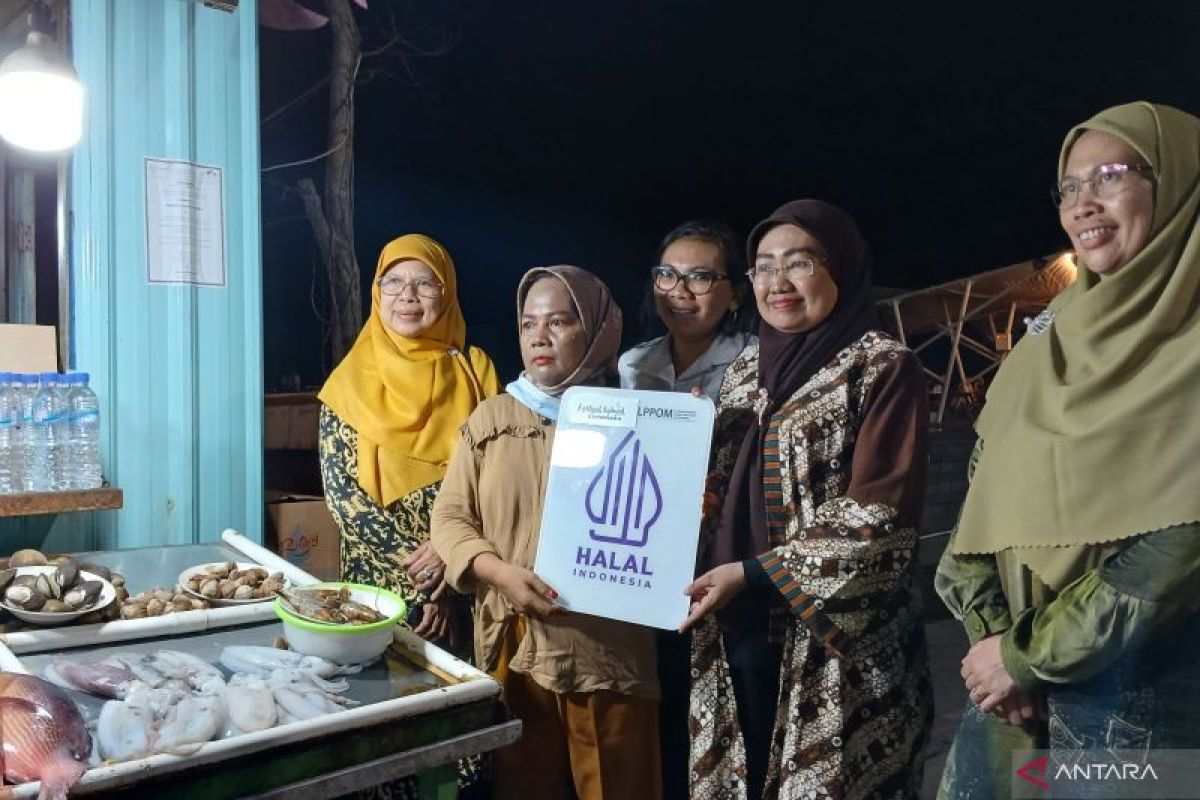
Jakarta (ANTARA) – Tourism Ministry spokesperson Nia Niscaya said the government aims this year to obtain halal certification for MSME products in 1,500 tourist villages.
“This year, the Tourism Ministry is targeting halal certificates for MSME products in 1,500 tourist villages. This target was set because tourist villages are at the forefront of community-based tourism and have direct links to local culinary supply chains,” Nia told ANTARA in Jakarta on Thursday.
According to integrated data from the Tourism Ministry and the Halal Product Assurance Agency (BPJPH), as of 31 July 2026, 31,729 halal certificates had been issued across 1,120 tourist villages in 34 provinces throughout Indonesia.
She said the figure represented significant progress in strengthening the country’s tourism infrastructure. The ministry is therefore seeking to accelerate progress towards the remaining target by building the capacity of tourism awareness groups (pokdarwis) in tourist villages classified as advanced and independent.
“Our intervention focuses on the grassroots level at destinations. We connect businesses and tourism awareness groups in tourist villages with information on how to access the Free Halal Certification Programme (SEHATI). We are also actively providing institutional support and organising culinary centres in tourist villages so that their management and cleanliness meet BPJPH’s certification requirements,” she said.
These efforts are being undertaken ahead of the implementation of mandatory halal certification by BPJPH, as stipulated in Law No. 33/2014 and Government Regulation No. 42/2024.
The ministry is also providing assistance, education and outreach to tourism MSMEs in various regions about the benefits of offering products and services that meet halal standards and are certified by BPJPH. The ministry hopes certification will improve the competitiveness of Muslim-friendly destinations and open up wider market opportunities.
Nia said the ministry still faced challenges in expanding the accelerated halal certification programme. These included limited knowledge and awareness among tourist-village MSMEs about the importance of halal certificates, as well as difficulties in meeting business legalisation requirements.
From an infrastructure perspective, meeting halal prerequisites often requires standardised sanitation and reliable clean-water supplies at local production centres, areas where the ministry says further improvements are needed.
Nia also cited concerns among non-MSME businesses, including restaurants and hotels in the tourism industry, that certification would place a financial burden on their operations.
At the same time, she said halal certification was not a way to create new problems for the tourism sector, nor was it intended to compel particular groups to follow Islamic teachings.
In destination management, the ministry instead wants to ensure that Muslim-friendly amenities, such as clean prayer rooms and designated halal food areas, are designed to blend harmoniously with local architecture and identity.
Examples include Bali, Lake Toba and Labuan Bajo. These facilities are intended solely to meet Muslim visitors’ basic comfort needs, without reducing space for or imposing cultural practices on non-Muslim visitors or local Indigenous communities.
“In other words, the development of Muslim-friendly tourism focuses on meeting basic needs, such as places of worship, clean sanitation and the availability of halal food, to ensure Muslim visitors’ comfort,” Nia added.
Source: jawawa.id (https://jawawa.id/newsitem/tourism-ministry-targets-halal-certification-for-msme-products-in-1-500-tourist-villages-1791456968)
Originally published by Antara (Indonesian) (https://www.antaranews.com/berita/5777133/kemenpar-targetkan-produk-umkm-1500-desa-wisata-tersertifikasi-halal), translated from Indonesian