
Tourism Minister: Tourism development must ensure environmental sustainability
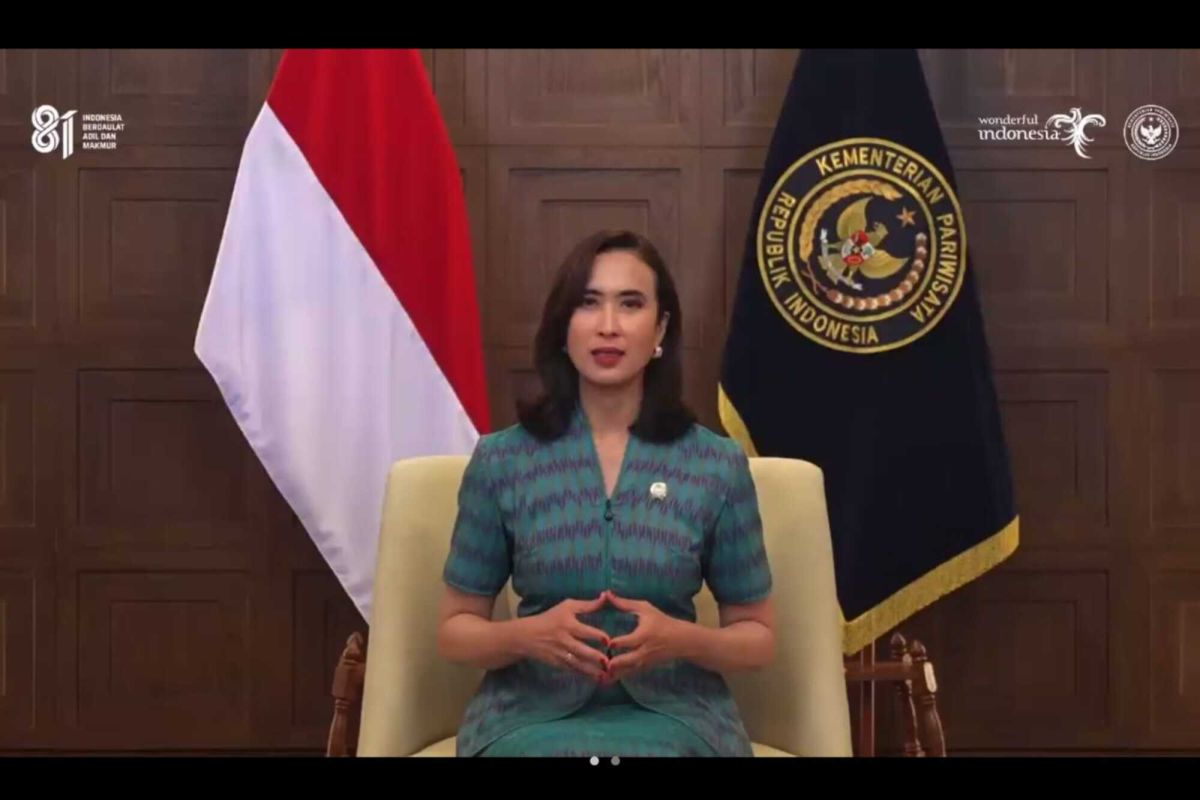
Tourism Minister Widiyanti Putri Wardhana has emphasised the importance of ensuring that tourism sector development benefits communities, protects the environment, and improves the quality of the tourist experience.
“Indonesia possesses natural wealth, culture, and a diversity of destinations that constitute a major strength for national tourism. Therefore, tourism development cannot merely pursue growth; it must ensure benefits for the community, safeguard the environment, and enhance the quality of the tourist experience,” Widiyanti said in an official statement confirmed in Jakarta on Friday.
Widiyanti believes that a measurable, data-based sustainable tourism approach oriented towards enhancing destination capacity should serve as the benchmark for national tourism development.
She stressed that collaboration between the central government, regional governments, businesses, academics, community groups, and development partners is becoming increasingly important.
To that end, the Ministry of Tourism is collaborating with the Indonesia Sustainable Tourism Council (ISTC) to hold the fifth series of the Sustainable Tourism Development Forum (STDev Forum), themed “Quality Tourism as a Manifestation of Sovereignty: From Challenges to Collaborative Action”, as a space for cross-stakeholder collaboration to strengthen the implementation of quality and sustainable tourism in Indonesia.
“ISTC plays a strategic role in maintaining standards, strengthening capacity, and consolidating the implementation of sustainable tourism at the national level. This fifth STDev Forum serves as a space to strengthen networks, share good practices, and produce concrete solutions for Indonesian tourism,” she said.
The Dean of the Faculty of Tourism at Pelita Harapan University (UPH), who is also Chairperson of HILDIKTIPARI, Diena Mutiara Lemy, said Indonesian tourism needs to transform from an extractive mass tourism model towards a more adaptive tourism ecosystem.
According to her, pressure on carrying capacity is beginning to be visible in a number of leading destinations.
“It is important to emphasise that mass tourism is not entirely negative. Mass tourism is a form of tourism that enables affordability for many groups. So, mass tourism does not need to be eliminated, but rather needs to be reconstructed, particularly in its extractive aspects,” said Diena.
Diena offered the ALCIS framework as one approach to managing the tourism ecosystem in an integrated manner.
The framework consists of five pillars: attractiveness, which prioritises the quality of experience over the mere quantity of attractions; localness, which focuses on strengthening local communities so that the tourism value chain continues to benefit the public.
Then competitiveness, to create value-added competitiveness capable of attracting quality visits; inclusiveness, to ensure tourism is accessible and provides benefits for all levels of society; and sustainability, as the foundation that binds all these pillars together.