
Torn Magazines, Yellowed Books: Portrait of Neglected Mini Libraries in Jakarta
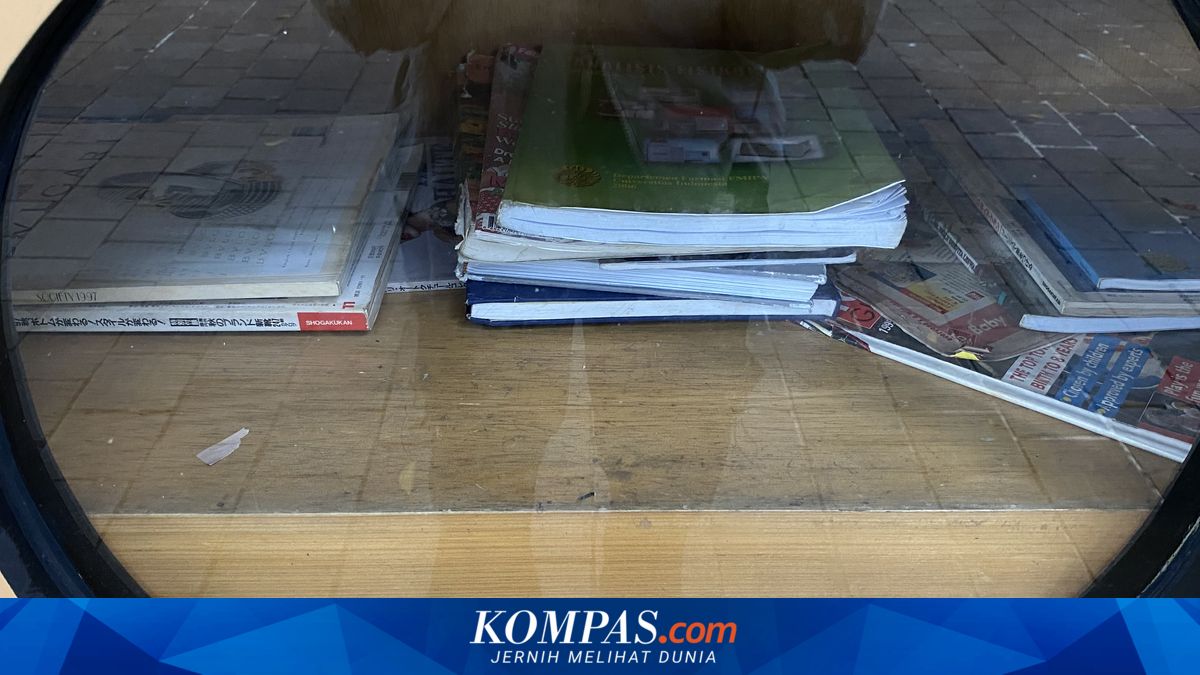
JAKARTA, KOMPAS.com - The existence of mini libraries in several city parks in Jakarta is essentially intended as an accessible literacy facility for the public. Amid open spaces bustling with recreational activities, these facilities are expected to serve as an alternative for more educational pursuits, from casual reading to introducing books to children. However, based on Kompas.com’s observations on Thursday (23/4/2026), the situation on the ground shows that this function is not yet operating optimally. The design is quite appealing, resembling a box with a round window on the front that allows visitors to see the contents inside. Visually, the facility appears designed to attract attention. However, upon closer inspection, the book cabinet is in a locked condition. From behind the glass, a number of books are visible on the shelves, but they are in poor condition. Several books and magazines appear crumpled, yellowed, and not neatly arranged. There is no information regarding operating hours or borrowing mechanisms accessible to visitors. During the observation, no staff were seen specifically supervising or maintaining the facility. Passing visitors merely glanced briefly without being able to access the library’s contents. A similar situation was found at Taman Suropati in Central Jakarta. The mini library in this park is also locked. In fact, the condition of the book collection inside appears even more concerning. Several books look torn, while magazines on the lower shelf appear severely damaged, with folded and ripped pages. There are no signs of maintenance efforts or reorganisation of the collection. Around the location, visitor activities are dominated by casual pursuits, chatting, or light exercise. Reading activities near the mini library are almost non-existent. The park is bustling with residents’ activities, from families to children playing. However, the mini library does not become a focal point. Most visitors utilise the park as a space for recreation and socialising. The mini library seems present but not truly utilised. From these three locations, it is evident that the mini libraries are not functioning maximally as public literacy facilities. In addition to the poorly maintained physical condition of the collections, limited access due to the locked cabinets is the main obstacle. The available book collections also appear not to be updated regularly. Some books look outdated and no longer relevant, while others are damaged due to age or possible exposure to weather. Several visitors encountered by Kompas.com shared their views on the condition of the mini libraries. They stated that parks, as relaxing spaces for the public, should offer alternative activities beyond using mobile phones or just chatting. “When I saw it, I was initially interested because of its cute design and strategic location. But when I got closer, it turned out to be locked, so I was a bit disappointed,” said Annes when met by Kompas.com at Tebet Eco Park on Thursday. She assessed that if the concept is aimed at the public, access should be opened. Visitors, according to her, could read on-site and return the books afterwards.