
Tolerance: Cap Go Meh Peak Schedule in Samarinda Adjusted for Ramadan
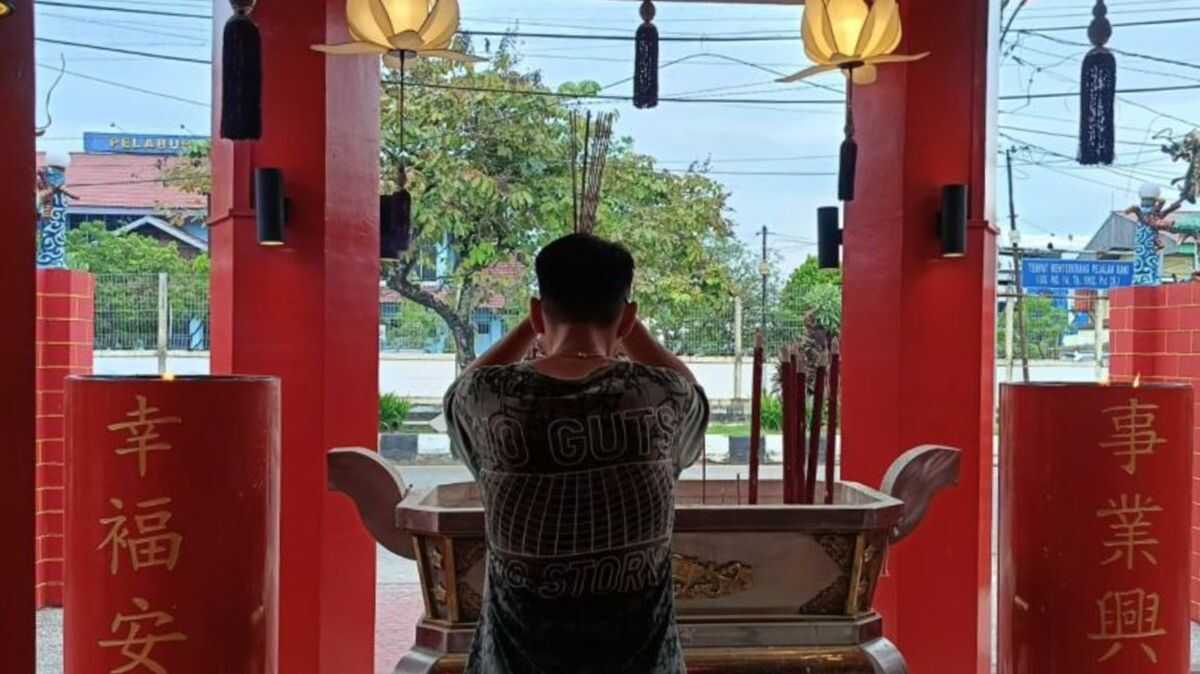
Thien Ie Kong Temple in Samarinda, East Kalimantan, has changed the schedule of its lion dance performance during the peak of Cap Go Meh 2026 celebrations to daytime hours. The decision was taken as a gesture of tolerance towards Muslims observing evening worship during the holy month of Ramadan.
Hansen, an administrator of Thien Ie Kong Temple, explained that the shift in performance timing was made because this year’s Chinese New Year celebrations coincide with the start of Ramadan. The fasting month is expected to begin on 18 February 2026.
“As fellow religious communities, we practise mutual tolerance, so activities are arranged so as not to disturb those observing the fast,” said Hansen in Samarinda on Monday (16 February).
The lion dance performance, usually held in the evening in the temple’s rear courtyard, will now take place and conclude before the breaking of the fast at Maghrib prayer time.
The temple administration is currently coordinating with the Indonesian Lion Dance Sports Federation (FOBI) to arrange the technical details so that the performance remains solemn and well-organised.
Hansen added that physical preparations at the oldest temple in East Kalimantan, which is 121 years old, have also been carried out to the fullest extent. The iconic building on Jalan Yos Sudarso has been adorned with incense to welcome the thousands of worshippers expected to visit.
“Cleaning and repainting of the building has been intensified by the administrators since 5 January 2026 for the comfort of visitors,” Hansen said.
The cleaning of eleven deity statues and the replacement of their ceremonial garments was completed on 25 January 2026. Interior decorations have also been enhanced with imitation cherry blossom trees and the installation of approximately 200 neatly arranged lanterns.
Chinese New Year 2577 Kongzili, which falls on 17 February 2026, marks the beginning of the Year of the Fire Horse, a symbol of dynamic movement and renewal.
Special ornaments themed around the horse zodiac have been installed in the temple’s main hall as a symbol of hope for those who are able to adapt to change.
Temple administrators predict that visitor numbers will surge to as many as 6,000 people during the celebrations. Visitors are expected to come not only from Samarinda but also from Balikpapan and surrounding areas.
The main prayer schedule begins on 16 February from 20:00 to midnight WITA, continuing on 17 February from 07:00 WITA onwards.
Open to the public, Hansen invited the community to visit, enjoy the cultural atmosphere, and take photographs to enliven the celebrations.