
Tofu and Tempeh Makers Reap Windfall from Free Nutritious Meal Programme
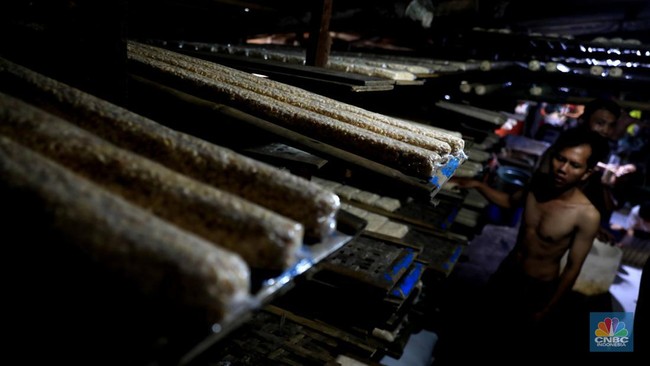
Jakarta, CNBC Indonesia – The Free Nutritious Meal programme (MBG) has brought fresh impetus for tofu and tempe producers. The Indonesian Tempe and Tofu Producers Cooperative Association (Gakoptindo) recorded that demand for tofu and tempe products has risen by around 20% following the programme’s resumption.
Gakoptindo Secretary General Wibowo Nurcahyo said that when the MBG programme was suspended, tofu and tempe sales were significantly affected. Conditions, however, began to improve once the programme resumed.
“We were indeed affected by the MBG situation. When MBG stopped, sales fell very drastically. Thankfully, with MBG running again and BGN now having new leadership, we hope things will get better. Thank God, sales have started to pick up,” Wibowo told CNBC Indonesia on Friday (24/7/2026).
According to him, the benefits of MBG are felt not only by tofu and tempe producers, but also by other food businesses such as egg farmers. This is because tofu and tempe feature routinely on the menus of the programme’s meal packages.
“It was very noticeable. Not just tofu and tempe – eggs too. MBG has had a good impact on tofu and tempe because they are regularly included in the children’s meal trays. That has been beneficial,” he explained.
Based on reports received by Gakoptindo from its members across various regions, the implementation of MBG has driven a production increase of around 20%.
“The increase is 20%. From the data we received, producers have seen a 20% rise in production,” he said.
He assessed that the impact of the MBG programme on tofu and tempe businesses has been keenly felt.
“Very much so, very much,” he said.
On the other hand, Wibowo was adamant that the controversy over fictitious MBG kitchens has had no effect on the supply of tofu and tempe channelled to official kitchens. According to him, problematic kitchens were never actually operating, and therefore never drew raw materials from producers.
He said he understands the situation because he also chairs a foundation that oversees a number of MBG kitchens.
“Yes, because I am the chairman of the foundation that oversees these kitchens, so I understand these matters. If we work on the right path, thankfully things go well. Kitchens that are fictious obviously do not produce anything. So the increased demand for tofu and tempe comes from official, established kitchens,” Wibowo explained.
Although demand has begun to recover thanks to MBG, Gakoptindo cautioned that producers’ challenges are not entirely over. They still face rising production costs across the board – logistics, fuel, and packaging – while selling prices for tofu and tempe are difficult to raise given the public’s limited purchasing power.
“If we raise prices, no one will buy,” he remarked.
Producers therefore hope the MBG programme will continue consistently, so that demand for tofu and tempe remains stable and supports the survival of their members’ businesses.