
Today Predicted to Peak in Long Weekend Return Flow with 202,691 Train Passengers
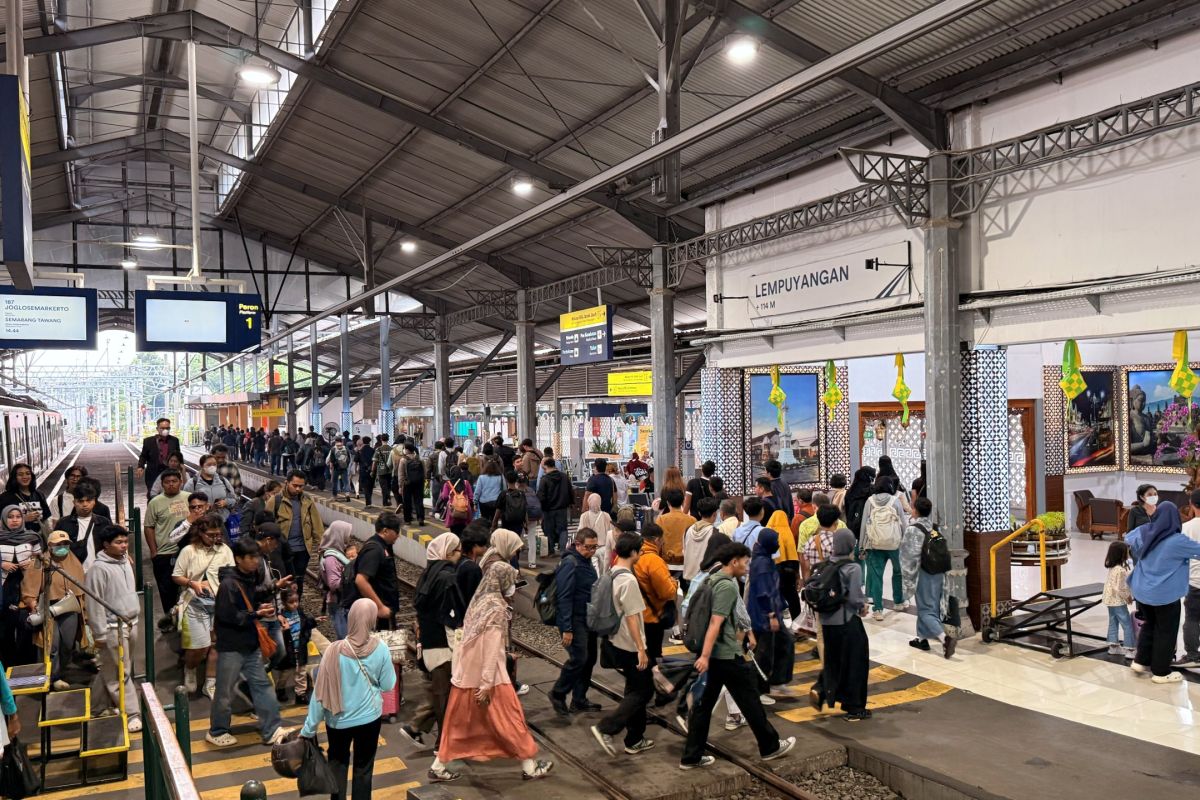
Ticket sales for the period 26 May–1 June 2026 reached 1,378,704 tickets by 10:00 WIB on 1 June 2026. After enjoying the extended Iduladha 1447 Hijriah holiday coinciding with Pancasila Day, citizens are preparing to return to routine. During their return journeys, trains remain a preferred choice for reliable travel times, comfort, and easy access to activity hubs across cities.
This extended holiday has brought an interesting mobility pattern. Unlike the mudik period where movement typically concentrates on specific days, this long weekend saw passenger journeys spread more evenly throughout the holiday period. Multiple cities experienced simultaneous movement, creating diverse travel stories interconnected via the railway network.
PT Kereta Api Indonesia (Persero) recorded ticket sales for the departure period 26 May to 1 June 2026 reaching 1,378,704 tickets by 10:00 WIB on Monday, 1 June 2026. This figure may still rise as sales continue. Over the six days of the long weekend (26–31 May 2026), KAI served 1,176,013 passengers across its operational regions in Java and Sumatra.
KAI’s Vice President of Corporate Communications, Anne Purba, said this year’s long weekend travel patterns reflect increasingly flexible public mobility. Trains are being used for multiple simultaneous needs, including tourism, family visits, religious activities, and business travel that continues during the holiday.
“We see the public is increasingly free to choose their travel times. Mobility is not concentrated on a single day but spread throughout the holiday period. This pattern shows trains being used for various simultaneous activities across many regions,” Anne said.
Daily occupancy during the 26 May–1 June 2026 long weekend:
• 26 May 2026: 215,311 passengers
• 27 May 2026: 155,653 passengers
• 28 May 2026: 176,866 passengers
• 29 May 2026: 192,957 passengers
• 30 May 2026: 215,506 passengers
• 31 May 2026: 219,720 passengers
• 1 June 2026: 202,691 passengers
The data shows sustained high travel demand throughout the holiday. Notably, passenger volumes did not spike sharply on any single day but remained consistently high across almost the entire long weekend period. This pattern reflects the public’s growing flexibility in choosing travel times according to their individual needs.
This also indicates concurrent economic, social, religious, and tourism activities across regions. Evenly distributed population movement creates space for growth in many cities simultaneously, whether as destinations or origins of travel.
This pattern is reflected in the top passenger routes during the long weekend. Notably, the top routes connect cities with diverse characteristics, including government centres, educational hubs, industrial zones, tourist destinations, and cultural centres that attract travellers from various regions.
Top 10 routes during the period:
Gambir–Yogyakarta route: 18,278 passengers
Yogyakarta–Gambir route: 15,003 passengers
Gambir–Semarang Tawang route: 11,734 passengers
Semarang Tawang–Gambir route: 11,711 passengers
Gambir–Bandung route: 11,212 passengers
Pasarsenen–Lempuyangan route: 10,331 passengers
Bandung–Gambir route: 10,108 passengers
Lempuyangan–Pasarsenen route: 9,684 passengers
Surabaya Gubeng–Yogyakarta route: 9,181 passengers
Yogyakarta–Surabaya Gubeng route: 9,096 passengers
The list highlights Yogyakarta’s strong appeal as a top travel destination during the extended holiday. The three largest route pairs directly connect to Yogyakarta from Jakarta and Surabaya, reflecting high public activity towards the city known as a centre for education, culture, tourism, and creative economy.
High travel volumes on the Jakarta-Semarang and Jakarta-Bandung routes also show that inter-city mobility remains a key driver of population movement. These corridors link regions with growing economic, educational, and business activity, sustaining high travel demand throughout the holiday.
The inclusion of the Surabaya Gubeng–Yogyakarta and Yogyakarta–Surabaya Gubeng routes in the top list further demonstrates strengthening inter-regional connectivity. Growing economic, educational, and social activities in various cities are fostering more dispersed and interconnected travel patterns across Indonesian regions.
Anne added that the high mobility during the long weekend reflects the public’s strong trust in train travel as part of their journeys.
“Extended holidays always bring different stories for each passenger. Some return with family memories, others resume work, education, or business as part of their lives. We are grateful to safely and comfortably deliver these journeys. For KAI, every passenger arriving safely at their destination is a vital part of the service success we build together,” Anne concluded.