
Tobacco farmers seek DPR Commission IV protection over nicotine content rules
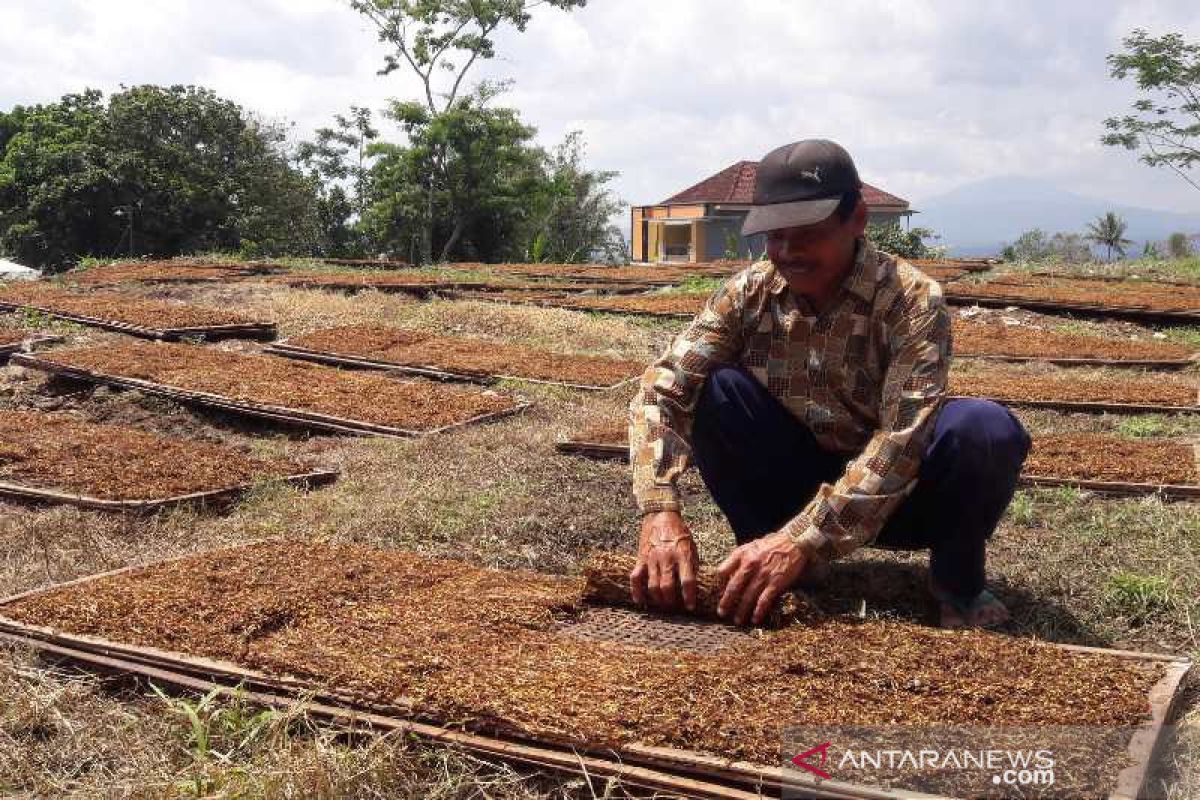
The Temanggung branch of the Indonesian Tobacco Farmers Association (APTI) has conveyed its aspirations and requested protection from House of Representatives Commission IV regarding the draft policy on nicotine and tar content limits, a derivative regulation of Government Regulation (PP) No. 28 of 2024. During a meeting with Commission IV, APTI Temanggung representative Soleh, alongside fellow tobacco farmers, expressed their concerns about the draft. “We are struggling and truly hope the state will be present,” Soleh said in Jakarta on Wednesday. He argued the government must provide tangible support to ensure the sustainability of farmers’ businesses. Soleh stressed the draft regulation would eliminate Temanggung tobacco varieties, such as Srintil, which naturally has a high nicotine content of around 8 mg. He therefore urged the government to formulate regulations that do not harm farmers and take real field conditions into account. “Please provide protection, empower tobacco farmers so we can make a living,” Soleh said. Of the total area, 8,925.7 hectares are dryland tobacco and 4,465.3 hectares are paddy field tobacco. The dominance of dryland tobacco reflects the cultivation characteristics of Temanggung tobacco, which has long developed in dryland and mountain slope areas. Responding to the farmers’ aspirations, Commission IV Deputy Speaker Panggah Susanto confirmed the commission would exercise its oversight function over government policy. He stated the commission would also coordinate the issue with relevant commissions, ministries, and agencies so that any resulting policy considers the balance between public health, farmer protection, the sustainability of the tobacco industry, and regional economies. “The tobacco industry also absorbs a large workforce, ranging from around 300,000 workers in the industrial sector, about 2.5 million tobacco farmers, to a total of around 6 million workers if the distribution sector and supporting businesses are included. Therefore, the state must view the position of the tobacco sector correctly and fairly,” Panggah said.