
Tobacco Ecosystem Under Threat: Plain Packaging Rules Could Wipe Out Millions of Jobs and State Revenue
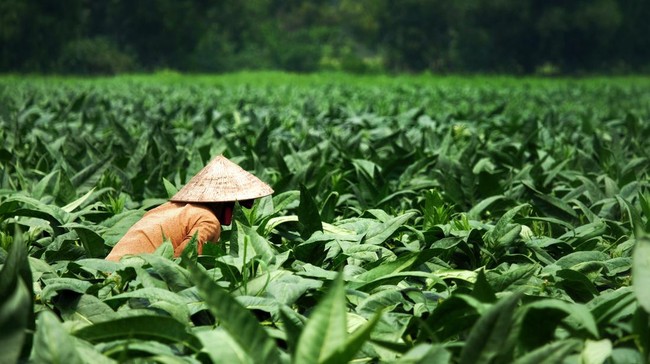
The Indonesian tobacco product ecosystem is facing a serious threat from the Ministry of Health’s plan to enforce standardised packaging regulations, a move critics say could erase brand identity, complicate oversight, and fuel the black market for illegal cigarettes. The policy, part of the implementation of Government Regulation No. 28 of 2024, has drawn sharp opposition from multiple stakeholders who argue it endangers the entire supply chain and the livelihoods of millions of workers, directly contradicting President Prabowo’s stated mission to create jobs and protect labour.
The labour-intensive tobacco industry ecosystem absorbs around six million workers, from farmers to retailers. Decky Haedar Ulum, Director of Institutional and Industrial Relations Dispute Prevention at the Ministry of Manpower, highlighted the crucial role of the hand-rolled kretek cigarette (SKT) sector, calling it an anchor for employment. ‘Amidst these challenging conditions, the absorption of the tobacco products industry is crucial for employment. SKT is an authentic Indonesian product that makes a huge contribution to job creation,’ he stated at a CNBC Indonesia forum.
Mukhamad Misbakhun, Chairman of House of Representatives Commission XI, stressed that the cigarette ecosystem is not solely a health issue. He urged policymakers to consider the welfare of tobacco farmers and factory workers, noting the industry’s massive contribution to state revenue. Customs and excise data shows the sector contributed Rp221.7 trillion in 2025, a figure approaching the entire gross regional domestic product of Bali province. Misbakhun warned that disrupting the industry could lead to massive state losses, citing Australia’s experience where plain packaging laws contributed to a surge in illegal cigarettes and annual state losses of up to AU$1.6 billion.
Nurhadi, a member of House Commission IX, argued that the regulation would act as a ‘red carpet’ for illegal cigarette producers, allowing their products to easily mimic legal ones. He noted that illegal, plain-packaged cigarettes are already rampant even without the new ministerial regulation. The proposed rules are an adoption of the Framework Convention on Tobacco Control, an international treaty that Indonesia has not ratified. The sector is also grappling with other proposed restrictions, including limits on tar and nicotine levels and a ban on additives, which industry voices say collectively threaten the survival of a strategic national industry.