
To Survive, Radio Must Immediately Enter the Digital Ecosystem
The radio industry in Indonesia is facing significant challenges amid massive changes in how the public consumes information. The explosion of internet users and the increasingly dominant use of smartphones mean radio can no longer rely solely on FM or AM frequencies. If it wants to survive and remain relevant, radio must transform into the digital platform.
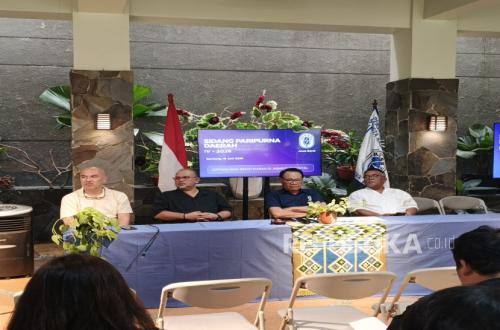
This was emphasised by the Chairman of the Indonesian National Private Radio Broadcasting Association (PRSSNI), Muhammad Rafiq, during the Regional Plenary Session (SPD) of PRSSNI West Java in Bandung. According to Rafiq, Indonesia has entered an era of internet user explosion. Out of a total population of approximately 270 million, the number of smartphones connected to the internet has even reached more than 350 million units.
“If we want to survive, if we want to remain relevant, people must be able to listen to the radio on their smartphones. People now watch television on smartphones, read newspapers on smartphones, so radio must also be present there,” Rafiq stated.
He explained that the shift in media consumption patterns leaves radio with few options other than adapting to technological developments. PRSSNI is therefore encouraging all its members to provide streaming services as a complement to terrestrial broadcasts.
Currently, there are around 600 PRSSNI members across Indonesia being urged to strengthen their digital presence. Rafiq noted that the future of the broadcasting industry is heavily determined by its ability to adapt to the digital ecosystem. “If you want to live, carry out digital transformation. Otherwise, radio will find it increasingly difficult to maintain its relevance amidst changing times,” he said.
This digital transformation is not just about providing streaming broadcasts, but also about building a measurable, integrated listener data ecosystem. Research and Development head of PRSSNI West Java, Suseno Brotokusumo, stated that radio must begin managing its listeners within a single integrated system based on a digital dashboard. He believes listener data is a crucial asset that can enhance radio’s value in the eyes of advertisers and the government.
“What we are actually selling is the listeners. If all radios are connected in one ecosystem, the data collected will be enormous and become a new strength for the radio industry,” Suseno said. He noted that one of radio’s weaknesses has been the slow pace of digital transformation, even though academic studies on the importance of digitalisation for the broadcasting industry have been around for a decade. “If this transformation had been carried out 10 years ago, radio’s position today would be much stronger. It could even compete more tightly with other media,” he added.
In West Java alone, out of 103 radios registered as PRSSNI members, 82 are still actively operating. However, only about 62 have been integrated into the digital system currently being developed. Consequently, PRSSNI West Java continues to push its members to accelerate adaptation to digital technology, social media, and the measurable utilisation of audience data.
Beyond internal challenges, the radio industry also faces regulatory issues. Rafiq noted that conventional broadcast media must now compete with global digital platforms that are not bound by rules as strict as those governing national radio and television. Despite this, he remains optimistic that radio has a strong future if it can transform and leverage its unique advantages.
PRSSNI West Java hopes the development of a digital radio ecosystem can evolve into a national programme. This step is believed to demonstrate to the government and advertisers that radio still possesses a strong, loyal listener base and remains relevant in the digital era. “Rather than constantly answering doubts about radio, it is better we show through data that radio listeners still exist, are still large, and that radio is still an effective medium for reaching the public, even in remote areas,” Suseno concluded.