
To Reduce Plastic Waste, Dow Inc Partners with Sadikun to Develop Recycled Resin
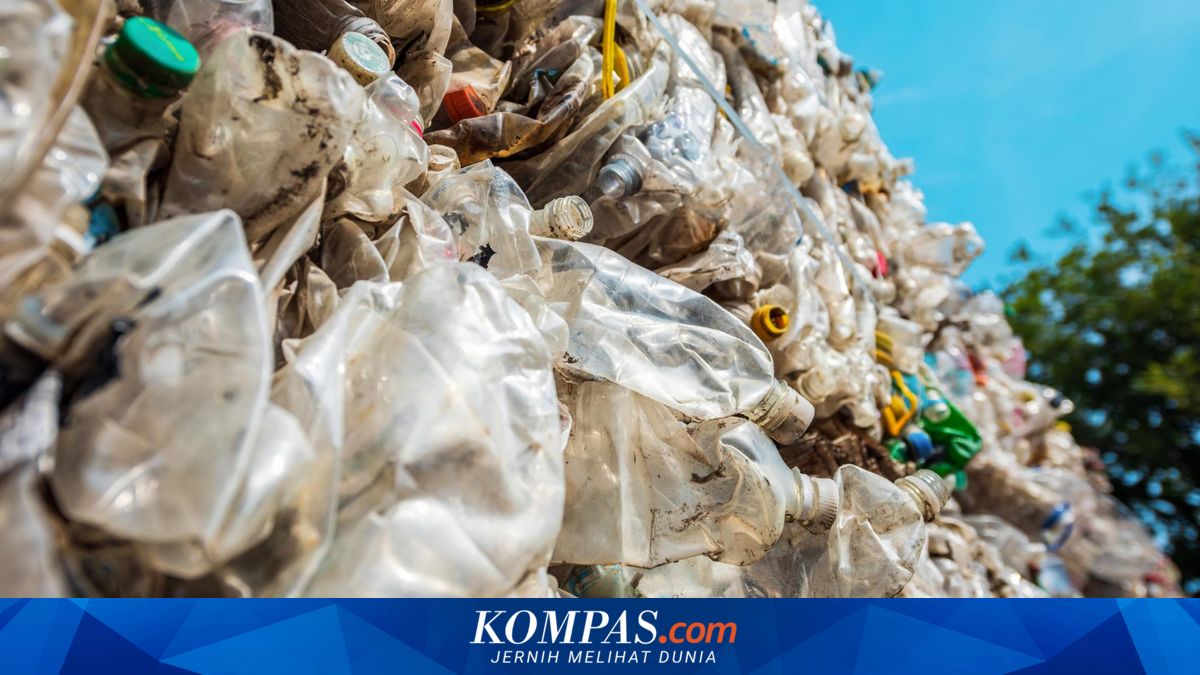
JAKARTA, KOMPAS.com - The materials science company, Dow Inc, has entered into a collaboration with PT Sadikun Niagamas Raya to reduce plastic waste in Indonesia. This agreement is formalised in a memorandum of understanding (MoU).
The collaboration is aimed at promoting the use of post-consumer recycled (PCR) REVOLOOP resin in rigid packaging.
Dow Packaging & Specialty Plastics Asia-Pacific Commercial Vice President Bambang Candra stated that this agreement is targeted at reducing the carbon footprint of products. This step also aligns with Indonesia’s target of achieving net-zero emissions by 2060.
“This collaboration not only impacts the industry but also has the potential to be directly felt by the community through the reduction of plastic waste, which has long been a major problem in Indonesia,” said Bambang in an official statement on Thursday (16/4/2026).
“The collaboration with Sadikun reflects our belief in the importance of value chain cooperation in realising sustainable practices,” said Bambang Candra.
“We continue to develop materials responsibly to help build a more circular ecosystem in Indonesia.”
The focus of this collaboration is on the rigid packaging sector, including lubricant bottles. This segment is growing rapidly in Southeast Asia.
Both companies will develop the use of blow moulding technology. This technology is used to expand the adoption of PCR materials.
This collaboration also involves various players in the industrial chain. Bottle manufacturers and lubricant brand owners are included. The goal is to accelerate technology adoption and increase market awareness.
“For the industry, the use of recycled resin provides a more sustainable raw material alternative without sacrificing quality. Meanwhile, for the community, this step is an important part in reducing environmental pollution due to plastic waste,” he explained.
“By integrating REVOLOOP recycled resin into production, we can deliver high-quality packaging that also supports the transition to a more circular portfolio,” he said.
“This is not just about business, but also a contribution to a more efficient future in resource use,” he emphasised.