
To Reduce Fossil Fuel Imports, MPR Deputy Chairman Urges Acceleration of Electrification
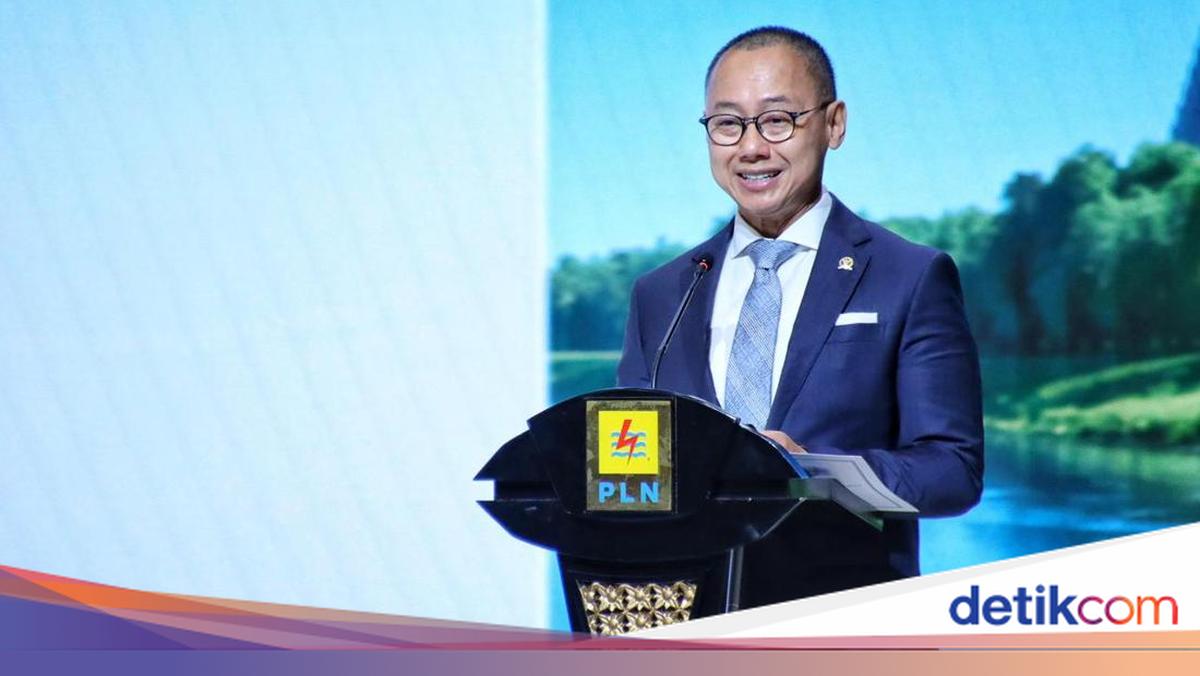
Deputy Chairman of the MPR RI, Eddy Soeparno, has underscored the importance of accelerating electrification as a strategic step to reduce Indonesia’s dependence on imported fossil fuels, which burden the state budget.
According to Eddy, the uncertain global geopolitical situation, particularly in the Middle East, serves as a warning regarding the high reliance on imports of fossil fuels such as crude oil, LPG, and gas, which risks domestic energy stability.
“The current global situation indicates that we must immediately reduce dependence on fossil fuels. Electrification is one of the most realistic solutions that can be implemented in a relatively short time,” said Eddy in his statement on Tuesday (31/3/2026).
Eddy added that increasing electrification must be carried out comprehensively, both in the industrial and household sectors.
One concrete step being promoted is the transition from LPG to electric stoves in households.
“So far, we have imported millions of tonnes of LPG every year for household needs. This makes us vulnerable to global price fluctuations and geopolitical pressures,” said Eddy.
“Household electrification, including the use of electric stoves, is a concrete solution to reduce that dependence,” he continued.
Eddy also emphasised that this step aligns with the government’s efforts to strengthen national energy resilience and utilise domestic advantages, particularly from the electricity sector, which is increasingly dominated by domestic energy sources, including new and renewable energy.
However, Eddy reminded that this policy must be implemented gradually and take into account public readiness.
Eddy stressed the importance of government support in the form of incentives, public education, and guarantees of reliable and affordable electricity infrastructure.
“The government needs to ensure that the public has access to affordable equipment, stable electricity, and sufficient understanding of the long-term benefits of using electric stoves,” said Eddy.
In addition, Eddy highlighted that the electricity sector plays a key role in supporting the energy transition towards the utilisation of new and renewable energy (EBT).
Eddy noted that to date, Indonesia still relies heavily on oil and gas, while alternative replacements are not yet fully available.
“The energy transition must still proceed, and the electricity sector is the most ready to be accelerated. This aligns with our efforts to achieve the Net Zero Emission (NZE) target by 2060 or even sooner,” he concluded.