
To Prevent Spending Deficit, This Country Chooses to Sell State-Owned Enterprise Shares
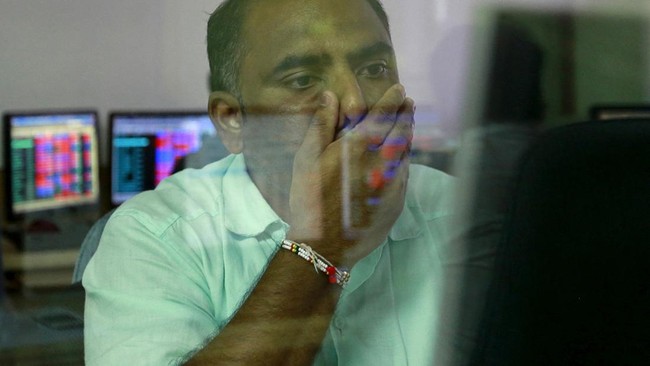
The Indian government has begun seeking alternative funding sources to support the economy amidst the persistent fiscal deficit experienced in recent years. One of the steps taken is to release portions of ownership in state-owned enterprises to the public.
According to reports, this move comes while India continues to record relatively faster economic growth compared to other major economies. However, this pace is facing pressure from high inflation and fiscal issues that could hinder government spending activities.
With the deficit widening, the Indian government is attempting to maintain economic growth momentum without further burdening the fiscal condition. Selling shares of state-owned companies to the public has become one of the options pursued to raise funds while supporting sustainable economic growth.
The Indian government has divested shares in 10 companies since the beginning of the year, despite current sluggish market conditions. Notable examples include Cochin Shipyard, Indian Railways Finance Corp, NHPC, and Coal India.
Most recently, the Indian government completed the sale of a 6.5% stake in the leading life insurance company, Life Insurance Corporation of India. Through this, they successfully raised approximately US$3.3 billion or Rp59.06 trillion.
The share sale was priced with a 10% discount to attract buyers in the Indian stock market. Consequently, it is not surprising that the purchase offers exceeded the target.
According to Indian market intelligence provider Prime Database, India’s divestment of state-owned enterprise shares has successfully raised more than US$6.5 billion or Rp116.33 trillion in total. This represents one of the highest fund-raising achievements in over 10 years.
According to experts, the current government is on the right track to achieve its annual fundraising target of 800 billion rupees or US$8.4 billion (Rp150.33 trillion) through various sales of state-owned enterprise shares.
These funds are considered vital for India, which is currently facing increasingly heavy macroeconomic challenges. India has met more than 65% of its annual divestment target.
“Utilising divestment proceeds is a very good strategy,” said Anubhuti Sahay, Head of Indian Economic Research at Standard Chartered Bank, as quoted by detikFinance on Saturday.
According to her, for many years India never met its divestment targets for state-owned companies because the government was always in a ‘comfortable’ fiscal situation. However, there is now a risk of declining revenue and a risk of increased expenditure due to higher subsidy burdens.
“At present, these share sales are like utilising ‘valuable family assets’ when they are needed,” she explained.