
To Prevent Overlapping Authority, BRAN Seeks Input from Four Professors
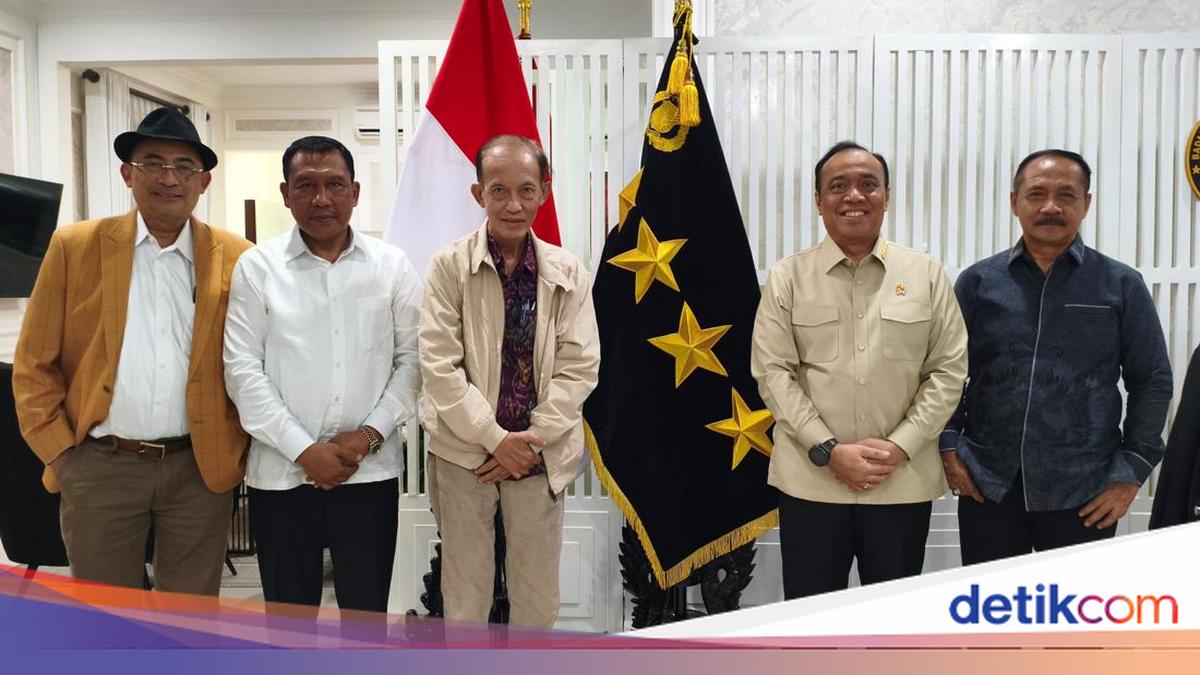
BRAN head Dedi Prasetyo met four academics: Professor Nurhasan Ismail of Gadjah Mada University (UGM), and Professors Imam Koeswahyono, M Sinal and I Nyoman Nurjaya of Brawijaya University (Unbraw). The meeting concerned the draft implementing regulations for the Law on Agrarian Reform Regulation (UU PRA), which BRAN will use as a basis for carrying out its duties and functions.
“Through this meeting and academic discussion, BRAN is gathering scholarly perspectives to strengthen the legal basis, clarify institutional authority and prepare measurable and equitable steps to implement agrarian reform,” Dedi said in a written statement on Friday (23 October 2026).
Dedi said agrarian issues were not limited to land administration, but also included unequal land ownership, legal certainty over rights, conflict resolution and the division of authority between institutions. He stressed that implementing the policy required both a robust legal foundation and clear mechanisms for execution.
“BRAN’s challenges do not end with drafting regulations. Implementing agrarian reform requires a clear division of authority with the relevant ministries and agencies, particularly in handling agrarian conflicts, managing data, arranging land assets and access, and following up on decisions,” Dedi said.
The four professors’ views
Dedi said Professor Nurhasan had highlighted the importance of setting maximum landholding limits, taking into account the type of land rights, regional conditions, productivity and use. Such rules should support fairness and equitable distribution in implementing agrarian reform.
“Professor Imam then emphasised the importance of certainty in procedures and clarity over the legal status of land. Distinguishing between the relinquishment and transfer of rights, and exercising caution when determining the status of land suspected of being abandoned, are important to ensure implementation does not create new legal problems,” Dedi said.
Dedi also noted Professor Sinal’s emphasis on the need for a strong philosophical and legal foundation, as well as legal wording that does not permit multiple interpretations. “There must also be clarity over BRAN’s authority and accountability mechanisms,” Dedi added.
Finally, Dedi highlighted Professor Nyoman’s views on the certainty of land’s legal status and the legal basis for implementing the UU PRA. Citing Professor Nyoman, Dedi said these aspects were important to ensure that regulations were drafted and policies implemented in accordance with the prevailing laws and regulations.
“These various perspectives show that refining agrarian reform policy requires a cross-disciplinary approach. The substance of land regulation must go hand in hand with legal certainty, clarity of authority and appropriate implementation mechanisms,” Dedi said.
“This clarity is needed to reduce the risk of overlapping authority and ensure that each issue is handled in accordance with the mandate of the relevant institution. Verification of recipients of land designated as agrarian reform objects (TORA), process transparency and oversight of land use should also form part of accountable governance,” Dedi added.
Dedi said academics’ input would help test the substance of the policy during the drafting stage. He hoped the experts’ views would be not only legally robust, but also practical and responsive to needs on the ground.
“This exchange of ideas is expected to help BRAN build governance that is well-directed, accountable and responsive to issues on the ground,” Dedi concluded.