
To Prevent Human Trafficking, Immigration Deploys PIMPASA to Migrant Worker Hubs
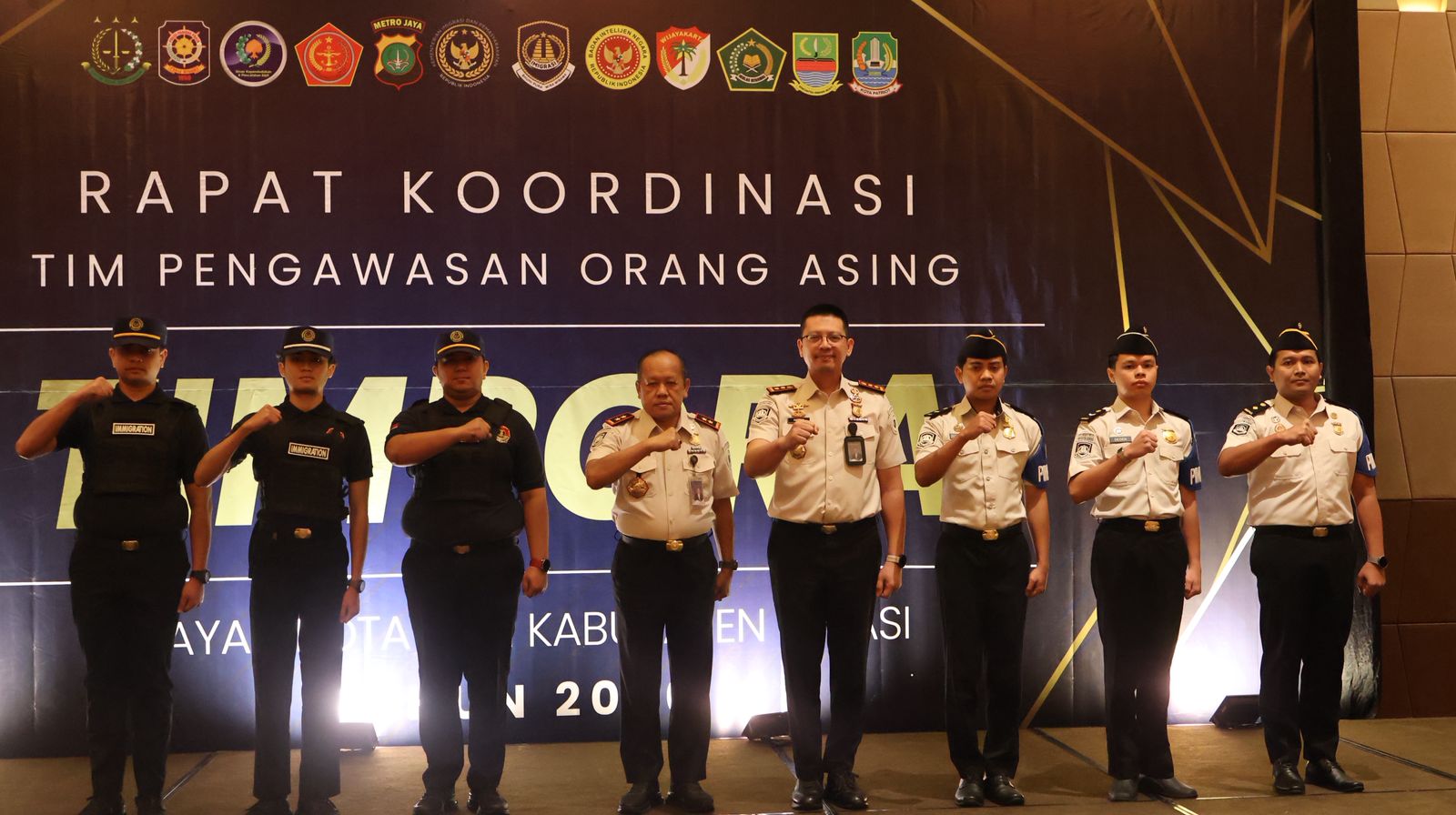
The West Java Regional Immigration Office is strengthening its multi-layered filtering strategy to prevent the practices of Human Trafficking (TPPO) and Human Smuggling (TPPM). In a statement today, the Head of the West Java Immigration Regional Office, Jaya Saputra, emphasised that citizen protection must begin at the source. Consequently, Immigration is deploying PIMPASA (Immigration Officers for Village Development) to visit villages and sub-districts that serve as hubs for Indonesian Migrant Workers (PMI), providing education and enlightenment regarding the risks of working abroad through non-procedural channels.
Jaya emphasised that the presence of PIMPASA is highly strategic because illegal recruiters are actively operating within communities. Therefore, education in PMI hubs serves as the first line of defence to break the chain of human trafficking from the start. The implementation of this strategy is already evident, notably at the Bekasi Class I Non-TPI Immigration Office. Similarly, the Head of the office, Anggi Wicaksono, stated that throughout 2025, approximately 100,000 passport applications were received by Bekasi Immigration. This data is analysed to map which villages and sub-districts are PMI hubs. From this mapping, priority areas are designated as PIMPASA development zones. Each sub-district has one PIMPASA officer actively engaged in community development and interaction, similar to the role of Babinsa in the military.
During the socialisation process, PIMPASA provides concrete understanding of the field risks that prospective migrant workers often do not know. For example, cases where employment contracts do not match reality upon arrival in the destination country—such as being hired as a domestic worker but being diverted to work as an online gambling operator or placed in unregulated locations. Such situations serve as entry points for human trafficking, which frequently ensnares citizens travelling through unofficial routes.
Anggi also warned that illegal recruiters often offer false promises, such as high salaries without requiring skills, rapid processes for obtaining passports, or jobs that can be started immediately. He emphasised that PIMPASA is present to clarify that official overseas employment has standards, procedures, and requirements that cannot be bypassed. “How can there be high-paying jobs without skills? This is what must be clarified to the community,” he asserted.
In addition to field education, another layer of prevention is implemented during the passport application interview process. Officers probe the purpose of travel using in-depth interview methods. It is not uncommon for applicants to initially claim they are travelling for tourism, only to reveal upon further questioning that they have been recruited to work without clear procedures. If strong indications are found that an individual is at risk of becoming a victim of human trafficking, Immigration reserves the right to delay or reject the passport application for the individual’s safety. “Rejection is not a punishment, but a form of protection,” Anggi stated.