
To Maintain Pilgrims' Fitness, Indonesia's Ministry of Hajj and Umrah Bans City Tours Before Hajj Peak
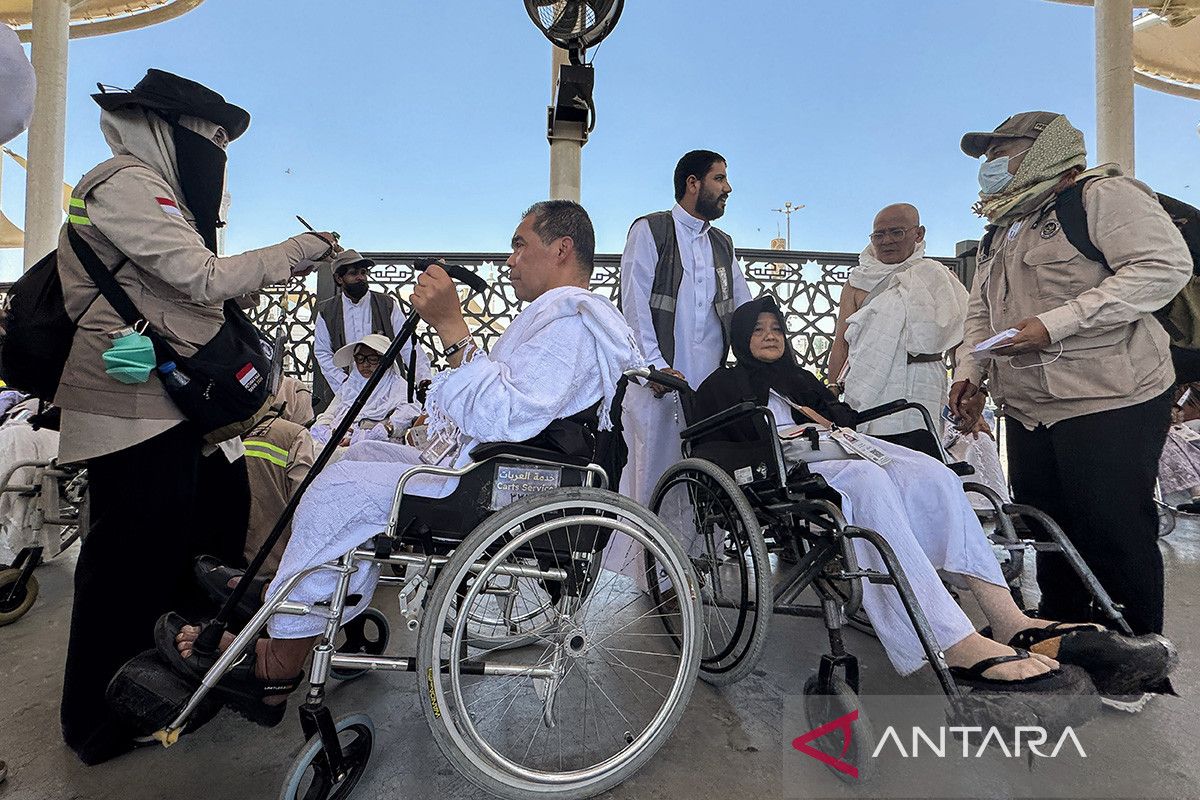
Jakarta (ANTARA) - Indonesia’s Ministry of Hajj and Umrah (Kemenhaj) has banned pilgrimages or city tours for Indonesian prospective hajj pilgrims before the peak phase of the hajj rituals in Arafah, Muzdalifah, and Mina (Armuzna) is completed.
Kemenhaj spokesperson Ichsan Marsha stated that this policy is a protective measure to ensure pilgrims remain healthy and prepared for the core hajj rituals. The Armuzna phase, in particular, requires optimal physical and mental condition.
“This ban is not intended to restrict pilgrims’ activities but to protect them from exhaustion and keep them focused on preparing for the Armuzna phase,” Ichsan Marsha said in a statement in Jakarta on Thursday.
Through a recent circular, Kemenhaj has requested that pilgrims and KBIHU (Hajj and Umrah Worship Guidance Groups) refrain from scheduling, facilitating, or organising pilgrimage tours outside the cities of Medina and Mecca until the entire Armuzna ritual sequence is finished.
“The government wants to ensure all pilgrims can perform the peak hajj rituals safely, healthily, and with devotion,” Ichsan added.
Additionally, all pilgrim movements must be reported and coordinated with official personnel, including PPIH Kloter, the pilgrim protection sector (Linjam), and relevant departments, to maintain order and safety.
As of Wednesday, 6 May 2026, hajj operations have recorded 267 kloters with 103,690 pilgrims and 1,064 personnel departed from Indonesia to the Holy Land.
Kemenhaj has reiterated a strict ban for individuals to depart for hajj without official hajj visas. The government urges the public not to be tempted by offers using non-hajj visas, including pilgrimage visas, tourist visas, umrah visas, or other schemes that do not comply with Saudi Arabian government regulations.
It also advises pilgrims to maintain their physical condition by regulating worship activities according to their abilities, increasing white water consumption, using protective gear such as umbrellas and hats, and immediately reporting any health issues to medical personnel.