
To Ease Deportations, Indonesian Police and PDRM Agree to Revoke Drug Lords' Passports
Bareskrim Polri and the Royal Malaysia Police (PDRM) have agreed to cooperate in order to facilitate the deportation process for perpetrators of narcotics crimes.
The cooperation was formalised at the 14th bilateral meeting between the Narcotics Crime Directorate of Bareskrim Polri and the Narcotic Crime Investigation Department (JSJN) of PDRM in Malaysia, held from 2 to 4 September 2026.
“Both parties discussed various strategic issues related to the handling of cross-border narcotics crimes and efforts to enhance bilateral cooperation,” said the Director of Narcotics Crime at Bareskrim Polri, Brigadier General Eko Hadi Santoso, in a written statement on Monday (7/9).
Eko explained that under the agreement, both parties agreed to accelerate action against fugitives (most-wanted persons) who have fled to Malaysia.
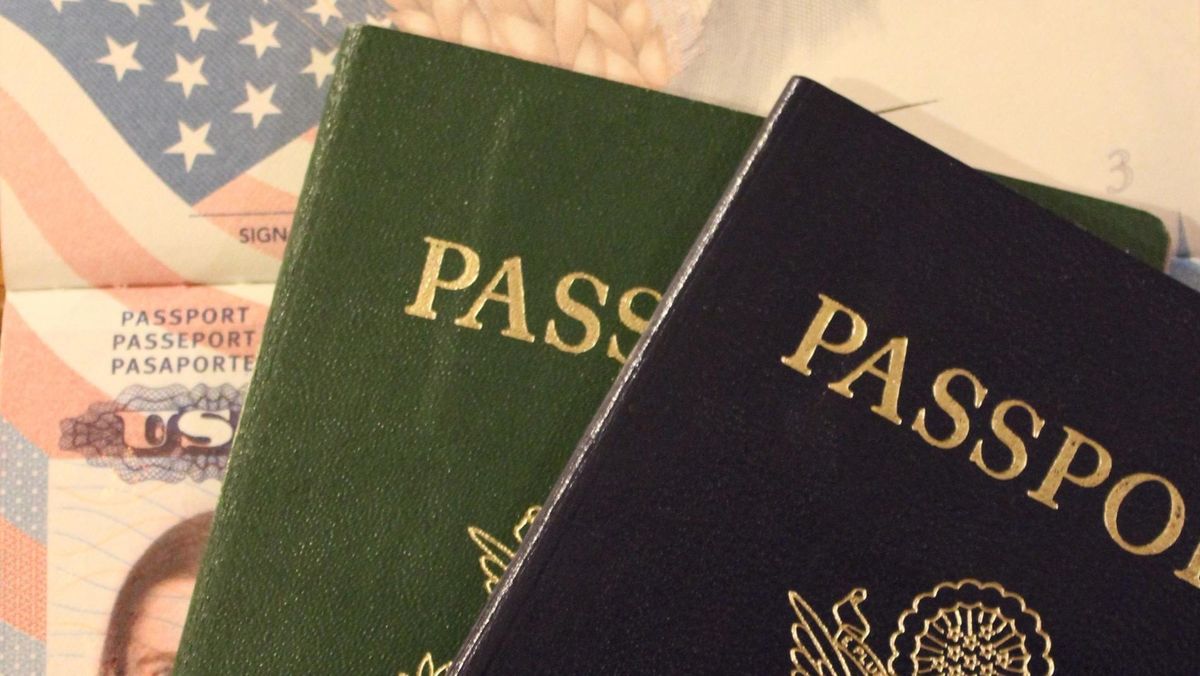
The alternative, he said, would be a forced repatriation process that does not have to depend on lengthy and bureaucratic extradition procedures. One method is the cancellation or revocation of passports by Immigration.
“This means the Indonesian citizen’s status becomes an illegal stay. With illegal status, the deportation or forced repatriation process to Indonesia can be carried out far more easily and quickly,” he said.
He went on to say that tackling international narcotics trafficking is prioritised in order to dismantle top-level networks and drug kingpins. Consequently, Bareskrim is pushing for stronger intelligence cooperation to track the movements of the intellectual actors behind syndicates, who frequently escape the long arm of the law.
Eko stressed the need to increase intelligence information sharing regarding the identities and movements of major drug lords or the masterminds of international narcotics syndicates, who to this day remain difficult to bring to justice.
With such intelligence cooperation, he said, it is hoped that the intellectual actors can be targeted, rather than merely the street-level couriers.
Finally, to accelerate legal proceedings against Malaysian citizens involved in cases in Indonesia, a direct police-to-police mechanism was agreed. In addition, joint surveillance will be tightened at vulnerable border points such as the Malacca Strait and the Kalimantan-Sabah and Sarawak regions.
“Coordination regarding Malaysian nationals facing legal problems in Indonesia will be carried out through the official police-to-police channel between the JSJN of PDRM and Bareskrim Polri, as it is faster and more effective,” he said.
Source: jawawa.id (https://jawawa.id/newsitem/to-ease-deportations-indonesian-police-and-pdrm-agree-to-revoke-drug-lords-passports-1788821490)
Originally published by CNN Indonesia (https://www.cnnindonesia.com/nasional/20260907134820-12-1400985/permudah-deportasi-polri-pdrm-sepakat-cabut-paspor-bandar-narkoba), translated from Indonesian