
To Be Implemented in Indonesia: Source of CNG Gas Cylinders
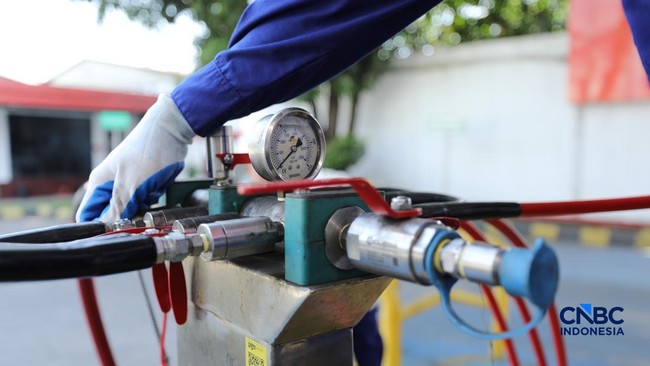
Jakarta, CNBC Indonesia - The Ministry of Energy and Mineral Resources (ESDM) is preparing the gas cylinder infrastructure for the implementation of Compressed Natural Gas (CNG) as an energy alternative to Liquefied Petroleum Gas (LPG) 3 kg cylinders. The government has decided to procure the equipment from abroad in the initial phase to ensure the availability of capable technology.
Director General of Oil and Gas Laode Sulaeman explained that Indonesia will refer to established countries in producing such gas infrastructure, as the technical specifications required for CNG cylinders are higher than those for conventional LPG cylinders.
“Yes, China. There are many countries that can supply it, but for now we are focusing on China for the initial stage,” he said at the Ministry of Energy and Mineral Resources office in Jakarta, quoted Tuesday (19 May 2026).
The choice to import cylinders from the People’s Republic of China is based on the readiness of its manufacturing sector to produce high-pressure cylinders. Laode assessed that domestic technological mastery is not yet at the scale needed to produce these special cylinders independently.
“This technology is high-end. At present, those capable of producing this technology are outside of Indonesia; but if the scale becomes massive, we can later shift it in-house,” he added.
Ultimately, the cylinders to be imported will be Type 4, which have fiber-based materials. Unlike iron or Type 1 cylinders, Type 4 technology offers a much lighter weight while still strong enough to withstand pressures of 200 to 250 bar.
“Type 4 is entirely fibre-based—very light and very strong, but also very expensive. The more advanced the technology, the better,” he explained on the podcast Bukan Abuleke Kementerian ESDM, quoted Tuesday (19 May 2026).
Officials target the first order or first batch for the demonstration project to be completed in the near term. The government requires large orders to ensure supply continuity before a technology transfer to domestic production takes place.
“Minimum order is around 100 thousand (cylinders). So if someone asks why it hasn’t been produced yet, indeed you must order 100,000 or more before we proceed,” he concluded.
(pgr/pgr)