
TNI Headquarters Responds to Tax Office Circular Involving Babinsa in Tax Affairs
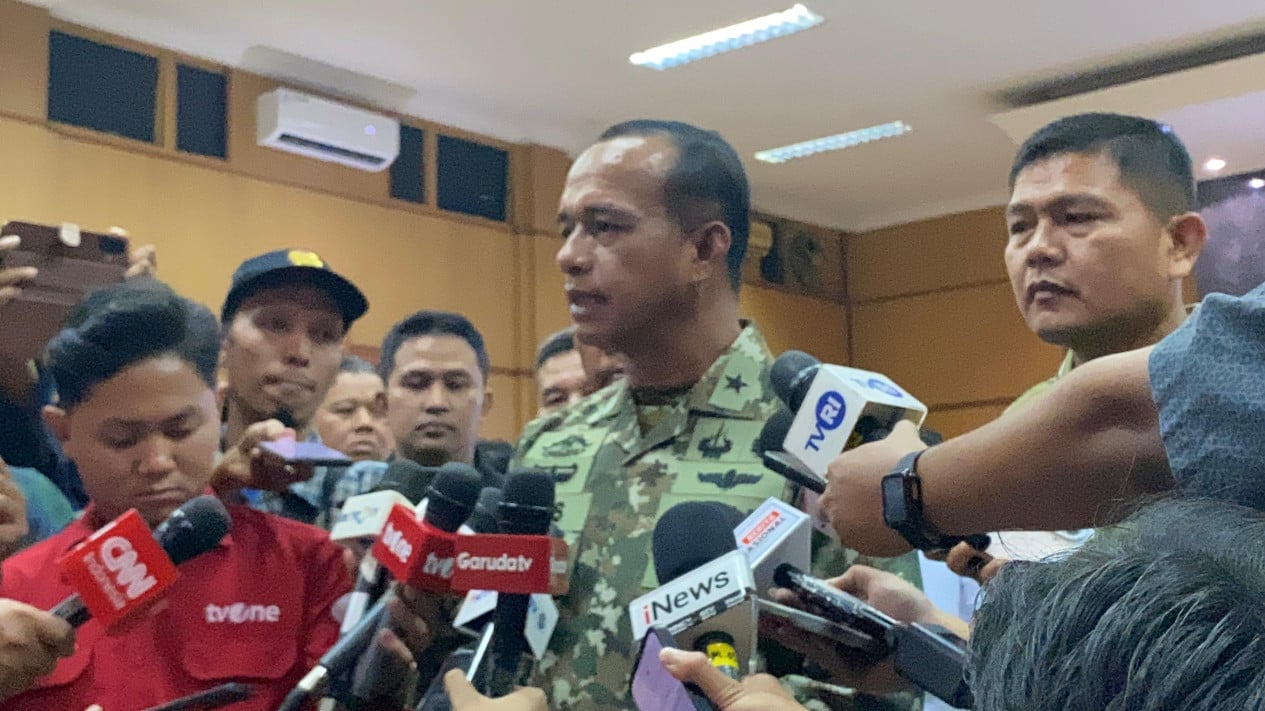
The Indonesian National Armed Forces (TNI) Headquarters has spoken out regarding the issuance of the Director General of Taxes Circular Number SE-8/PJ/2026 concerning Guidelines for Taxpayer Compliance Supervision, which includes the involvement of Village Supervisory Non-Commissioned Officers (Babinsa) and Community Police Officers (Bhabinkamtibmas) in territorial tax supervision. Head of the TNI Information Centre, Major General Muhammad Nas, emphasised that to date there have been no discussions between the TNI and the Ministry of Finance regarding the involvement of Babinsa in implementing the policy. “There has been no discourse or discussion in that direction (the involvement of Babinsa in tax affairs),” Nas said when confirmed on Monday, 20 July 2026. Nas explained that because there have been no discussions between the two institutions, there is no regulation that serves as the basis for involving Babinsa in tax supervision affairs. The Director General of Taxes Circular Number SE-8/PJ/2026 was issued on 15 July 2026. The regulation aims to optimise economic data collection while expanding the national tax database. In the guidelines, the Directorate General of Taxes divides taxpayer compliance supervision into three main pillars: supervision of registered taxpayers, unregistered taxpayers, and territorial supervision. The involvement of Babinsa and Bhabinkamtibmas is specifically included in the territorial supervision scheme. This activity is carried out by directly visiting the residences, places of business, domiciles, or freelance work locations of taxpayers and related parties to identify tax subjects and objects that have not yet been administered. “Supervision activities are carried out through various methods and approaches, such as visitation, canvassing, direct observation, and building information networks (through Babinsa/Bhabinkamtibmas),” reads the circular. In addition to involving Babinsa and Bhabinkamtibmas networks for field data collection, the Directorate General of Taxes also combines supervision with the use of information technology. The methods used include remote sensing technology, web scraping, utilisation of information from various media, and data analysis based on Business Intelligence and Compliance Risk Management. To support the implementation of this policy, each Pratama Tax Office is requested to compile a Supervision Zone Map and a Supervision Officer Zone Map.