
TNI Denies Reviving Military Dual Function, Says Civilian Role Not a Threat
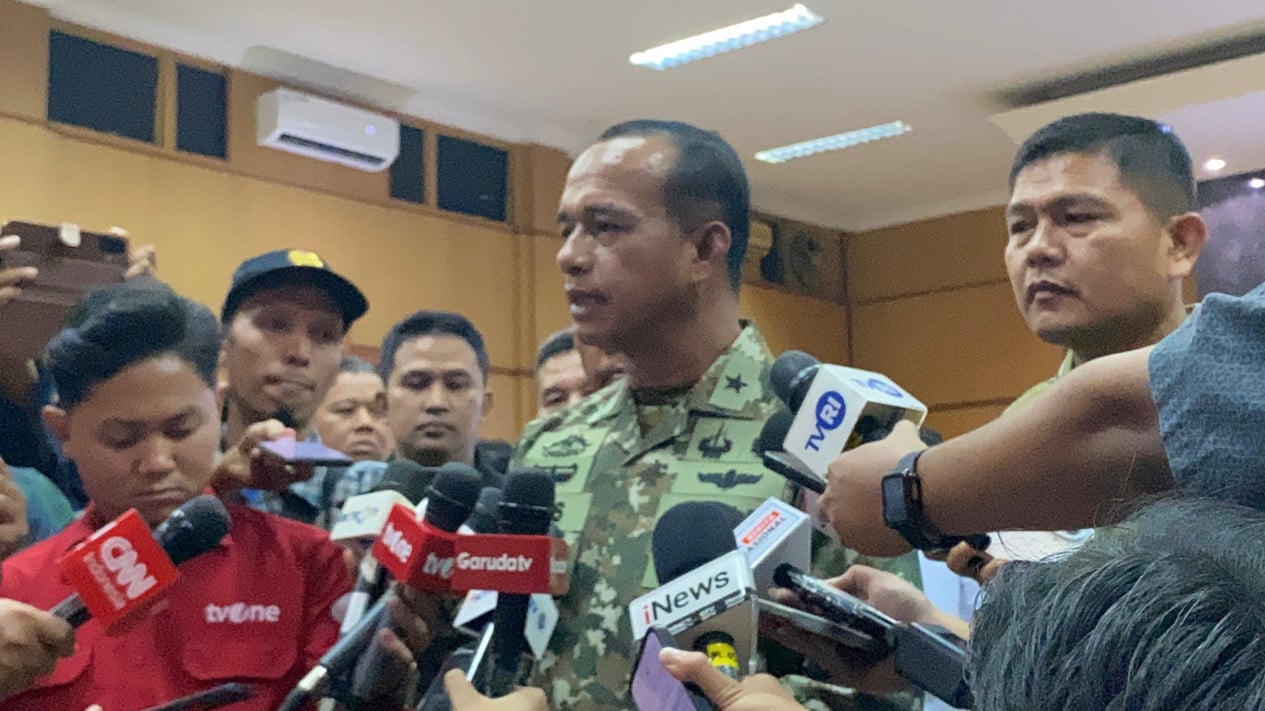
The head of the TNI Information Centre, Brigadier General Muhamad Nas, has stressed that the involvement of TNI soldiers in a number of civilian posts is not intended to threaten the public nor to revive the practice of military dual function. According to Nas, various assumptions linking the TNI’s presence in the civilian sector to a regression of democracy are not in line with the main purpose of the assignments. “The narrative that has been created mentions a military-flavoured democracy or the dual function of ABRI, the dual function of the TNI, and this is considered a threat. I myself have never felt threatening. We in the TNI have never threatened that,” said Muhamad Nas during a press conference at TNI Headquarters in Cilangkap, East Jakarta, on Tuesday 9 June 2026.
He explained that the TNI’s involvement in several civilian fields is carried out to support government programmes in providing services to the public. According to him, this contribution covers various sectors, ranging from security and law enforcement to economic development. Nas said the role of the TNI is not limited solely to the defence aspect, but also helps the government create conditions that support public welfare. As an example, he mentioned the TNI’s involvement in the Task Force for the Control of Forest Areas (Satgas PKH). In its implementation, the TNI is tasked with assisting law enforcement officers, specifically the Attorney General’s Office, in handling various violations related to forest area management and illegal mining activities. “The TNI assisted the prosecutor’s office, working together. What was the result? Returning state assets worth around Rp371 trillion to the state coffers,” said Nas.
In addition to supporting law enforcement, the TNI is also involved in regional development programmes through the Territorial Development Battalion (YTP). According to Nas, this unit plays a role in helping develop the agricultural sector and the local community’s economy. He explained that soldiers in the YTP are tasked with managing and utilising productive land so that the results can provide direct benefits to local residents. Furthermore, Nas also responded to public scrutiny regarding a number of TNI officers who hold technical positions in civilian institutions or agencies. According to him, these placements occur because the competencies of the officers concerned are deemed suitable for the requirements of the post. In addition to considering individual capabilities, the assignment is also based on applicable legal provisions. Therefore, Nas stressed that there is no violation of rules or the constitution in the process of placing TNI personnel in certain civilian positions.