
TNI Alert Status 1 Order: Described as Initial Force Consolidation and Prevention of Being Caught Unprepared
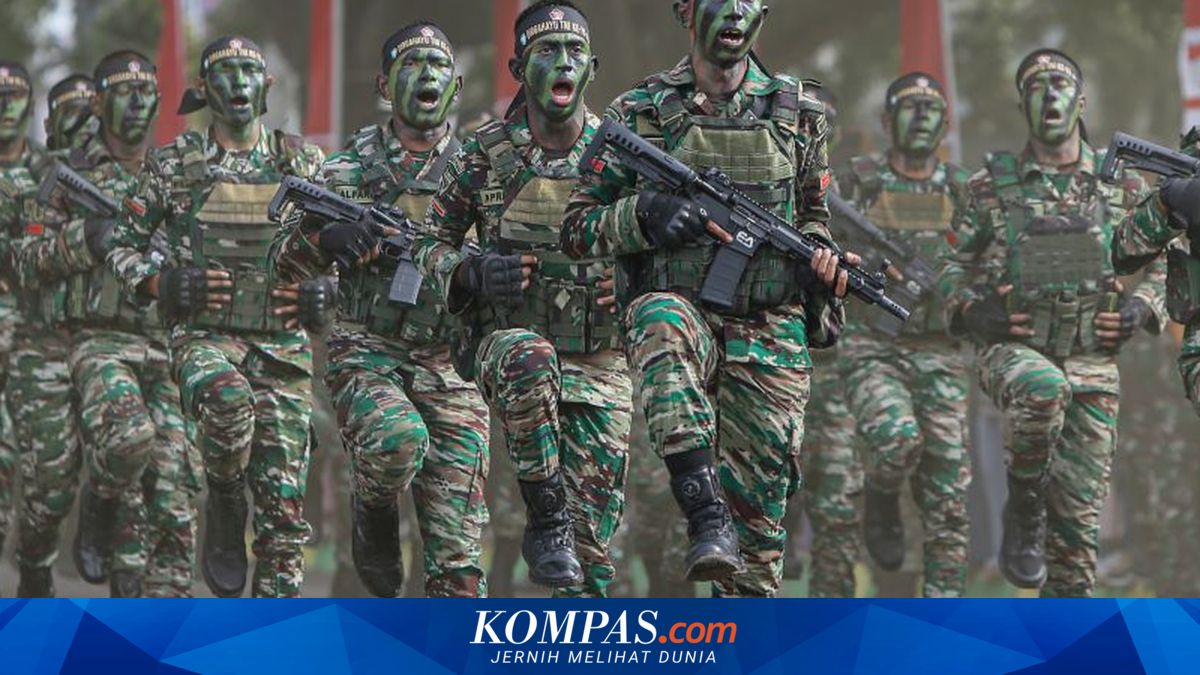
Jakarta — Anton Aliabbas, Head of the Center for Intermestic and Diplomatic Engagement (CIDE), has characterised the alert status 1 order issued by TNI Commander General Agus Subiyanto as an initial consolidation of military forces to monitor geopolitical dynamics in the Middle East.
“Although the national situation has not reached a critical state, consolidation remains necessary,” Anton told Kompas.com on Monday, 9 March 2026.
Anton views the alert status as a preventive measure to ensure the TNI does not fall behind in responding to evolving situations. This step is considered important because security dynamics develop rapidly and can have domestic consequences.
Such conditions can arise from supply chain disruptions and surging global oil prices. The impact could include rising fuel and commodity prices domestically, potentially affecting economic stability. Indonesia also experienced significant domestic turbulence in mid-2025.
“The alert status 1 order, accompanied by a special roll call in the Monas area, also intends to signal that the TNI is prepared to handle emergency situations,” he said.
“Hopefully, with increased preparedness, the public can remain calm and thoughtful in interpreting the escalation of Middle East conflicts. This is particularly important given concerns about potential panic buying of fuel domestically,” he added.
Two particularly vulnerable areas currently exist: the South China Sea and the Taiwan Strait. Additionally, US President Donald Trump frequently adopts unexpected policies or positions.
“Although we are not a direct party to the conflict, the possibility of experiencing collateral damage is open. Particularly concerning is that Indonesian waters contain four of the world’s 10 critical chokepoints,” he stressed.
Anton argued that experience with Middle East conflicts demonstrates that attacks can spread to neighbouring countries that host military facilities belonging to or used by the conflicting parties.