
TNBTS Closes Parts of Bromo Tourism Access Following Pengol Savanna Fire
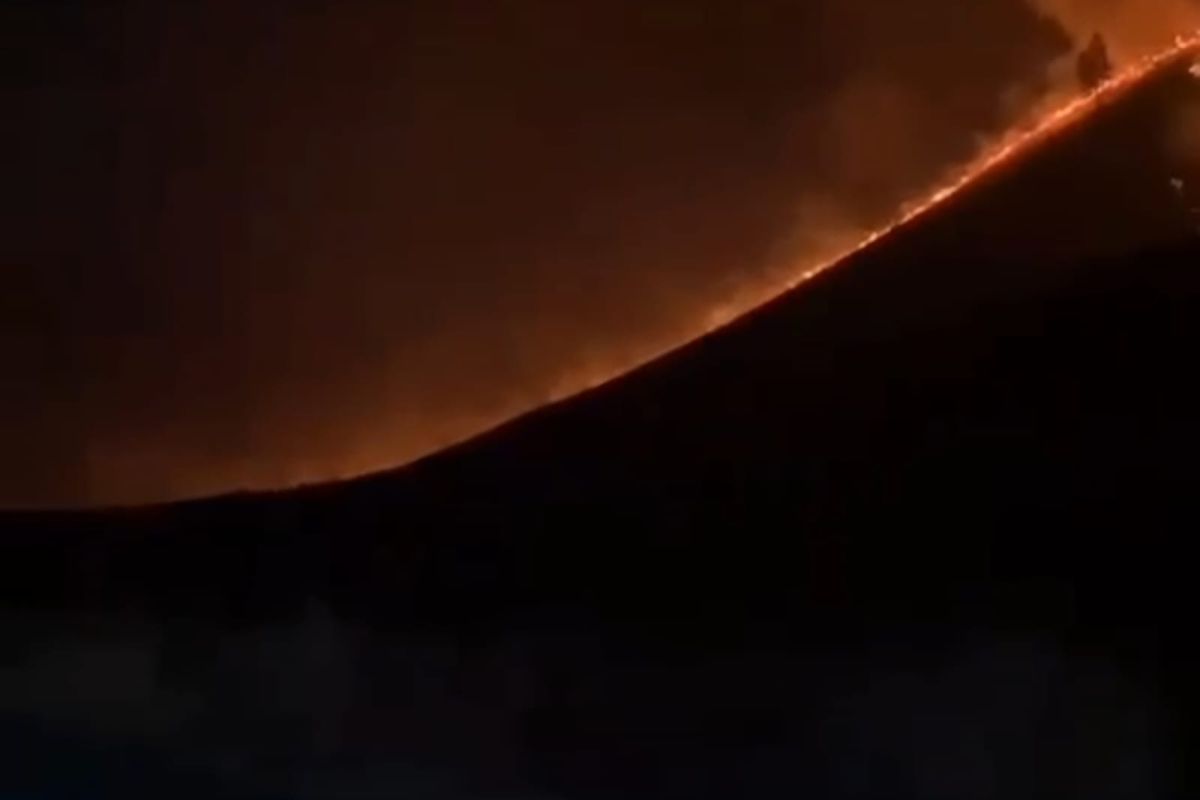
Malang, East Java (ANTARA) - The Bromo Tengger Semeru National Park (TNBTS) has implemented a partial closure of tourism access in the Mount Bromo area, East Java, following a fire in the Pengol Savanna region.
The Head of TNBTS, Rudijanta Tjahja Nugraha, stated in an official statement received in Malang on Friday, that the closure of Mount Bromo access via the Jemplang route in Malang Regency has been in effect since Thursday (10/9), coinciding with the initial outbreak of the fire in Pengol Savanna.
“To ensure the smooth progress of handling and firefighting efforts, and to prioritise visitor safety, tourism visits to Bromo through the Jemplang entrance are closed to the public,” said Rudi.
The partial closure of tourism access has been implemented for an indefinite period, as the TNBTS management must still coordinate with joint teams to assess the evolving security conditions at the affected site.
While visits are still permitted, tourists are only allowed to visit Mount Bromo up to the Sea of Sand, as the area in the Watangan Valley Savanna is also closed.
For information, the daily visitor quota for the Bromo Tengger Semeru National Park is 2,752 people.
“Access to the fire site is strictly reserved for officers, partners, and volunteers involved in the handling and firefighting activities as part of their official duties,” he added.
Authorities have urged all tourism service providers and visitors to Mount Bromo to adhere to the published information and avoid approaching the fire site.
“Tourism activities to Ranu Regulo can still proceed in accordance with applicable regulations. However, the public must increase their vigilance regarding potential fire risks,” he noted.
Source: jawawa.id (https://jawawa.id/newsitem/tnbts-closes-parts-of-bromo-tourism-access-following-pengol-savanna-fire-1789114322)
Originally published by Antara (Indonesian) (https://www.antaranews.com/berita/5736335/tnbts-tutup-sebagian-akses-wisata-bromo-pascakebakaran-sabana-pengol), translated from Indonesian