
Tito Urges Regional Heads to Halt New Non-Permanent Staff Recruitment to Avoid Budgetary Burden
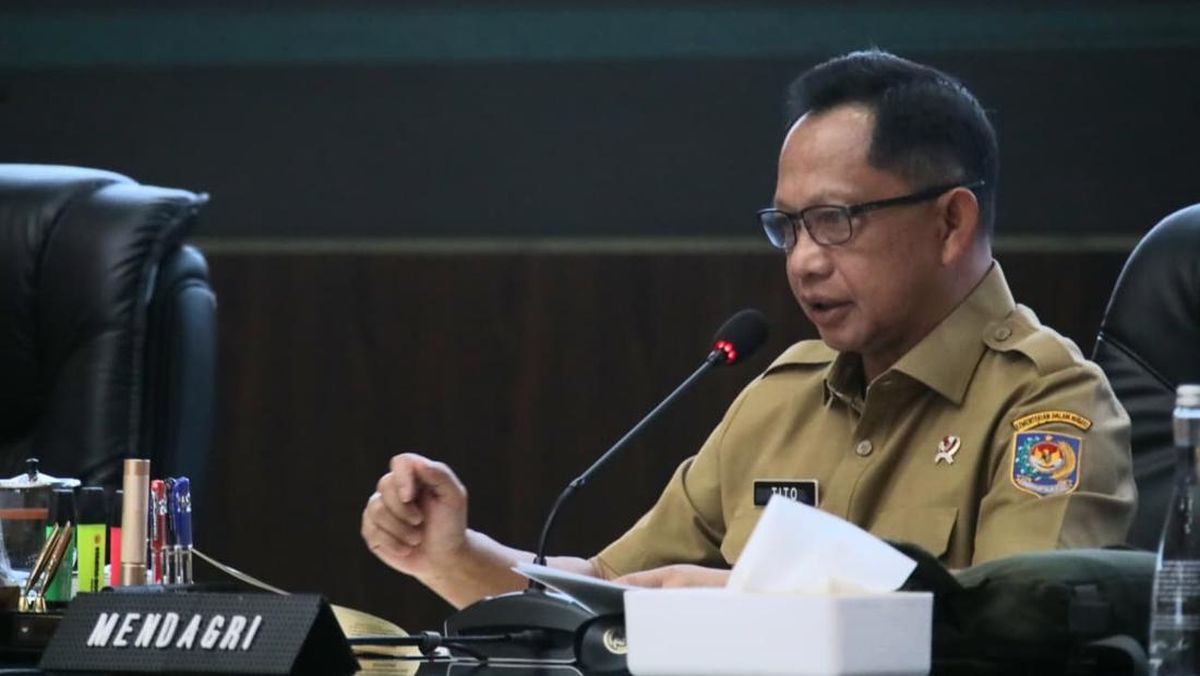
The Minister of Home Affairs, Tito Karnavian, has requested all regional heads to cease the recruitment of new non-permanent staff (honorer) to avoid placing an undue burden on the Regional Revenue and Expenditure Budget (APBD). Tito explained that currently, only 67 regions have a personnel expenditure portion of below 30 per cent of their total APBD, comprising 17 provinces, 4、8 regencies, and two cities.
“This means that most are already above 30 per cent,” Tito stated during a working meeting with Commission II of the Indonesian House of Representatives (DPR RI) at the Parliament Complex in Senayan, Jakarta, on Monday (8/6).
He emphasised that local governments must take steps to ensure that the proportion of personnel expenditure does not increase. One possible measure is to reduce staff numbers or halt the addition of new employees, particularly non-permanent staff. “The first option is to reduce staff or hold recruitment. This means no new recruitment, especially for non-permanent staff. A moratorium on honorer is already in place. I am requesting all regional heads to be firm: there must be no new non-permanent staff,” said Tito.
Tito noted that while the need for labour in specific sectors, such as teachers and healthcare workers, remains beneficial to the public, he raised concerns regarding the high number of administrative non-permanent staff who are often incompetent or lack capability. He suggested that many are often appointees from previous officials or campaign teams who lack productivity, thereby becoming a financial drain. He added that the accumulation of such staff over time leads to demands for them to be converted into Government Employees with Work Agreements (PPPK), which subsequently increases the APBD burden.
“Ultimately, it becomes a burden that must be funded by the APBD. For regional heads, please do not add any more non-permanent staff, as it will become a burden—both in terms of personnel costs and a burden for the next regional leader,” he concluded.