
Tito Urges Local Governments to Strengthen Communications Offices’ Role in Public Policy
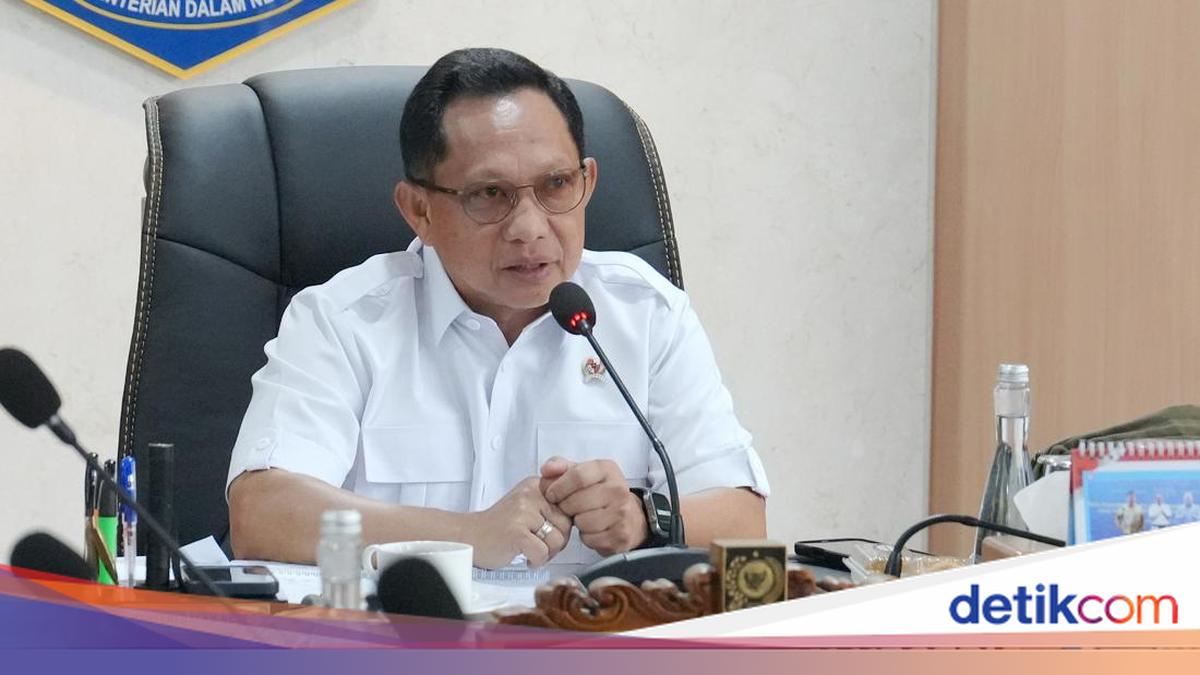
Home Affairs Minister Muhammad Tito Karnavian has urged local governments to strengthen the role of their Communications and Informatics Offices (Diskominfo) as drivers of strategic communication, in order to improve the effectiveness of public policy. This is important to ensure the public properly understands the various policies implemented by the government.
Tito said that, in a democracy, public support and legitimacy are important factors in the continuity of government. The government therefore needs to recognise the media’s role in shaping public perceptions of its programmes and policies.
“Public perceptions, whether to express support or not, are very strongly influenced by the role of the media,” he said in a written statement on Wednesday (14 October 2026).
He made the remarks at a coordination meeting on setting the agenda for the second anniversary of President Prabowo Subianto and Vice-President Gibran Rakabuming Raka’s administration, held in a hybrid format.
Tito said the rapid flow of information in the digital era also posed the challenge of a “firehose of falsehood”: the high-volume spread of false information can overwhelm factual information that is disseminated less intensively. This could lead people to believe misinformation rather than the facts.
For this reason, positive government programmes must be communicated effectively to attract public attention. In this effort, local Diskominfo offices are important partners for the central government in aligning the messaging.
“In local government, the Communications and Informatics Office is on the front line and is one of our important partners. This is something our colleagues in Diskominfo need to understand fully. We hope the messaging from these offices can be unified,” he said.
Tito also stressed the importance of systematic media management, through both conventional media and social media. He encouraged stronger coordination between provincial and regency/city Diskominfo offices and the Government Communications Agency (Bakom RI), so that central government information could be reinforced by coverage of programmes and achievements in local areas.
“I ask our colleagues in Diskominfo to provide support and establish channels with Bakom. We will support Bakom through the Home Affairs Ministry’s Information Centre to ensure Diskominfo works in parallel with Bakom’s news coverage,” he said.
Tito further called on local governments to give greater priority to communications and informatics. As this is classified as a mandatory non-basic service, Diskominfo may not be a priority in some regions. Yet stronger public communications are needed to build public support for government programmes at both central and local levels.
“We must strengthen public relations. That is why its budget, staffing, equipment and career pathways need attention and improvement, and must be made a priority,” he added.
Alongside adequate funding, the Home Affairs Minister emphasised the need for clear budget planning and for Diskominfo heads to be appointed who have relevant understanding and experience in communications and informatics. These steps, he said, are important to ensure public communications are managed effectively and meet the government’s needs.
“In this way, the people in charge will truly understand the work involved in communications and information,” he concluded.
Bakom RI has adopted the theme “Two Years of Concrete Action” to mark the second anniversary of President Prabowo Subianto and Vice-President Gibran Rakabuming Raka’s administration. The theme will underpin communication of the government’s programmes and achievements to the public.
The event was also attended by Bakom RI head Syahganda Nainggolan and representatives of Diskominfo heads from across Indonesia, at provincial and regency/city levels.